


A growing number of extreme weather events and natural disasters have pushed insurance markets to the brink, potentially impacting millions of homeowners across the United States.
What's happening?
Politico Pro reported on an insurance crisis that has impacted several states, most notably California.
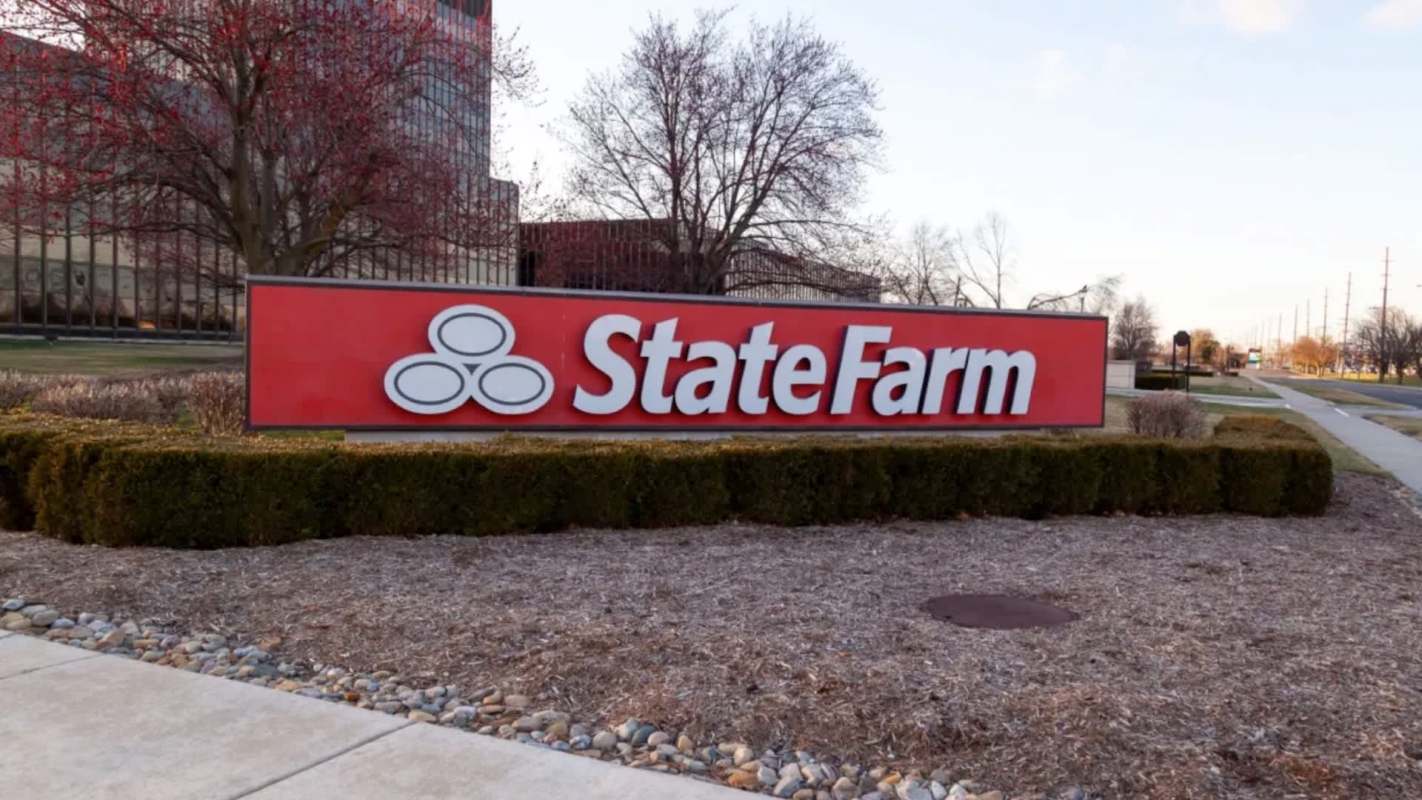
An increased risk of wildfires and other severe weather events has caused some private insurance companies to raise their rates to levels that are unsustainable for many people, or to leave states completely. In 2023, State Farm announced it would no longer offer new homeowner's insurance policies in California because of the increased risk of fire and other disasters.
To counter this, California created a state-chartered insurance plan called the FAIR Plan, which uses policy premiums to pay out claims when needed.
The number of policies under the FAIR Plan, however, has nearly doubled, and its total liability is nearly $700 billion, which has many experts questioning if the plan will soon run out of money, forcing insurance companies and policyholders to pay out claims.
For example, January's deadly Southern California wildfires created so many insurance claims that the state assessed insurers and policyholders $1 billion.
TCD Picks » Quince Spotlight
💡These best-sellers from Quince deliver affordable, sustainable luxury for all




Rob Moore, director of climate adaptation with the Natural Resources Defense Council, told Politico Pro that policymakers "have a huge challenge ahead of them. And it's a climate resilience and climate risk challenge they're facing."
Why is this concerning?
That risk has only grown because of human-caused pollution.
As we burn dirty fuels, we release massive amounts of heat-trapping pollution into the atmosphere. That pollution has caused global temperatures to increase to record-breaking levels, with the last decade seeing the 10 warmest years in recorded history.
Those temperature increases cause more frequent and severe weather events, such as hurricanes, floods, and wildfires. The connection is so strong that one expert likened increasing global temperatures to "steroids for weather."
|
Do you think you pay too much for car insurance?
Click your choice to see results and speak your mind. |
 Definitely 😡
 And this increase in extreme weather has caused many insurance companies to rethink their policies in certain locations.
What's being done to fix this?
California isn't alone in this. Several other states, including Florida, Louisiana, and Texas, have also created state-run insurance plans to help stabilize markets and provide necessary relief to their residents.
Florida, in particular, could provide a glimpse into the future of insurance. Its state-chartered plan had 1.4 million policies as recently as 2023, but legislative changes have led more homeowners to obtain private insurance, and reduced the number of state-chartered policies to 570,000.
"States have to balance how much do we want risk to be reflected in prices, versus how much do we want to really take care of people as they go through this tough financial transition," University of Colorado law professor Michael Pappas told Politico Pro. "States are still figuring out how to walk that line."

Join our free newsletter for good news and useful tips, and don't miss this cool list of easy ways to help yourself while helping the planet.







