


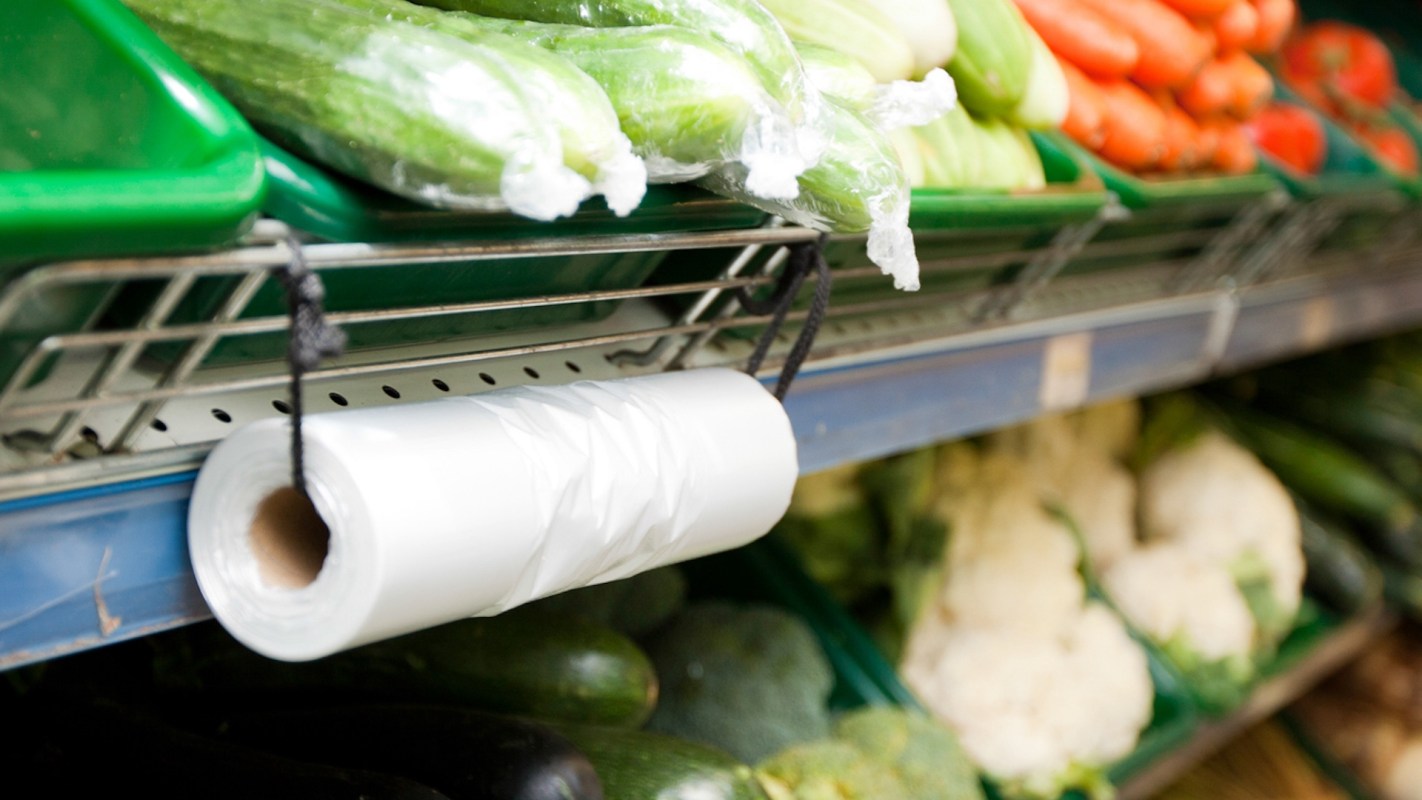
A city in Michigan has unanimously approved a measure that would support single-use plastic bans.
The Detroit City Council has unanimously approved a resolution that would seek to repeal Michigan Public Act No. 389, a bill passed in 2016 that preemptively prohibited local governments from regulating plastic bags and other single-use containers, as reported by the Michigan Environmental Council.
This isn't the first time that lawmakers have approved a similar resolution involving PA 389. In 2023, an effort was launched by State Representative Felicia Brabec to reverse the legislation. Opponents noted that plastic containers were an essential aspect to the state's restaurant industry, which resulted in the bid failing.
However, the Detroit City Council said in a press release at the time that it hoped to "restore the authority" back to local governments within the state. The move would allow cities to create more effective waste management strategies and potentially encourage investment in sustainable packaging and circular economies.
Councilmember Scott Benson, chairman of the city's Green Task Force and driving force behind the initial push to repeal PA 389, explained the impact that plastic has on the state.
"Single-use plastics, such as bags or bottles, are one of the biggest contributors of pollution not only in Michigan but in our country. More than 90 percent of plastics end up in landfills, our waterways, and in incinerators," Benson said.
TCD Picks » Quince Spotlight
💡These best-sellers from Quince deliver affordable, sustainable luxury for all




In a 2016 study, researchers from the Rochester Institute of Technology determined that around 22 million pounds of plastic particles find their way into the Great Lakes every year. As home to a large portion of the world's freshwater, the Great Lakes provide drinking water and food sources to millions of people in both the U.S. and Canada.
"By repealing the ban on the ability to ban these products, it will give local communities the opportunity to impose bans if they so choose. This is a local control measure that I support, and I encourage the state Legislature to act upon it," added Benson. "Our environment and our cities deserve better."
While some businesses express concerns about how phasing out plastic can impact their bottom lines, alternatives to plastic products have continued to develop over the years, becoming a more viable option. Some jurisdictions that enact bans offer added support or stretched timelines to ease transitions.
|
Should states be allowed to ban plastic items from businesses? Click your choice to see results and speak your mind. |
 Definitely 👍
 Not only can plastic pollution damage our environment by overtaking delicate ecosystems, but it can also contribute to increased carbon emissions from its production and disposal.
Plastics can contaminate our soil, air, and water, eventually breaking down into microplastics that can be absorbed by organisms throughout the food chain. This can ultimately impact human health, resulting in serious health issues.
Samantha Pickering, the Michigan Environmental Council's public and environmental health policy manager, expressed similar sentiments to Benson in a press release announcing the Detroit City Council's latest vote.
"Detroit City Councilmembers sent a clear message to state legislators tonight: Give us back our local control so we can improve the health of our communities," she said. "Local leaders do not make statements like this lightly. They know how prevalent and harmful single-use plastics can be, and they know residents and businesses alike can and are ready to shift away from them."

Join our free newsletter for good news and useful tips, and don't miss this cool list of easy ways to help yourself while helping the planet.






