


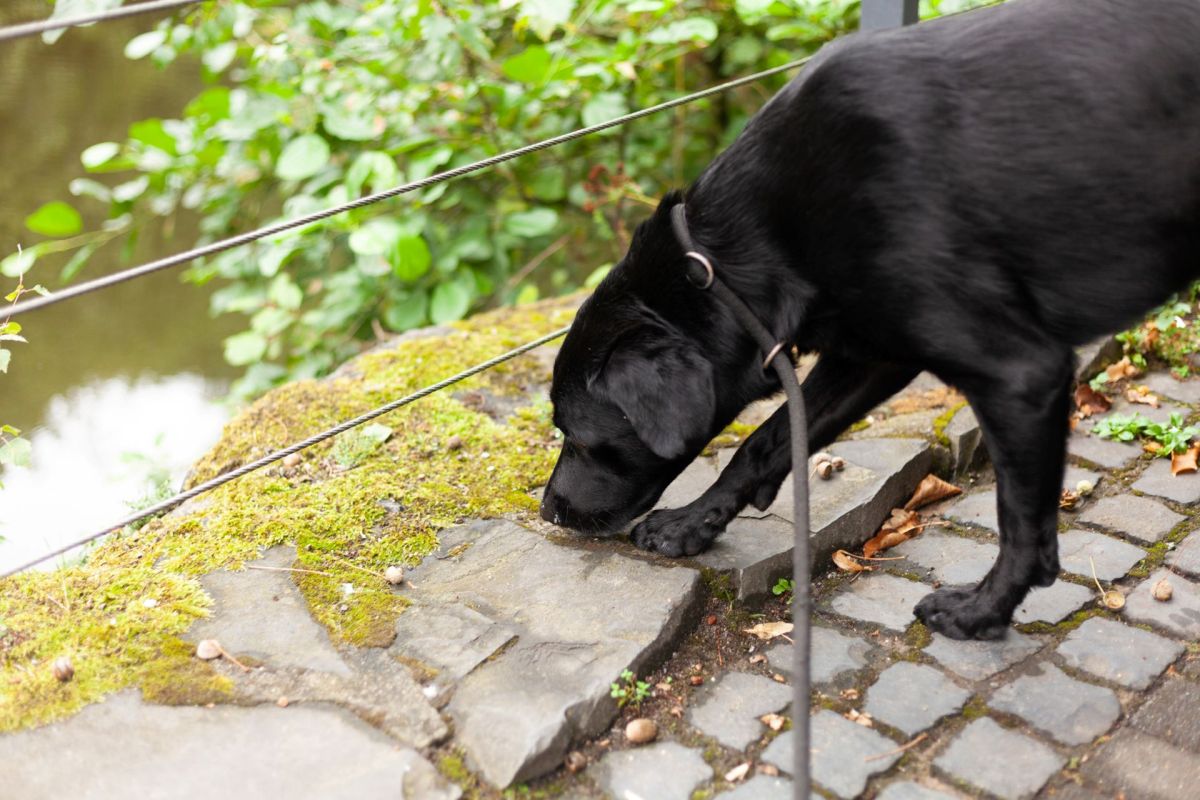
Eastern Tennessee has its newest hero on the prowl, sniffing out a troublesome invasive species that recently took up residence in the area.
Winnie the black Labrador retriever has joined forces with inspectors from the Tennessee Department of Agriculture to track the spotted lanternfly, according to Knox News. Armed with her nose and training from the USDA National Detector Dog Training Center in Georgia, the pup can identify the species and help rein in its population growth.
Spotted lanternflies were first discovered in the United States back in 2014, but their first sighting in the Knox County area was in 2023. A resident flagged the bug to authorities, who found several more congregating on a tree of heaven — a plant known to attract them.
The pests are dangerous to local ecosystems because they feed on the sap of over 70 plant species — namely grape and fruit trees. Not only can they kill off native plants through their excessive eating habits, but they also leave behind a sticky excrement called "honeydew" that can promote the growth of a plant-killing mold.
As researchers have hunted down the spotted lanternfly, they've been able to find methods of controlling their rapid population growth. Thankfully, more research has discovered that natural predators of the bug already exist in the ecosystems it has invaded, namely mantises and soldier bugs.
For more active intervention, though, tools like Winnie's sniffing skills come into play. She works with Tennessee Department of Agriculture plant inspector Mary Glover to inspect local nurseries and greenhouses, and they report back on possible invasive population growth.
TCD Picks » Quince Spotlight
💡These best-sellers from Quince deliver affordable, sustainable luxury for all




Winnie tracks spotted lanternflies of all stages, but she is particularly useful at tracking down a tough-to-spot egg mass, which strongly contributes to the bug's ability to reproduce uncontrollably.
"It looks like a piece of mud," Glover said, per Knox News, which is why Winnie's skills are crucial to decipher where to look and what samples to test.
"Any time you're looking for an invasive insect and you can find it and hopefully mitigate the damage, that's a good thing," Glover added.
|
Do you think America does a good job of protecting its natural beauty? Click your choice to see results and speak your mind. |
 Definitely 👍
Join our free newsletter for good news and useful tips, and don't miss this cool list of easy ways to help yourself while helping the planet.







