


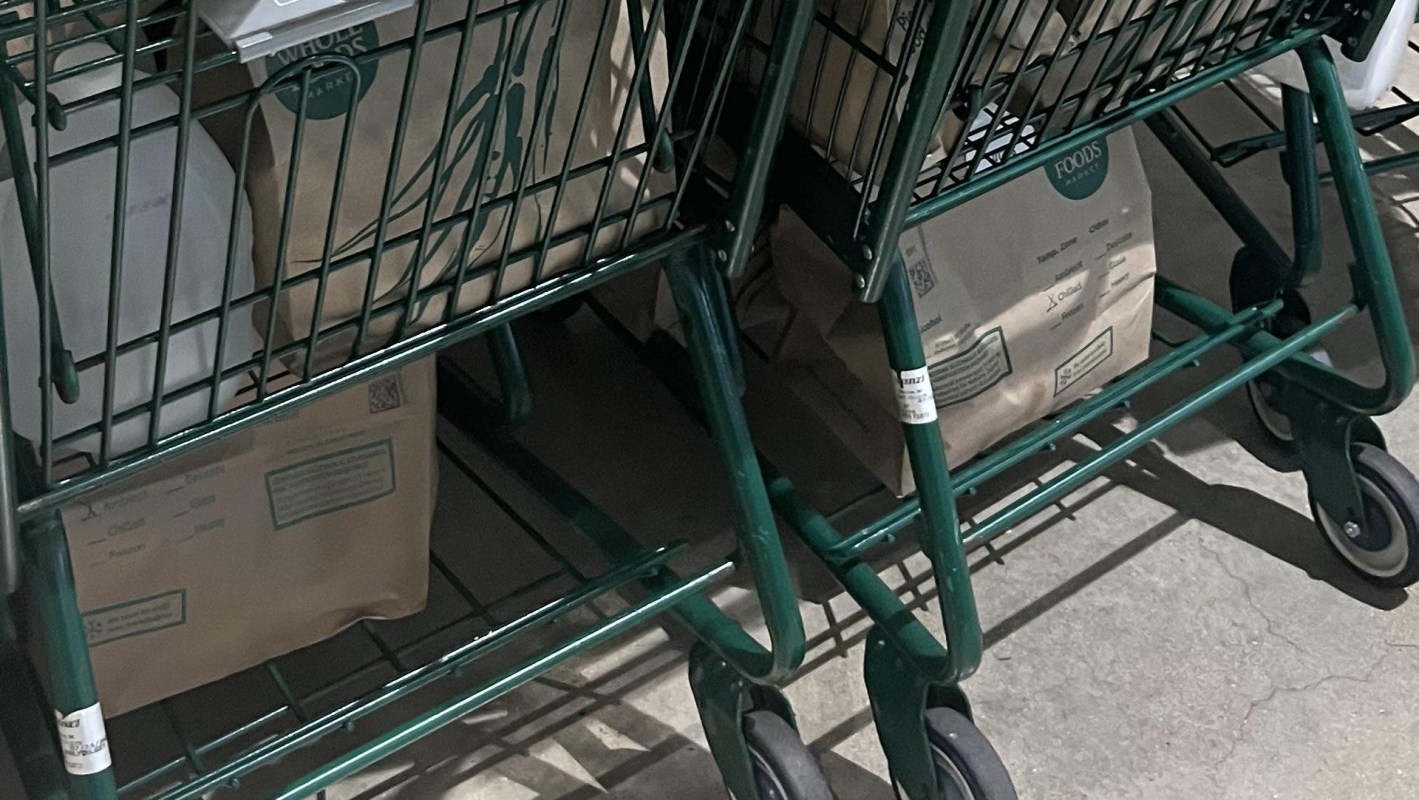
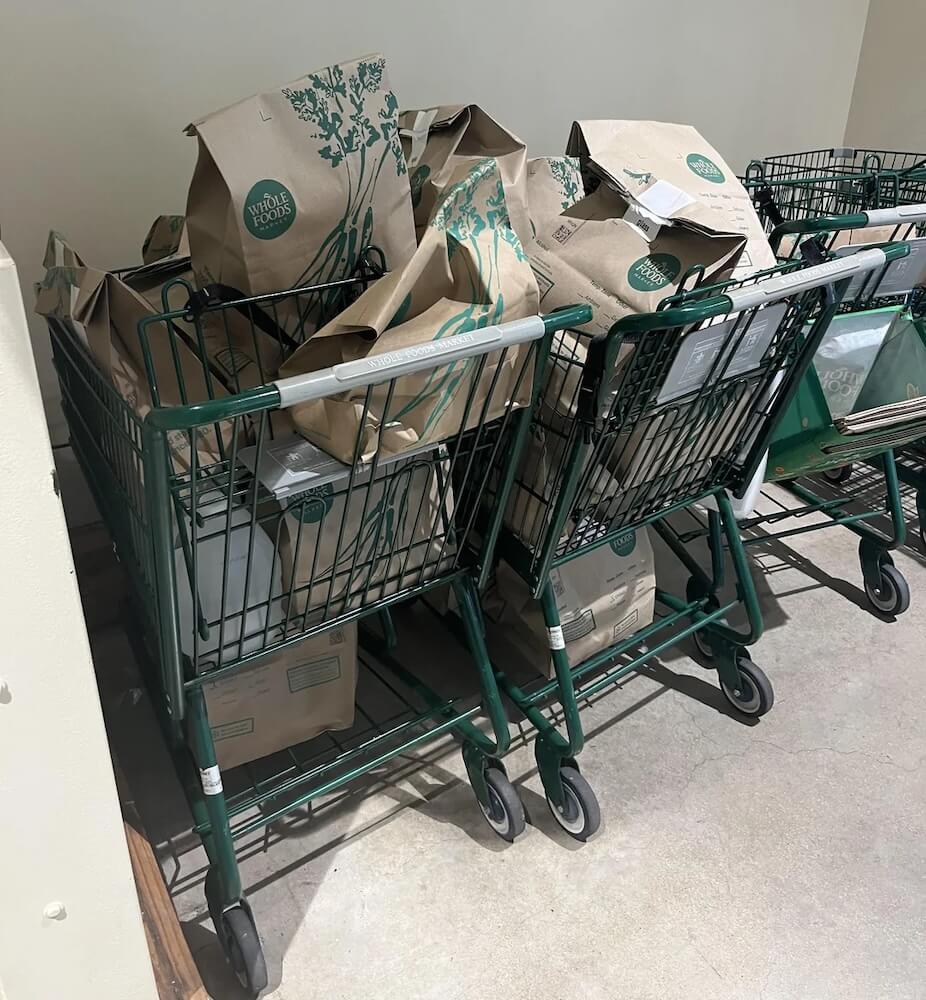
A shocking photo from a Whole Foods store posted to Reddit showed multiple shopping carts filled with grocery bags destined for the trash. Unfortunately, it was all because of a delivery mishap.
What happened?
A Redditor told r/AmazonFlexDrivers they witnessed an Amazon Flex driver return several grocery bags to a Whole Foods store after scanning and loading them.
According to the post, the driver left the property and then ended their delivery block before returning with all the undelivered groceries.
"Whole Foods has to throw all of this away," the Redditor titled their post. Store employees were reportedly furious about the situation, knowing the food would go straight to the dumpster.
One commenter confirmed this unfortunate reality, saying, "Typically, groceries are to be thrown away once they leave the store as it's a safety issue."
Another added perspective on the broader problem, writing, "That's nothing stores throw away dumpsters of perfectly good food every day."
TCD Picks » Quince Spotlight
💡These best-sellers from Quince deliver affordable, sustainable luxury for all




Why is food waste concerning?
Every year, grocery stores across the U.S. toss millions of pounds of edible food. This waste winds up in landfills and spews methane, a heat-trapping gas more than 28 times stronger than carbon dioxide, per the U.S. Environmental Protection Agency.
When perfectly good groceries end up in dumpsters, the resources that grew, transported, and packaged that food go to waste, too.
Growing and assembling food requires water, land, and energy, which all go to waste when that food lands in the trash. Transporting food contributes to increased air pollution, and food's plastic packaging takes centuries to break down.
Stores cite safety concerns as the reason for wasteful policies, and protecting consumers from potentially compromised food is important. But Whole Foods' current approach creates unnecessary waste.
|
Do you worry about the quality of the air inside your home?
Click your choice to see results and speak your mind. |
 Yes — often 😬
 Is Whole Foods doing anything about this?
Whole Foods has made some efforts to reduce waste through its grocery rescue and composting programs. The company reports diverting some unsold products from landfills through these initiatives.
However, the rigid policy that requires disposal of any groceries that leave a store's premises demonstrates room for improvement. Other grocery chains have found ways to work within safety regulations through sealed container systems, temperature monitoring technology, and fast donation protocols.
There are other grocery stores setting an example for how to reduce food waste. One Trader Joe's location gave away as much food as possible when their refrigeration went out. A Kroger site lost power and donated 76,833 pounds of food to a local food bank for people in need.
The Cool Down has reached out for comment on whether the incident at this particular Whole Foods is a procedural requirement rather than an isolated decision made by staff, who seemed frustrated about having to waste the food.
A spokesperson said that the company cannot comment on unverified information posted on social media but said that
Whole Foods does indeed employ ordering tools to make sure its stores do not order more than they need. The spokesperson also pointed to the food waste commitments, with a goal to reduce food waste by 50% by 2030.
What's being done about food waste more broadly?
Several states have passed laws requiring large food generators to divert organic waste from landfills through donation or composting programs. France even prohibits grocery stores from discarding unsold food, mandating that donations be made instead.
Technology offers promising solutions, too. Apps like Too Good to Go connect stores with customers who want to purchase near-expiration items at a discount. Smart tracking systems help stores better predict demand and reduce overordering.
If you'd like to help stores reduce waste, there are many actions you can take. Buying "ugly" produce, shopping sales on items approaching sell-by dates, and supporting stores with strong waste-reduction programs all help.

Join our free newsletter for good news and useful tips, and don't miss this cool list of easy ways to help yourself while helping the planet.






