


Contec Australia unveiled its first 3D-printed home, marking a step forward for more sustainable, more cost-effective, and speedier construction projects.
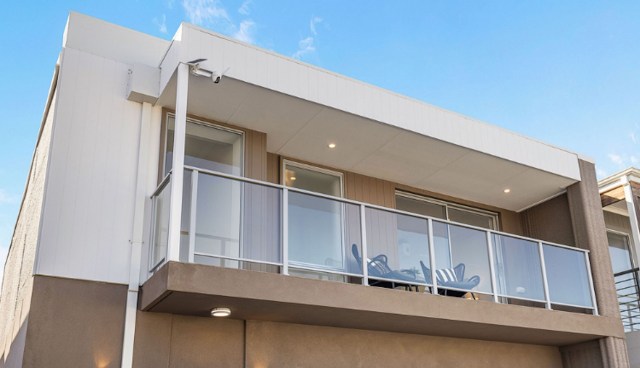
One unique aspect of this recent build in Tapping, a suburb of Perth, is that it spans two stories instead of the single floor commonly featured with this building method, New Atlas reported.
CyBe trained the Contec team to use its concrete-dispensing CyBe robot crawler in just two weeks, and they were fast learners.
The walls for the first floor took just 10 and a half hours of active printing, with the second story taking just eight more hours.
A small team of workers took only 18 hours to lay down the home's framework, and crews over the next five months added the roof, wiring, flooring, and everything else needed to get it market-ready, the outlet added.
"This innovation addresses some of the biggest challenges in the construction industry, from labour shortages to rising costs," said Mark D'Alessandro, the founder of Contec Australia. "3D concrete printing significantly reduces build times and offers a more sustainable alternative to traditional construction methods."
TCD Picks » Quince Spotlight
💡These best-sellers from Quince deliver affordable, sustainable luxury for all




The CyBe RC can lay down 500 millimeters of concrete per second and helps the construction firm reduce costs while creating highly resilient homes that address the region's turbulent weather conditions and housing shortage.
"Contec's specialized concrete mix prints walls layer by layer, without the need for formwork or scaffolding," the firm explained, according to New Atlas. "The mix is self-supporting, sets hard in under three minutes, and reaches 50 [megapascal, a unit used to measure compressive strength], more than three times the strength of standard bricks (15MPa). The walls are cyclone rated, thermally efficient, termite-proof, and both fire- and water-resistant, making them a strong fit for Western Australia's metro and regional conditions."
There has been growing adoption of 3D printing in construction projects in recent years, with projects popping up across the United States, Europe, and New Zealand, to name a few places.
The process helps reduce material waste, allows for greater design flexibility, and offers climate-resilient housing for people with a broad spectrum of income levels.
"With this technology, we're setting a new benchmark for construction," D'Alessandro said. "It's faster, cleaner, more sustainable, and versatile enough to handle everything from housing to large-scale infrastructure. We're excited to see how it will transform building in Western Australia."
|
Would you trust a 3D-printed home in a natural disaster?
Click your choice to see results and speak your mind. |
 Yes 👍
Yes 👍 
Join our free newsletter for easy tips to save more and waste less, and don't miss this cool list of easy ways to help yourself while helping the planet.






