


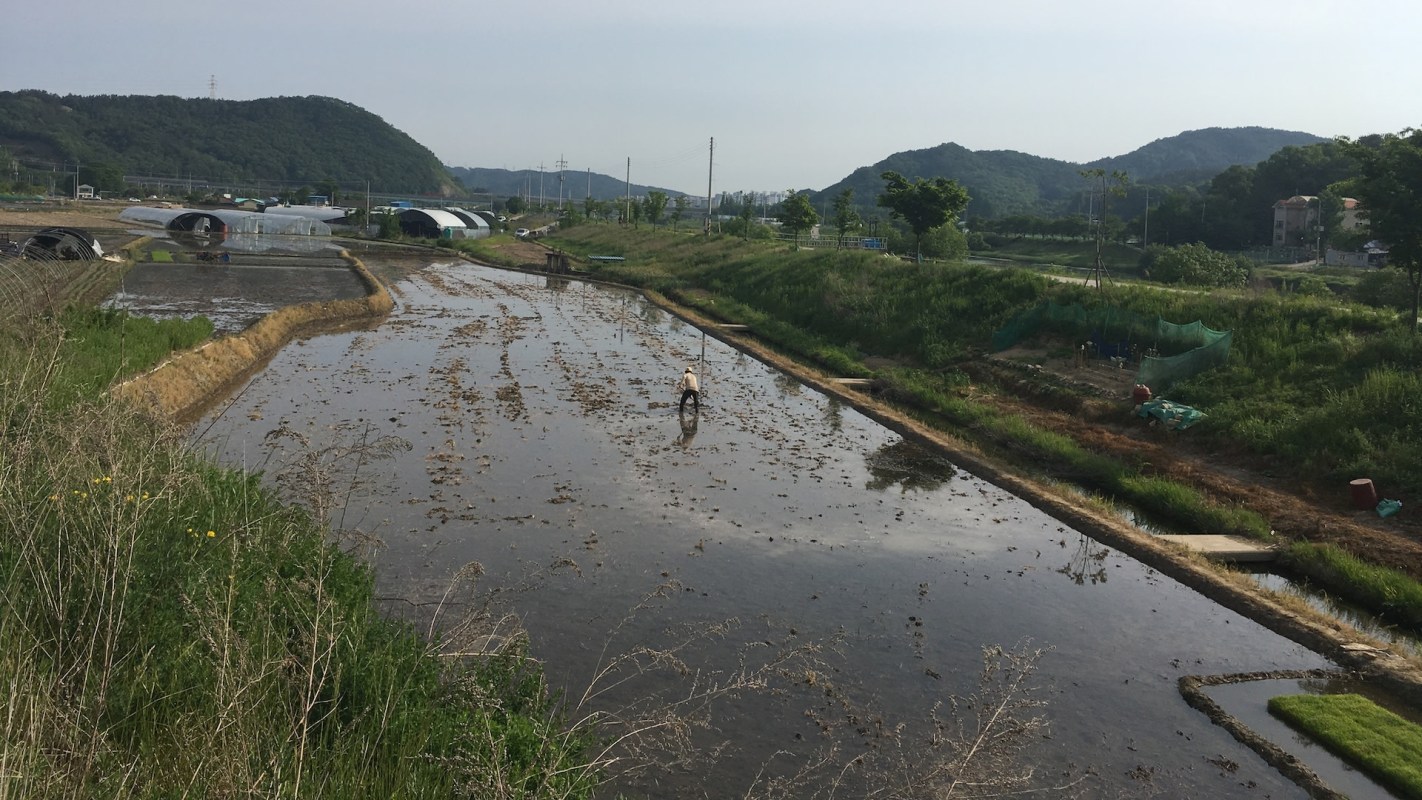
South Korea's grocery prices are climbing again, with new government data showing that heat waves and heavy rains are driving up the cost of fresh produce and livestock.
The increases mark yet another sign of how extreme weather is straining food systems — and household budgets.
What's happening?
Business Korea reported that a Bank of Korea report shows grocery costs are on the rise as extreme weather disrupts crops and livestock production.
The producer price index for July jumped to 120.20, up 0.4% from June, marking the second monthly increase in a row. Agricultural and livestock products surged by 5.6%, the steepest climb in nearly two years.
Some of the biggest increases were with everyday staples. Spinach spiked 171.6%, while cabbage prices rose 51.7%. Beef and pork also became pricier, rising 6.5% and 4.2%.
"Vegetable crops were poor last month due to heat waves and heavy rains," said Lee Moon-hee, head of the Bank of Korea's price statistics team. "For beef and pork, increased demand during the holiday season coincided with poor growth or increased deaths due to heat waves and supply shortages."
TCD Picks » Quince Spotlight
💡These best-sellers from Quince deliver affordable, sustainable luxury for all




He added, "It's difficult to identify the full impact yet," pointing to government-issued consumer coupons that may also have influenced demand.
Why are rising food prices concerning?
For households already on a budget, higher grocery prices can mean tough trade-offs. Families around the world are finding it harder to afford fresh produce and protein, which could affect their health and well-being.
As global temperatures climb, extreme weather is becoming more common, disrupting harvests and driving up food costs. This isn't just a seasonal blip — it's part of a growing pattern.
For example, Europe's record-breaking heat has hammered olive oil production, and drought in Zambia is fueling food insecurity. These events are interconnected, and they ripple outward through global food markets, leaving shoppers everywhere paying more at the grocery store checkout counter.
|
How often do you worry about your energy bills? Click your choice to see results and speak your mind. |
 Every day 😥
 What can we do about rising grocery bills?
South Korean authorities have taken short-term steps such as distributing consumer coupons to offset costs and help stimulate demand.
But experts warn that addressing the root of the problem requires building food systems that are more resilient to the warming world. That could mean investing in climate-adapted crops, improving irrigation systems, and creating better safety nets for farmers.
Planning grocery trips and choosing seasonal or locally grown produce can help families shop smarter at the grocery store.
But in the long run, stabilizing grocery prices depends on tackling the underlying drivers of extreme weather. That can include steps such as using less plastic, making your next car an electric vehicle, learning more about your recycling options, and holding big polluters accountable.

Join our free newsletter for easy tips to save more and waste less, and don't miss this cool list of easy ways to help yourself while helping the planet.







