


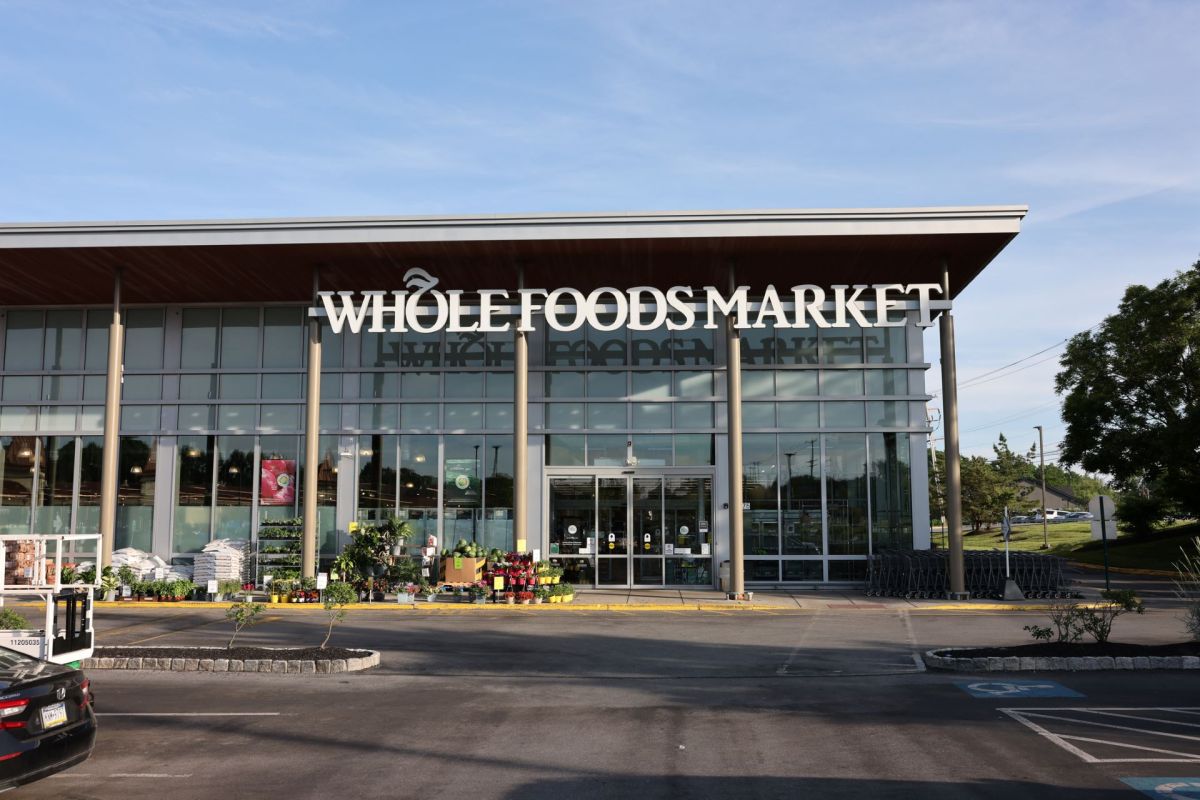
When it comes to food waste, one Whole Foods employee said the chain is tossing out so much edible produce and meat that it's enough to make you lose your whole appetite.
What's happening?
In a Reddit post on r/wholefoods, an employee described being "infuriated" by the sheer volume of produce, meat, and fish that gets thrown away at their store.
"I see so many pounds of perfectly edible produce, meat and fish going into the compost chute every day, and it makes me want to yell," they wrote. "I typically close the seafood counter, and I'm this close to trying to start sneaking out some of the filleted carcasses that we just trash. It's criminal that they aren't getting turned into fish stock and, well, your boy needs fish stock."
Commenters did note that composting programs are typically in effect, but they are reserved mostly for produce.
"Meat & prepared foods n majority of the retail items is still trash," one user explained.
"No matter how much of a bummer food waste is, if we take it it's considered theft and eligible for immediate termination," warned another.
TCD Picks » Quince Spotlight
💡These best-sellers from Quince deliver affordable, sustainable luxury for all




Still, many agreed the situation highlights a troubling gap in how grocery chains manage surplus food.
Why is food waste important?
Globally, food waste is responsible for as much as 8-10% of harmful gas pollution, according to the UN. This figure rivals that of the aviation industry's impact. When food ends up in landfills, it decomposes and produces methane, a harmful gas many times more potent than carbon dioxide.
Beyond the environmental damage, food waste represents a devastating social inequity. Perfectly edible food is being trashed while nearly 44 million Americans face hunger.
Employees watching piles of fish and produce go to waste feel the moral sting of seeing resources discarded instead of redistributed.
|
Should the government provide incentives to buy EVs?
Click your choice to see results and speak your mind. |
 Absolutely 💯
 Is Whole Foods doing anything about this?
Whole Foods has sustainability programs in place, including efforts to compost and donate food where possible. However, as commenters pointed out, limitations exist in how much donation centers are able to accumulate.
"If your donation partner isn't able to take the volume that you're trying to donate, the facilities team can work toward finding a different, or additional, partner," said one commenter. "There's no reason edible food should be thrown out instead of donated."
Prepared foods and meats are often excluded due to food safety and liability concerns. While these restrictions are real, they don't entirely excuse the volume of waste employees are witnessing, nor the missed opportunities to partner with food banks or recovery organizations better equipped to handle donations.
What's being done about food waste more broadly?
Other companies have shown that excess food doesn't have to head straight for the dumpster. For example, Kroger partnered with the Arkansas Foodbank after a power outage, donating food that would have otherwise spoiled, while Trader Joe's has donated truckloads of products in similar situations.
For everyday people, solutions include supporting businesses with strong food donation programs, advocating for clearer liability protections to encourage donations, and pushing for better composting systems to keep unavoidable waste out of landfills.

Join our free newsletter for easy tips to save more and waste less, and don't miss this cool list of easy ways to help yourself while helping the planet.







