


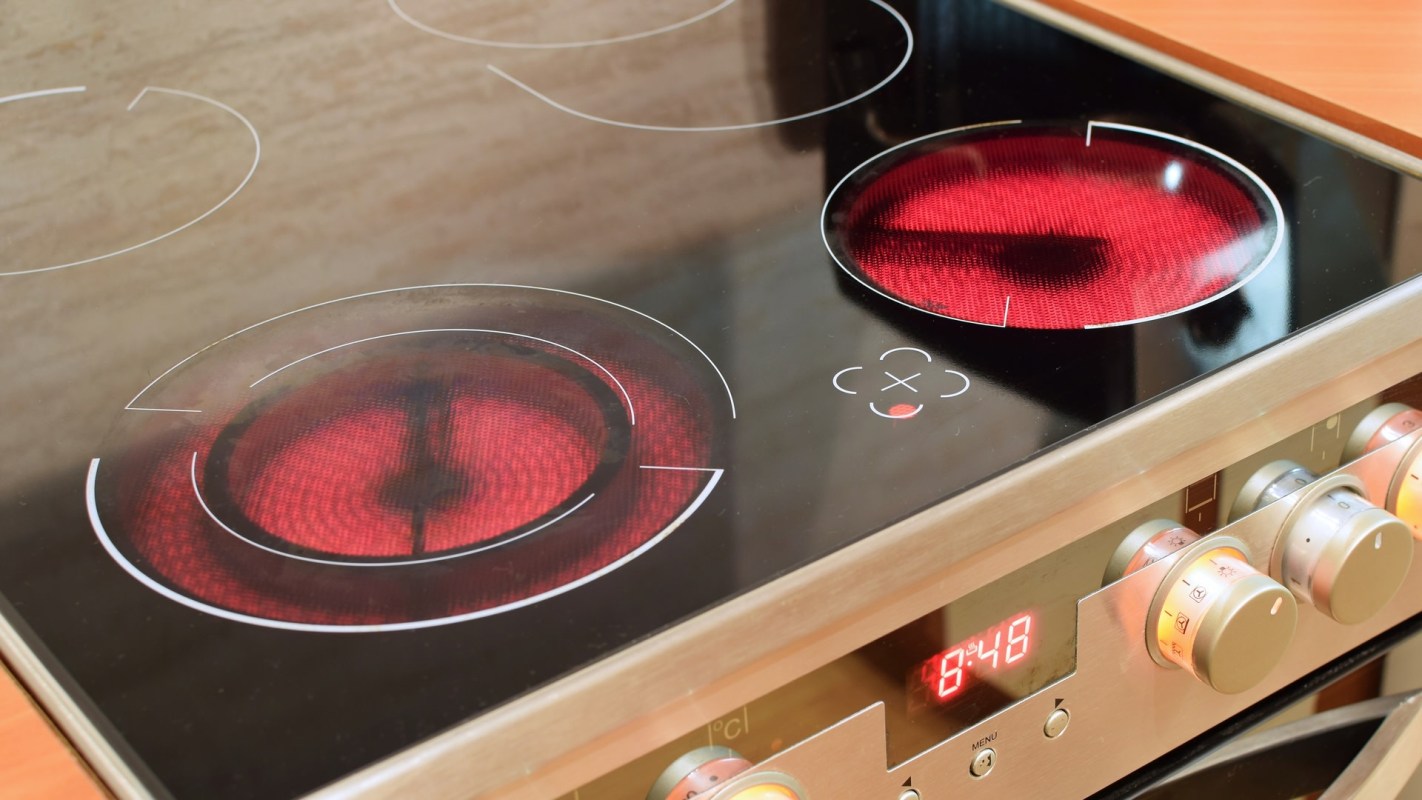
If your kitchen still relies on an outdated gas stove, you may be missing out on a big savings (and better cooking). Thanks to federal rebates, you could get up to $840 off a new electric or induction stove.
The scoop
Through the Home Electrification and Appliance Rebate Program, homeowners and renters can claim up to $840 when upgrading to an Energy Star-certified electric or induction cooktop, range, stove, or oven. Some households may also be eligible for Home Efficiency Rebates of up to $8,000 for projects that slash household energy use.
While some Inflation Reduction Act tax credits will expire at the end of 2025 under the One Big Beautiful Bill Act, many appliance rebates — including those for electric and induction stoves — are expected to remain. However, acting sooner rather than later could save you thousands of dollars.
And if you're not ready for a kitchen renovation, plug-in induction burners are a great option. They start at around $50 and are renter-friendly since they work right on your countertop.
TCD Picks » Induction Cooking
💡Discover the induction option that’s just right for your needs and your home



How it's helping
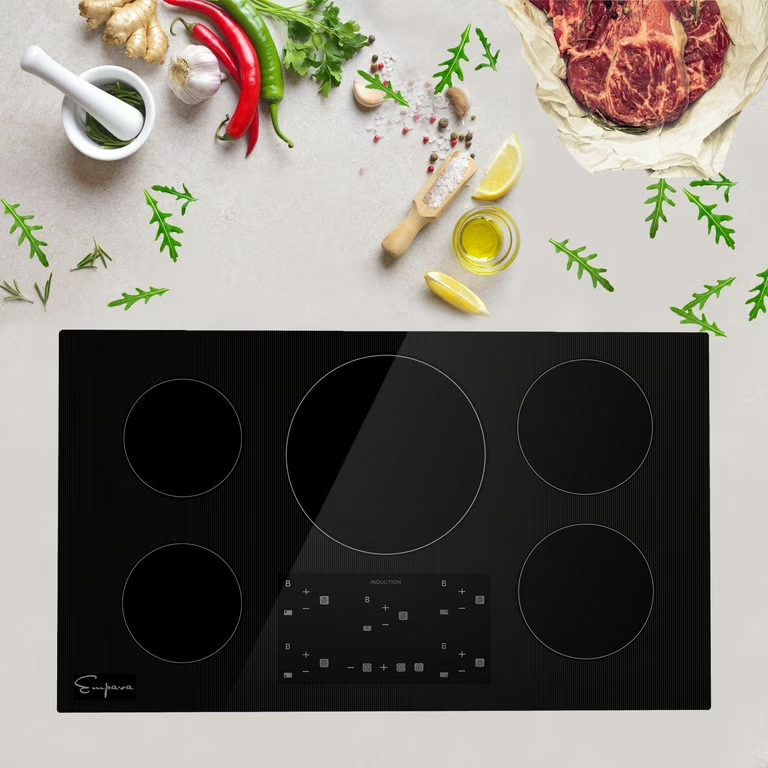
Electric stoves are about three times more energy efficient than gas ones since they don't waste heat or pollute your kitchen air. Induction stoves are even better, using electromagnetic energy to heat cookware directly. That makes them faster, safer, and up to 10% more efficient than conventional electric ranges. Between the upfront rebate and the long-term energy savings, replacing your stove can save you hundreds or even thousands of dollars.
Environmentally, the switch matters too. Gas stoves release nitrogen dioxide and other harmful pollutants inside homes, which can contribute to respiratory problems. Switching to electric or induction cuts those emissions entirely while reducing household fossil fuel use.
So, whether you choose induction or electric, you'll get cleaner indoor air and lower energy bills. Induction is the gold standard if you want the quickest, most responsive cooking experience.
What everyone's saying
Tom's Guide asked professional chefs if induction stoves were worth the upgrade, and they sang their praises. "Induction cooking is remarkably energy efficient because it heats the cookware directly through electromagnetic energy, rather than warming the air around it," Grace Vallo, founder of the food blog Tastefully Grace, said. "This direct transfer means less energy is wasted, so meals cook faster and your kitchen stays cooler."
Save $10,000 on solar panels without even sharing your phone number Want to go solar but not sure who to trust? EnergySage has your back with free and transparent quotes from fully vetted providers in your area. To get started, just answer a few questions about your home — no phone number required. Within a day or two, EnergySage will email you the best options for your needs, and their expert advisers can help you compare quotes and pick a winner. Solar panels can save you more than $50k over their 25-year lifespan, and EnergySage can help you save as much as $10k on installation. Which begs the question — isn't that worth an email or two? |

Meanwhile, Kyle Taylor, founder and chef at He Cooks, highlighted how induction matches gas without any of the drawbacks: "It responds as quickly as gas but without turning your kitchen into a sauna. Lower the heat, and it instantly responds. Crank it up, and the water rolls to a boil in seconds."
The consensus is clear: Electric stoves are a smart upgrade over gas, and induction is the best option overall. With the chance to save up to $840, there's never been a better time to make the switch.
|
What factor would make you most likely to get an induction stove? Click your choice to see results and speak your mind. |
 Energy savings 💰
Join our free newsletter for easy tips to save more and waste less, and don't miss this cool list of easy ways to help yourself while helping the planet.






