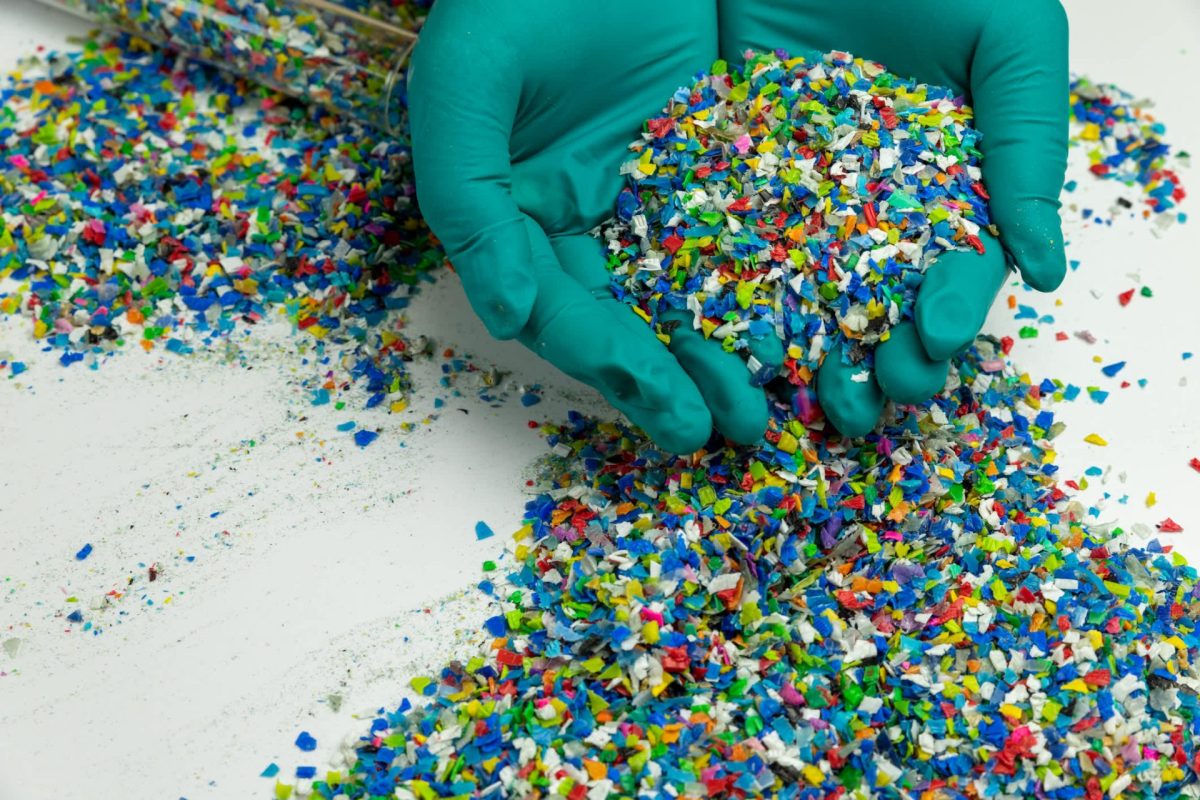
A new study comparing the effects of traditional and biodegradable microplastics on a popular agricultural crop yielded mixed results.
What's happening?
A team of researchers compared traditional microplastics made of polypropylene and polyethylene to biodegradable versions. They added these microplastics in three different doses and observed the results during three critical stages: seedling, flowering, and maturity.
Overall, the biodegradable plastics showed more benefits for soil health, according to Innovation News Network, which summarized the study. In fact, one of the biodegradable plastics, polybutylene adipate terephthalate, showed exceptional promise during the seedling stage — soils with a 0.1% ratio of this biodegradable plastic mixed in showed a 35.3% increase in root biomass compared to the control group.
The effects of traditional microplastics above ground were a bit more complex. When seedlings were treated with 1% polypropylene, they suffered a 43.4% decrease in aboveground biomass, but when the 0.1% mix was used, it led to a 126.1% increase in biomass during flowering.
Meanwhile, treatments of 0.1% and 1% polyethylene led to 88.0% and 68.7% increases, respectively, in aboveground biomass during flowering. Moreover, microplastics at 0.1% and 1% levels did not affect material exchange between soil bacteria and fungi but did have a negative effect on ecosystem functions.
"Microplastics increased the complexity of bacterial and fungal networks and impacted ecosystem functions because they may serve as labile carbon resources for soil microorganisms, stimulating organic matter decomposition," the researchers stated.
TCD Picks » Quince Spotlight
💡These best-sellers from Quince deliver affordable, sustainable luxury for all




"However, once labile carbon in native soils is depleted, inadequate fresh labile carbon from root exudates fails to alleviate microbial carbon limitations, resulting in peas competing with microorganisms for scarce nitrogen resources to promote its growth."
INN added that the long-term toxicity of microplastics was not fully explored because of the short experimental duration.
"Future studies should involve longer-term field experiments, particularly focusing on leguminous crops that rely on biological nitrogen fixation, to further assess the potential risks of microplastics to agricultural ecosystems," the news site stated.
Why is this study important?
This study adds to a growing body of research about microplastics and their impacts on agriculture. For instance, one paper suggested that microplastics in the soil can hinder plant growth by depriving plants of the ability to collect needed nutrients.
|
Do you think Americans use too much plastic? Click your choice to see results and speak your mind. |
 Absolutely 🗑️
 At the same time, we're learning about the health impacts of microplastics, which have infiltrated our soil, water, air, and bodies. One study found significant levels of these tiny plastic particles in the penises of four out of five men undergoing erectile dysfunction-related surgery. Additional research has tied microplastic exposure to health problems such as cancer, dementia, and impaired blood flow in the brain.
What's being done about microplastics?
One group of researchers found a way to remove microplastics from farm soil using a type of processed farm waste. Plus, a number of research teams are discovering new ways to remove them from our drinking water — one method uses egg whites, and another utilizes natural powders made from seeds.
Since microplastics often result from the breakdown of large plastics, it's also important that we stop them at the source. You can help by avoiding single-use plastics whenever possible. Invest in a reusable water bottle, bring a reusable shopping bag to the market, and bring to-go containers to restaurants.

Join our free newsletter for good news and useful tips, and don't miss this cool list of easy ways to help yourself while helping the planet.