Plastic-based wet wipes will finally be getting flushed out of Wales.
The Free Press Series reported that the Welsh Senedd voted in June to ban the popular household product, with the hope that the move will help keep beaches and rivers from turning into clogged-up messes.
This follows similar concerns raised elsewhere, like when experts sounded the alarm about pollution from wet wipes clogging the River Thames in England.
Deputy First Minister Huw Irranca-Davies didn't mince words.
"There should be no place for wet wipes amongst the pebbles and the sand and the seaweed on our beautiful Welsh coastline," he told members.
He said anyone walking along the coast can see the problem for themselves, adding, "This pollution, as we all know, is visible, its impact is tangible, and it's long-lasting."
TCD Picks » Good Store Spotlight
Get 10% off your next purchase with code TCD10
Starting December 18, 2026, shops won't be able to sell or give away plastic-based wet wipes. They'll join the lineup of single-use plastics banned under a 2023 law.
Spain passed a similar ban targeting wet wipes after seeing how much they cost cities in sewer repairs.
So what's the big deal? Picture flushing paper towels down your toilet every day. Wet wipes are like that, except they're made with hidden plastic fibers that never break down. This can lead to an increased risk of blocked sewage pipes.
A government survey found that about 22% of people admit to flushing them. That sends wipes into sewers, rivers, and the sea, where they break apart into microplastics. Those tiny pieces can eventually end up in seafood.
TCD Picks » Quince Spotlight
💡These best-sellers from Quince deliver affordable, sustainable luxury for all




|
Do you think Americans use too much plastic? Click your choice to see results and speak your mind. |
 Absolutely 🗑️
 Even the British royal family has banned wet wipes from its properties to avoid long-term plumbing damage and environmental waste.
Janet Finch-Saunders, an opposition member of the Senedd, backed the move.
"It's not often that I say this, but thank you very, very much…for bringing forward your statement today and indeed this ban," she told colleagues.
Not every wipe will vanish from shelves, though. Medical-grade wipes and some industrial wipes still need plastic for hygiene or function. Irranca-Davies said industries using them will be pushed to find safer options in the near future.
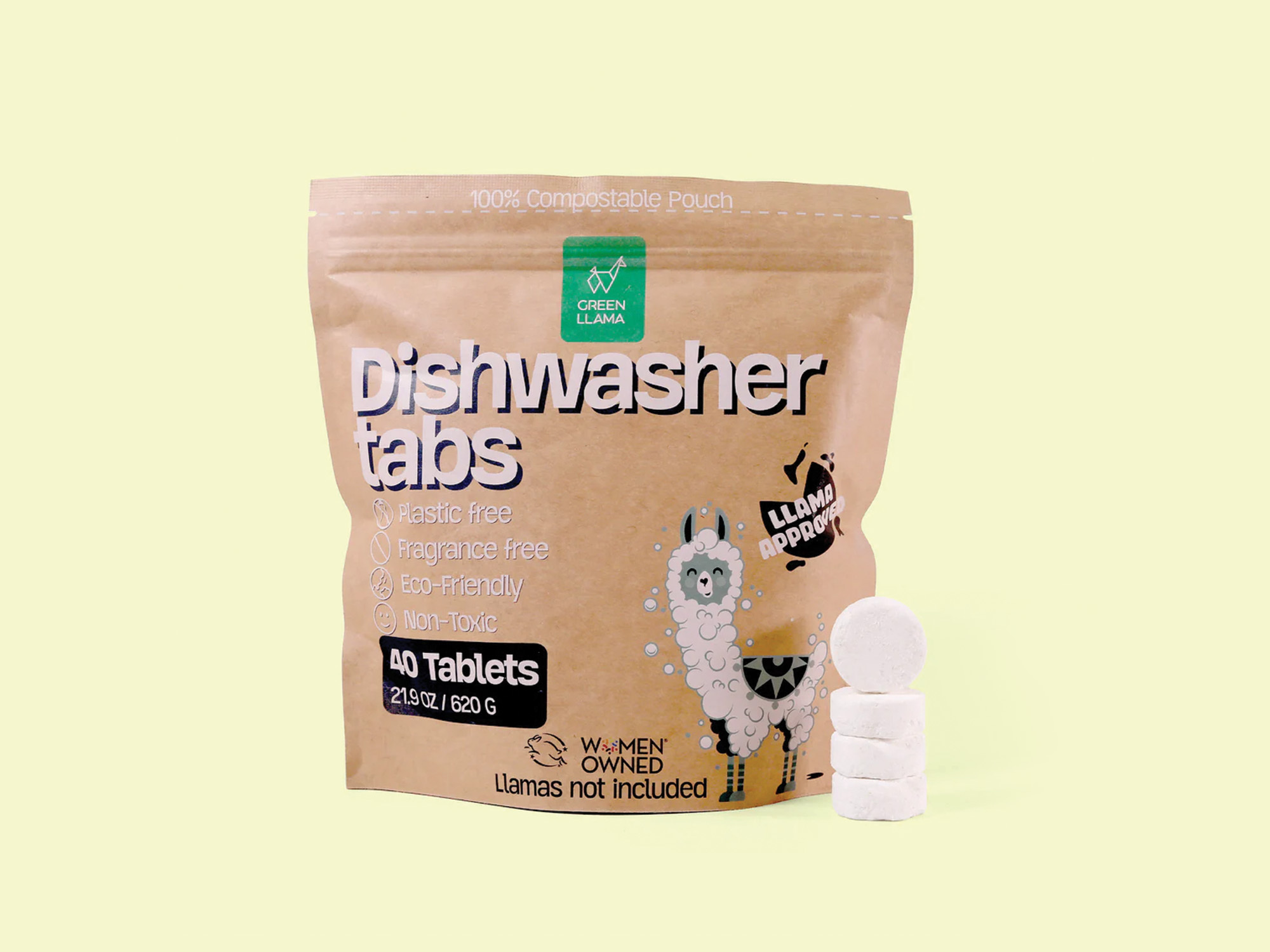
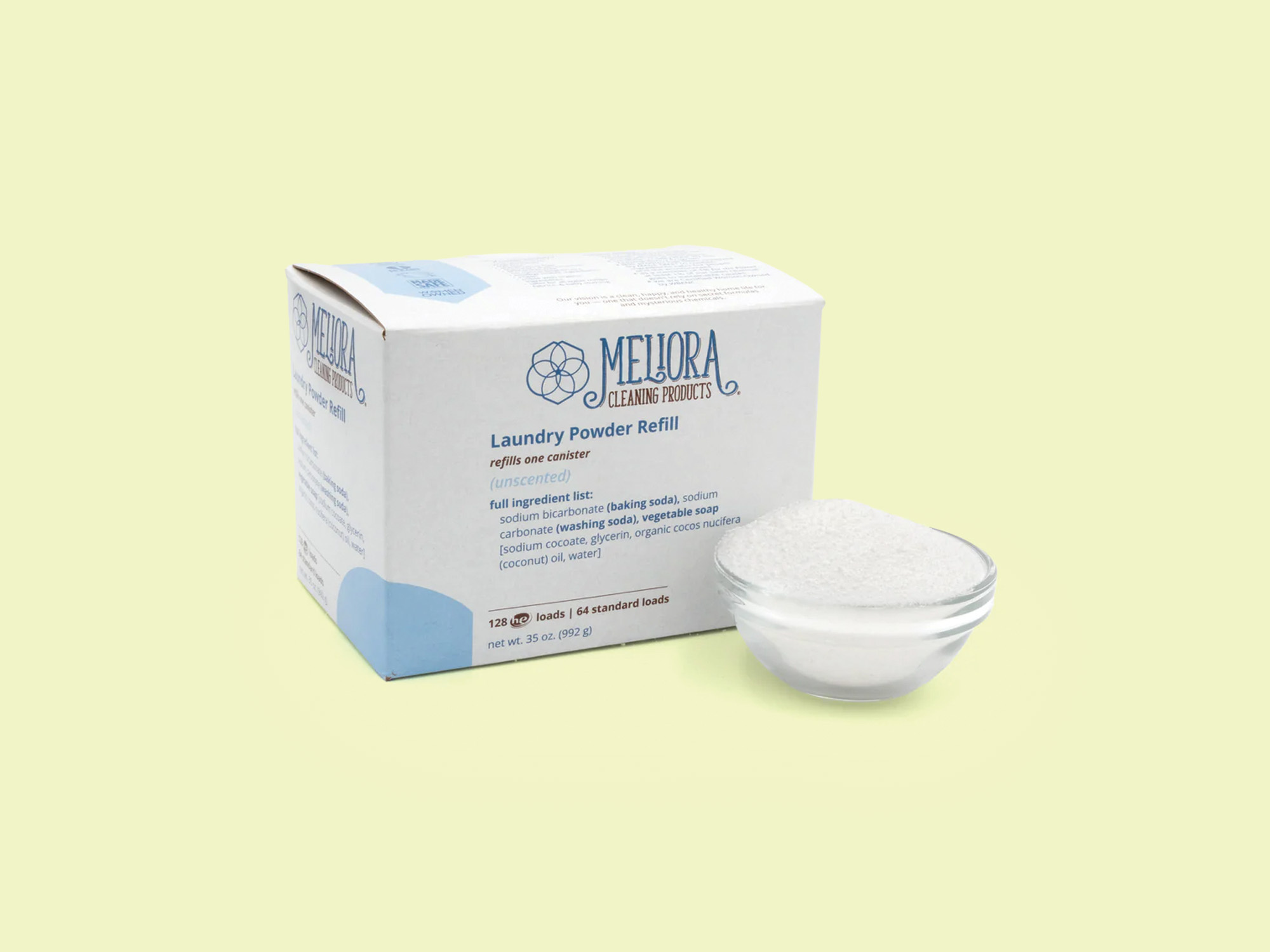
People can swap these products for reusable cloths or plastic-free wipes for daily cleaning. It's a simple switch that can make a big difference in reducing infrastructure damage, protecting marine life, and improving water quality.

Join our free newsletter for good news and useful tips, and don't miss this cool list of easy ways to help yourself while helping the planet.