


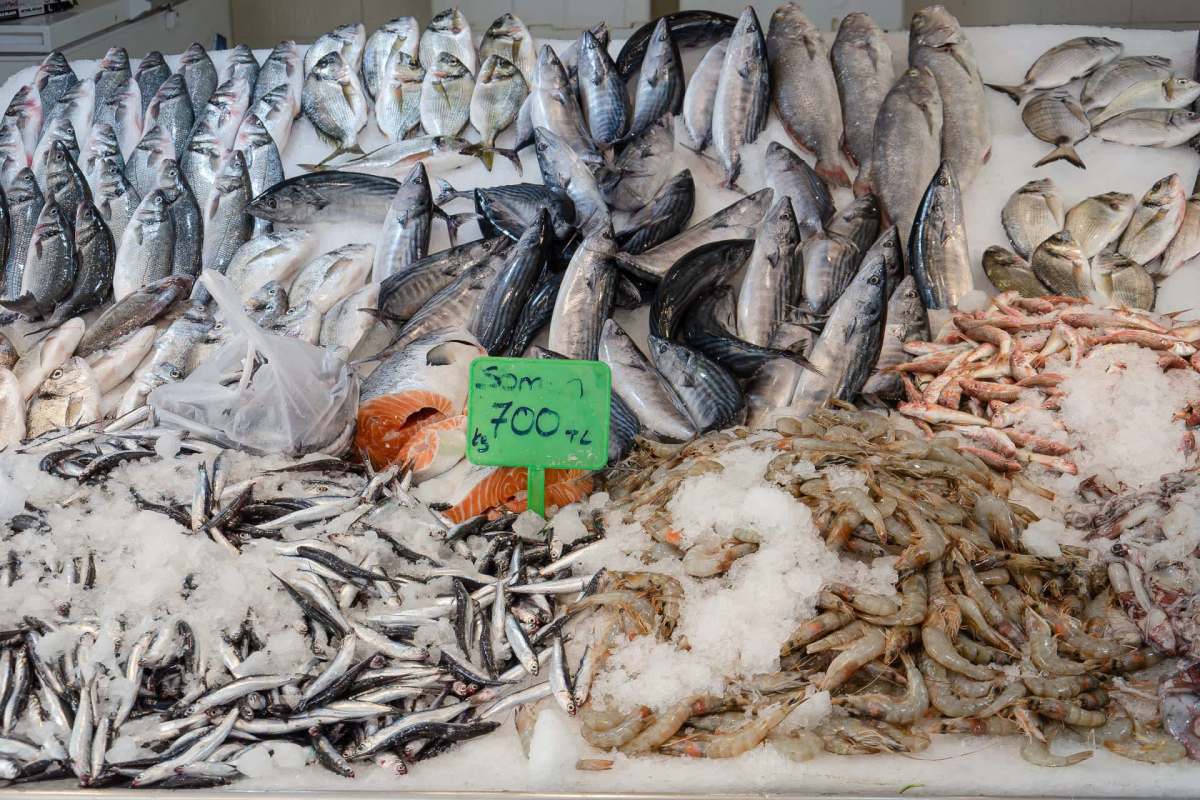
The Western Australian seafood industry is looking to become more environmentally friendly, as it transitions to a new style of packaging for its products.
According to Packaging News, the region's seafood industry is phasing out expanded polystyrene boxes after a ban on the material and replacing them with a biofoam that's currently in development via a partnership between the Bioplastics Innovation Hub and Cass Materials. The new foam is made from wheat straw, a commonly found agricultural byproduct from growing wheat.
"In WA, approximately 10 million tonnes of wheat straw per year is retained on the farm and, with no tillage systems, most is burnt," said Gary Cass, CEO of Cass Materials. "With the Bioplastics Innovation Hub, we can convert this agricultural waste into new fossil-free biofoam boxes for fresh food and seafood markets."
The new foam shares many of the insulating qualities of polystyrene but lacks many of the harmful environmental issues that come with the petroleum-based plastic foam.
Polystyrene takes over 500 years to biodegrade in the environment, but it does break down into microplastics, tiny pieces of plastic that have become an endemic problem across the globe.
Microplastics have been linked to serious health issues like liver fibrosis, and their presence in soil has been shown to hinder crop growth. If that wasn't bad enough, polystyrene contains chemicals that are known carcinogens, and when the material is heated, those chemicals can leach into soil and water and cause issues.
By comparison, biofoam biodegrades in a matter of months, and because it's made from plants, it actually improves the soil it's in when it does. They're lightweight; hydrophobic, so they won't store water or soak up juices from the seafood; and can be composted at home.
Plant-based plastics have seen significant advances recently. Companies have developed bioplastic bottles for medicine storage, and researchers in Copenhagen developed a plastic that degrades in just two months.
The new biofoam is in Stage 4 of development, meaning its laboratory prototypes have been validated, and Cass Materials is looking to scale up its manufacturing of the material to meet anticipated demand.
"Consumers are becoming more aware of the damage that fossil-based plastics are doing to our environment," Cass said. "With this awareness, they are seeking out these sustainable alternatives."
TCD Picks » Quince Spotlight
💡These best-sellers from Quince deliver affordable, sustainable luxury for all




|
Which of these factors would most effectively motivate you to recycle old clothes and electronics?
Click your choice to see results and speak your mind. |
 Giving me money back 💰
Join our free newsletter for easy tips to save more and waste less, and don't miss this cool list of easy ways to help yourself while helping the planet.
Cool Picks




