Each shift, a restaurant worker watches perfectly good bread hit the trash, and the guilt is starting to pile up higher than the loaves themselves.
What's happening?
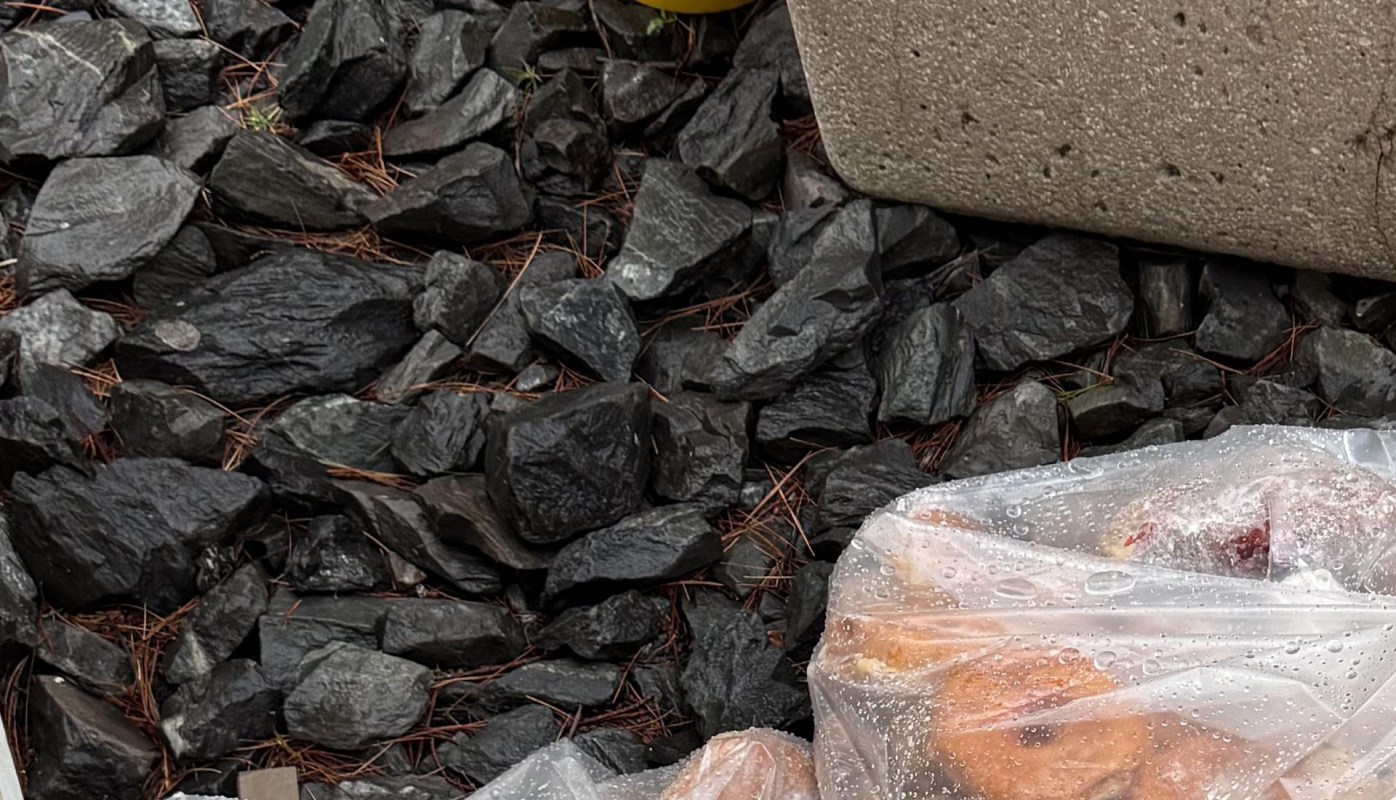
A user in the r/KitchenConfidential subreddit shared that their restaurant discards "a bunch of loaves of bread" at the end of every day rather than donating it or allowing staff to take it home.
"Every day I come into work I feel like an awful person," the worker wrote, posting an image of bagged-up bread set on the curb.

Unfortunately, the comments section made clear that this was not a unique situation.
"Liability is the biggest reason all around," explained a commenter. "If the food comes from your establishment and gets people sick, it falls back on you."
Others, however, noted that there are proven ways to safely redirect excess food to shelters or food banks.
Why is food waste important?
Globally, wasted food is estimated to contribute 10% of total planet-warming pollution, as the World Wide Fund For Nature observed.
When edible food ends up in landfills, it produces methane, a harmful gas that is more than 80 times as potent in planet-warming potential as carbon dioxide.
The damage of wasted food extends beyond its environmental impact, too. A lot of this food can be redirected to address the needs of millions who face food insecurity every day.
It is a shame when perfectly good bread is tossed nightly while shelters and pantries struggle to meet demand. If such policies remain standard, the environmental footprint of restaurants will continue to grow.
TCD Picks » Upway Spotlight
💡Upway makes it easy to find discounts of up to 60% on premium e-bike brands




|
Should companies be required to help recycle their own products?
Click your choice to see results and speak your mind. |
 Definitely 👍
 Is the restaurant doing anything about this?
While the original Reddit post did not name the specific restaurant, many national chains have drawn scrutiny for similar practices.
Some cite health regulations as the reason they can't donate leftovers. However, other companies have demonstrated it's possible to implement waste-reduction systems.
For instance, Kroger partnered with the Arkansas Foodbank to donate surplus food after a storm-related power outage, ensuring tons of food went to families in need instead of the dump.
Trader Joe's has also worked to donate products after spoilage risks, setting a positive example.
While these food donation systems are not yet widespread, there are other solutions that restaurants can consider as well. Composting, for example, could serve as a backup strategy to prevent food from becoming methane pollution.
What's being done about food waste more broadly?
Across America, Good Samaritan Food Donation laws protect businesses from liability when donating food in good faith, and new initiatives aim to connect restaurants with local charities.
Apps like Too Good To Go allow consumers to buy surplus food at a discount, while composting programs in cities such as San Francisco and New York help reduce landfill impact.
Individuals can also play a role by supporting restaurants and grocers that participate in donation or waste-reduction programs.
Throwing away good bread may feel like a small act, but multiplied across thousands of restaurants, it's a major issue we can't afford to ignore.

Join our free newsletter for easy tips to save more and waste less, and don't miss this cool list of easy ways to help yourself while helping the planet.
Cool Picks