


A mountain of perfectly good chicken tenders has customers wondering how "fresh" turns into "trash" so fast.
What's happening?
A Raising Cane's employee posted a photo to r/mildlyinfuriating showing a large container filled with discarded chicken tenders that were set to be thrown away.
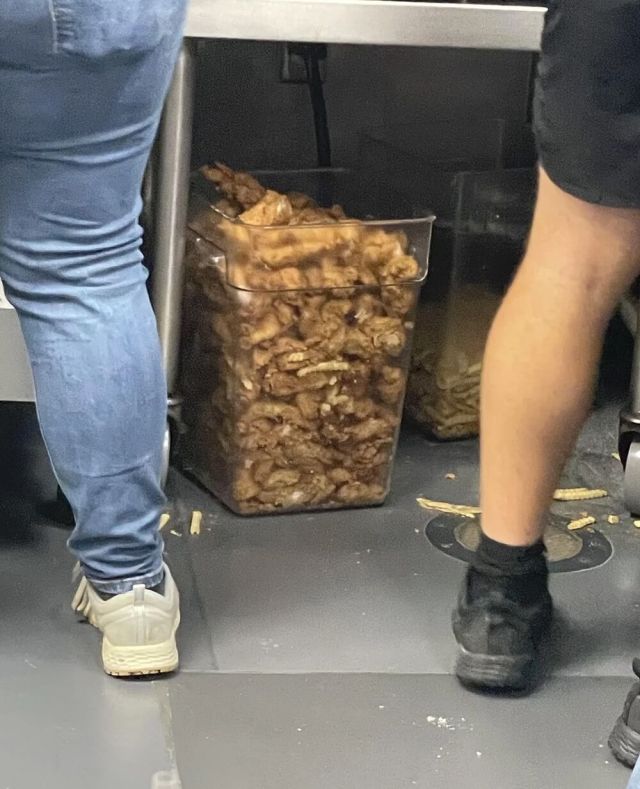
The jarring photo caused commenters to share other experiences with wasteful food practices.
"The amount of food waste in all restaurants is sickening," said one commenter.
Why is food waste important?
When food is thrown away, all the resources used to produce it go to waste too, including water, land, feed, labor, and energy. Meat is especially resource-intensive, so discarded chicken has an outsized environmental impact.
There's also a human cost. According to the World Food Programme, 318 million people globally face food insecurity. Companies creating food waste contribute to overflowing landfills, increased harmful emissions, and missed opportunities to redirect food to people who need it.
Is Raising Cane's doing anything about this?
Raising Cane's hasn't said anything about this particular situation. Like many fast food chains, the company prioritizes consistency and food safety, which can limit options for donating cooked food.
It also appears to not be the norm, as one commenter mentioned: "Used to work at a Cane's and even this is pretty bad. I forget what our target was, but if your bucket was full; you were getting spoken to after the shift."
That said, other retailers have shown it's possible to reduce waste even during unexpected situations. After a power outage, one Kroger location worked with an Arkansas food bank to safely donate perishable food rather than toss it. Trader Joe's stores have taken similar steps to divert food from landfills during disruptions.
These examples show that waste isn't inevitable when policies are flexible and partnerships are in place.
TCD Picks » Quince Spotlight
💡These best-sellers from Quince deliver affordable, sustainable luxury for all




|
Do you throw your old batteries in the trash? Click your choice to see results and speak your mind. |
 Yes — always 😬
 What's being done about food waste more broadly?
Across the food industry, more companies are experimenting with donation programs, smarter inventory systems, and clearer guidelines that prioritize waste reduction without compromising safety. When donation isn't an option, composting is a better alternative than sending food to landfill. Composting can turn scraps into nutrient-rich soil instead of methane emissions.
As a consumer, you can support businesses that prioritize food recovery. Contributing to local composting or food rescue programs in your community can also make a difference.
In the Reddit thread, reactions poured in fast.
"Under no circumstance should this much food be wasted, not only for moral reasons but think about how much money the business has wasted. What a joke," one commenter said.
Another wrote, "The Chick-fil-A I worked at actually properly cooled all their waste down and donated it to a homeless shelter. More places should do that."
A third summed up the frustration many felt: "Wasting food is more than just mildly infuriating."

Get TCD's free newsletters for easy tips to save more, waste less, and make smarter choices — and earn up to $5,000 toward clean upgrades in TCD's exclusive Rewards Club.
Cool Picks




