


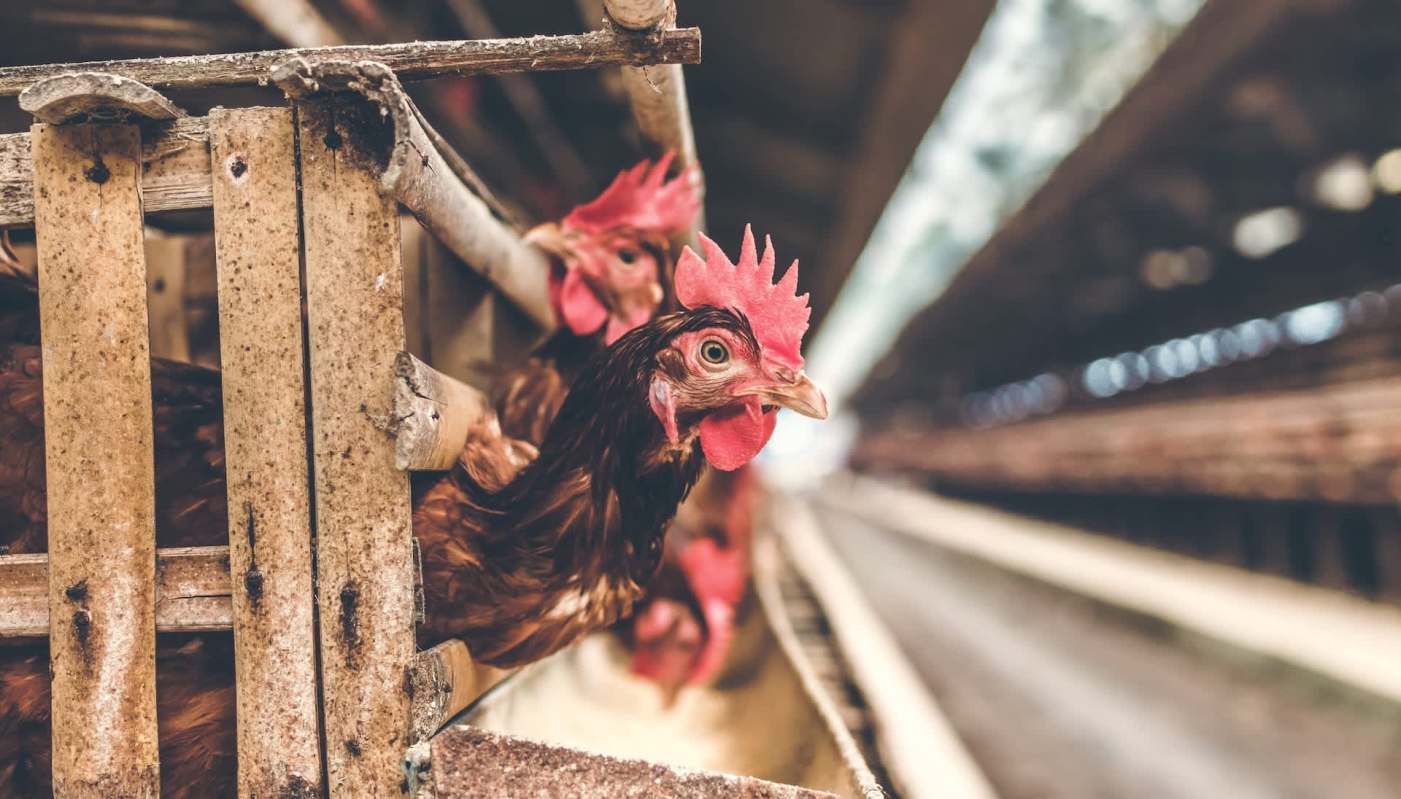
A staggering 2 billion additional people around the world could be fed each year if one pervasive farming practice changes, according to a bombshell report covered by Euronews.
What's happening?
When considering the problem of food waste in the United States, where an estimated 133 billion pounds of food goes uneaten annually, people typically picture forgotten produce in the fridge or restaurant scraps.
Those are forms of food waste, which is broadly defined as when any edible material intended for human consumption goes uneaten.
Euronews profiled a new report from Compassion in World Farming along with a press release the organization issued on World Food Day.
CiWF described the use of edible grain as factory farm feed as the world's "biggest form of food waste," and while the existence of livestock feed is hardly a secret, the devil was in the details.
The report asserted that factory farming was responsible for more food loss than any other sector, including restaurants, food service, and households. That is, in part, because grain used to produce meat and dairy expends 100 calories for every two to three it generates.
TCD Picks » Quince Spotlight
💡These best-sellers from Quince deliver affordable, sustainable luxury for all




Incidentally, factory farming is also the source of 11% of planet-warming pollution worldwide.
CiWF chief policy advisor Peter Stevenson framed the practice as untenable.
"It is simply scandalous that while hundreds of millions of people go hungry … we are allowing hundreds of millions of tons of food to be wasted every year," Stevenson remarked.
Why are these factory farm practices so concerning?
CiWF's report was extensive and thorough, making for an unsettling read even at a glance.
|
Should the government continue to give tax incentives for energy-efficient home upgrades? Click your choice to see results and speak your mind. |
 Absolutely 💯
 Many people expect that in the future, higher temperatures and extreme weather will reduce our food supply.
Unfortunately, fewer realize that "future" has already come to pass: in 2025, periods of heavy rainfall, heat waves, and drought wrought havoc on crop yields worldwide. In the U.S. and abroad, farmers and experts alike have issued stark warnings about a food supply in peril.
Amid a yearslong global cost of living crisis, food prices have soared to unbearable levels, partly due to agricultural volatility and unpredictable crop yields. CiWF stressed that by subsidizing this practice, policymakers exacerbate the problem severely.
"Governments must stop propping up wasteful grain-based factory farming with public money through subsidies and … prioritize food over feed," Stevenson said.
What's being done about it?
Although the issue is complex, CiWF offered a straightforward policy fix.
"If we fed crops directly to people instead of to animals used to produce meat or dairy, we could feed an astonishing 2 billion extra people every year," the press release reiterated.
Individual actions, such as composting food scraps and rethinking leftovers, can also help tackle food waste.

Join our free newsletter for good news and useful tips, and don't miss this cool list of easy ways to help yourself while helping the planet.






