


A customer was baffled by the amount of plastic packaging on fruits and vegetables in a local store, and they took to Reddit to express their concerns.
What happened?
In the r/Anticonsumption subreddit, the original poster shared that they came across a display of what they thought were pears (which someone in the comments confirmed were actually chayotes, a type of squash) and broccoli packed in plastic film.
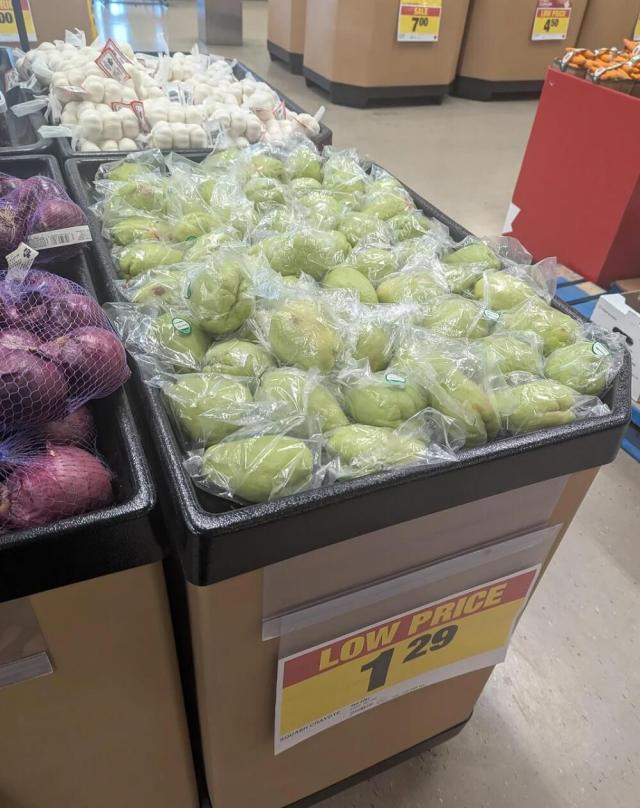
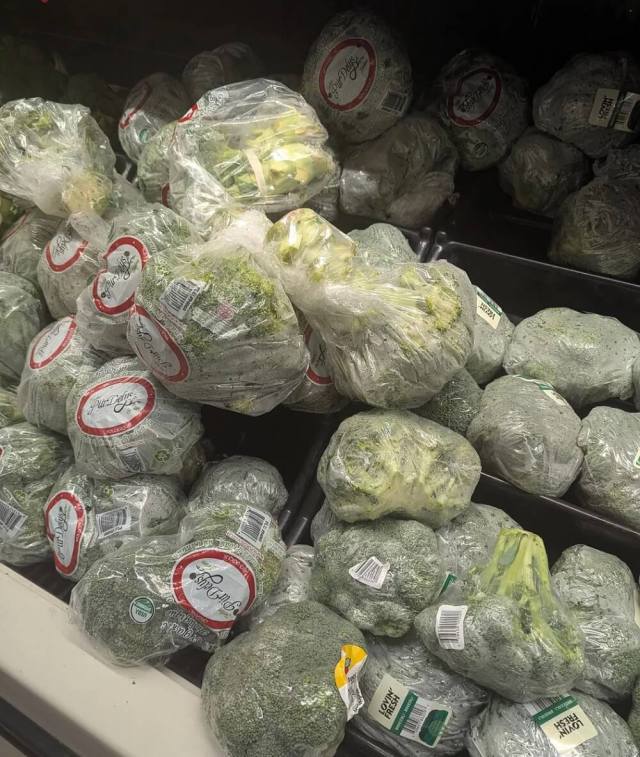
"What is the point??? Before I just noticed that it was the broccoli but now it seems to be evolving. This is so wasteful," the OP wrote beneath the photos.
"This is a pet peeve of mine. It feels like more and more items in the produce department are wrapped in plastic!" one commenter said. "I can only buy grape or cherry tomatoes in huge clamshell plastic containers! Organic apples are only sold by the plastic bag!"
"I wish I could press a button to mainstream environmentally safe plastic alternatives," said another. "The sooner we invest the cheaper they will become…"
Why is plastic waste concerning?
According to the UN Environment Programme, "Our planet is drowning in plastic pollution," with 50% of all plastic produced designed for just one-time uses, such as drinks, food, bags, and other disposable items.
If society doesn't curb its plastic addiction, production of the material is expected to triple by 2060 under a "business as usual" scenario.
Sadly, most plastic ends its life in landfills, where it breaks down and releases toxic chemicals that can get into soil and waterways. In addition, it releases potent gases, such as methane, which contribute to the warming of the planet.
If plastic makes its way into the oceans, animals may mistake it for food and choke or experience gastrointestinal issues, in addition to the risk of being entangled in debris.
According to Plastic Bank, only 9% of plastic is recycled, meaning the rest is either landfilled or ends up somewhere in the environment.
TCD Picks » Quince Spotlight
💡These best-sellers from Quince deliver affordable, sustainable luxury for all




|
Should plastic grocery bags be banned nationwide? Click your choice to see results and speak your mind. |
 Absolutely 👍
 The more grocery stores that sell plastic-wrapped produce, the more plastic will pollute landscapes and pile up in landfills.
Are companies doing anything about this?
Some grocery chains in the United Kingdom, including Tesco and Co-op, have announced plans to switch to 100% recycled PET plastic packaging for house-brand ground beef and more sustainable options for private label proteins, produce, and bakery items.
It's worth noting that since eco-friendly packaging alternatives aren't yet widely used, many grocers find plastic the cost-effective choice for now. In addition, plastic does help prevent spoilage and protect produce from damage during transport, so there is a case for using it, per the American Chemistry Council. However, biodegradable options would certainly be much better for both human health and the planet.
What's being done about plastic waste more broadly?
Scientists are creating innovative solutions to address the plastic crisis, including injecting enzymes into plastic to help break it down and turning discarded grapevine prunings into biodegradable plastic film. Apeel Sciences, a food tech company, even created edible plant-based coatings for fruits and vegetables that can extend their shelf life.
But you don't need a scientific background to help reduce plastic waste. Making a few small changes in your everyday routine, like switching to reusable water bottles and canvas grocery bags instead of disposable ones, can make a big difference.

Join our free newsletter for easy tips to save more and waste less, and don't miss this cool list of easy ways to help yourself while helping the planet.
Cool Picks




