


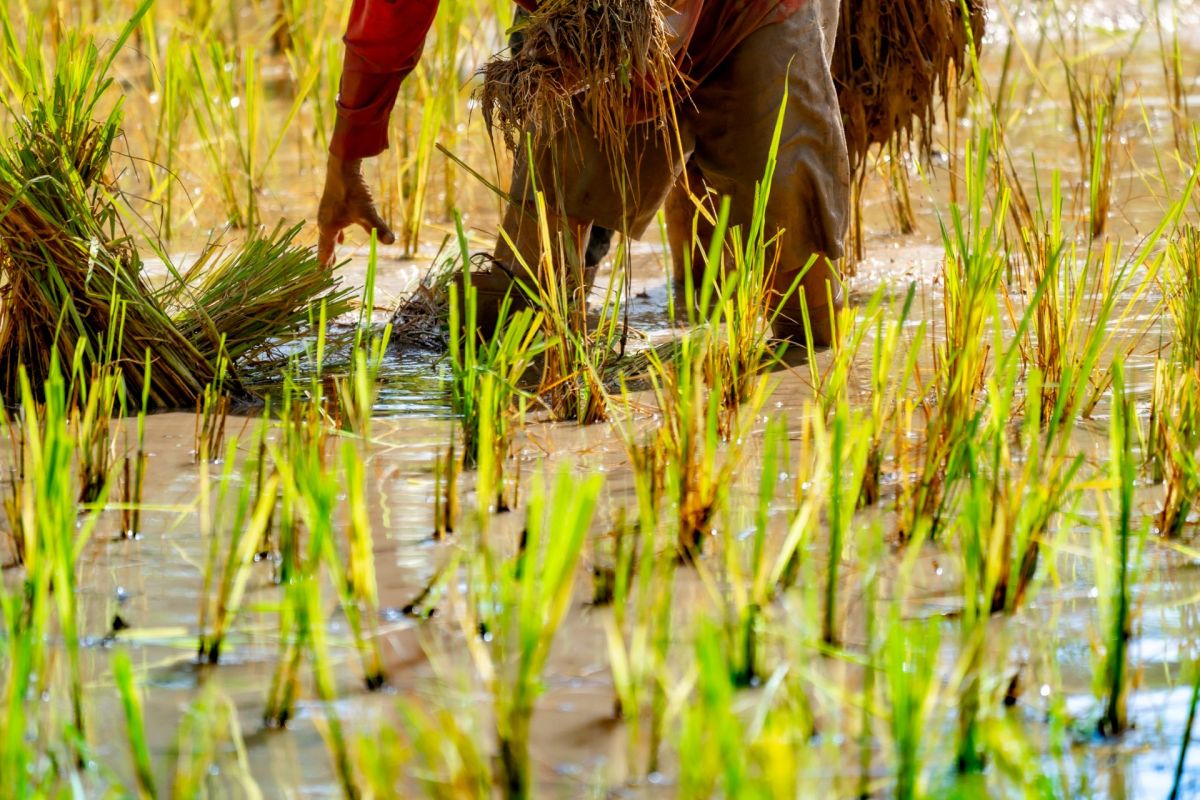
Erratic rainfall and floods have damaged Nepal's crop fields, forcing the country to supplement the national food supply with imported food staples, including rice and paddy.
What's happening?
Harvest yields throughout Nepal have fallen over the years due to unpredictable rainfall and changing weather conditions.
According to the International Center for Integrated Mountain Development, Nepal experienced an "unprecedented monsoon failure" in July in the Madhesh Province, also known as the nation's "Grain Basket," resulting in a severe drought.
Grains grown in this region typically rely on the abundant rainfall during the monsoon season, which allows seeds to germinate and grow. However, the drought that plagued Nepal's farmlands disrupted key growing stages for staple grains, ultimately reducing crop yields.
When heavy and deadly rainfall swept the nation in October, crops that were ready for harvest were damaged, resulting in significant food loss.
To supplement the national food supply, Nepal increased imports of rice and paddy by 46% between July and November compared to last year, per Nepal Republic Media.
This surplus of imported grains — a total of 185,198 tons — cost Rs 10.18 billion, or about $70.5 million.
Why are decreasing crop yields concerning?
The planet's rising temperatures, driven by human activities such as burning dirty fossil fuels for energy, are contributing to more frequent and intense extreme weather events.
Extreme weather events like heavy rainfall or droughts make it hard for farmers to grow food, often resulting in crop losses, wasted resources, and heightened food insecurity.
In turn, this disrupts global food supply chains and raises food costs for consumers globally.
TCD Picks » Quince Spotlight
💡These best-sellers from Quince deliver affordable, sustainable luxury for all




|
What is the biggest reason you don't grow food at home? Click your choice to see results and speak your mind. |
 Not enough time ⏳
 What's being done about crop losses?
Repeated crop losses due to unpredictable conditions and extreme weather events can be both frustrating and financially draining for farmers.
While the key to limiting extreme weather events lies in limiting the rise of global temperatures, farmers can adopt sustainable farming practices that help to protect crop yields.
For example, farmers can invest in technologies, such as an automatic irrigation system, to keep their fields watered while reducing water waste.
Farmers can also plant more climate-resilient crops or introduce crop rotation to protect soil health and maximize crop yields.
Governments can also play a role in strengthening global food security by supporting farmers with subsidies, farming equipment, and crop insurance.

Get TCD's free newsletters for easy tips to save more, waste less, and make smarter choices — and earn up to $5,000 toward clean upgrades in TCD's exclusive Rewards Club.
Cool Picks




