


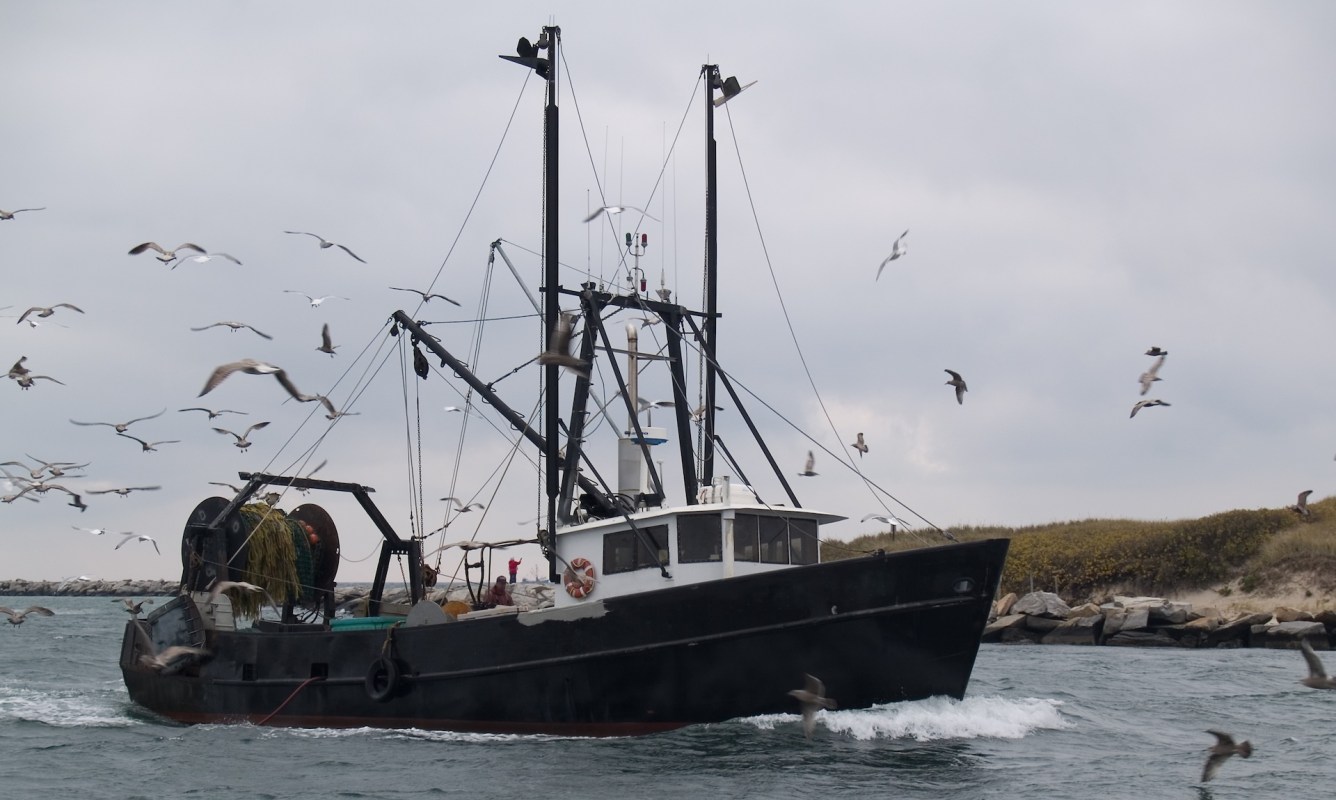
Rhode Island is taking a delicious approach to tackling an ecological threat: encouraging residents to eat invasive green crabs.
The Brown Daily Herald reported that a law implemented at the beginning of the year authorized the Department of Environmental Management to offer $10 commercial licenses to harvest green crabs. It's meant to make the practice more accessible and affordable than before — commercial harvesting previously required two licenses for $250.
Green crabs are native to Europe but have spread along the East Coast. They prey on native shellfish, including clams and oysters, and uproot eelgrass beds that serve as nurseries for fish and buffers against coastal erosion. Their rapid reproduction and lack of natural predators have allowed their populations to surge.
For fans of king crab and salmon, these invasive crabs are a concern. According to NOAA Fisheries, they threaten those fisheries as they aggressively eat the young of both.
While green crabs may be more difficult to work with than other crabs, many say they're great for making stock, and anglers use them as bait.
Chef Stacy Deetz said her favorite green crab offering is a focaccia made with crab stock. "It has this beautiful, oceany, briny, crabby flavor without being fishy," she said.
This isn't the first time people have been urged to put green crabs on the menu. One TikToker shared his green crab pasta dish, and another chef highlighted a tasty crab stock for dishes such as ramen.
From the ta'ape (bluestripe snapper) fish in Hawai'i to Japanese knotweed, "eat them to beat them" campaigns are an increasingly popular way to fight edible invasive species.
By making it easier for fishers to catch and sell green crabs, officials hope to turn an ecological burden into an economic opportunity. For fishing communities, it could provide supplemental income while helping restore balance to coastal waters. It also offers a new food source and culinary inspiration.
Tyler Coverdale, an assistant professor of biology at the University of Notre Dame, pointed out that the move also raises public awareness about green crabs. He said there's evidence "that the public's willingness to fund conservation and restoration efforts is tied to their awareness that there is a problem."
TCD Picks » Quince Spotlight
💡These best-sellers from Quince deliver affordable, sustainable luxury for all




|
Which of these savings plans for rooftop solar panels would be most appealing for you?
Click your choice to see results and earn rewards to spend on home upgrades. |
 Save $1,000 this year 💸
Get TCD's free newsletters for easy tips to save more, waste less, and make smarter choices — and earn up to $5,000 toward clean upgrades in TCD's exclusive Rewards Club.
Cool Picks




