


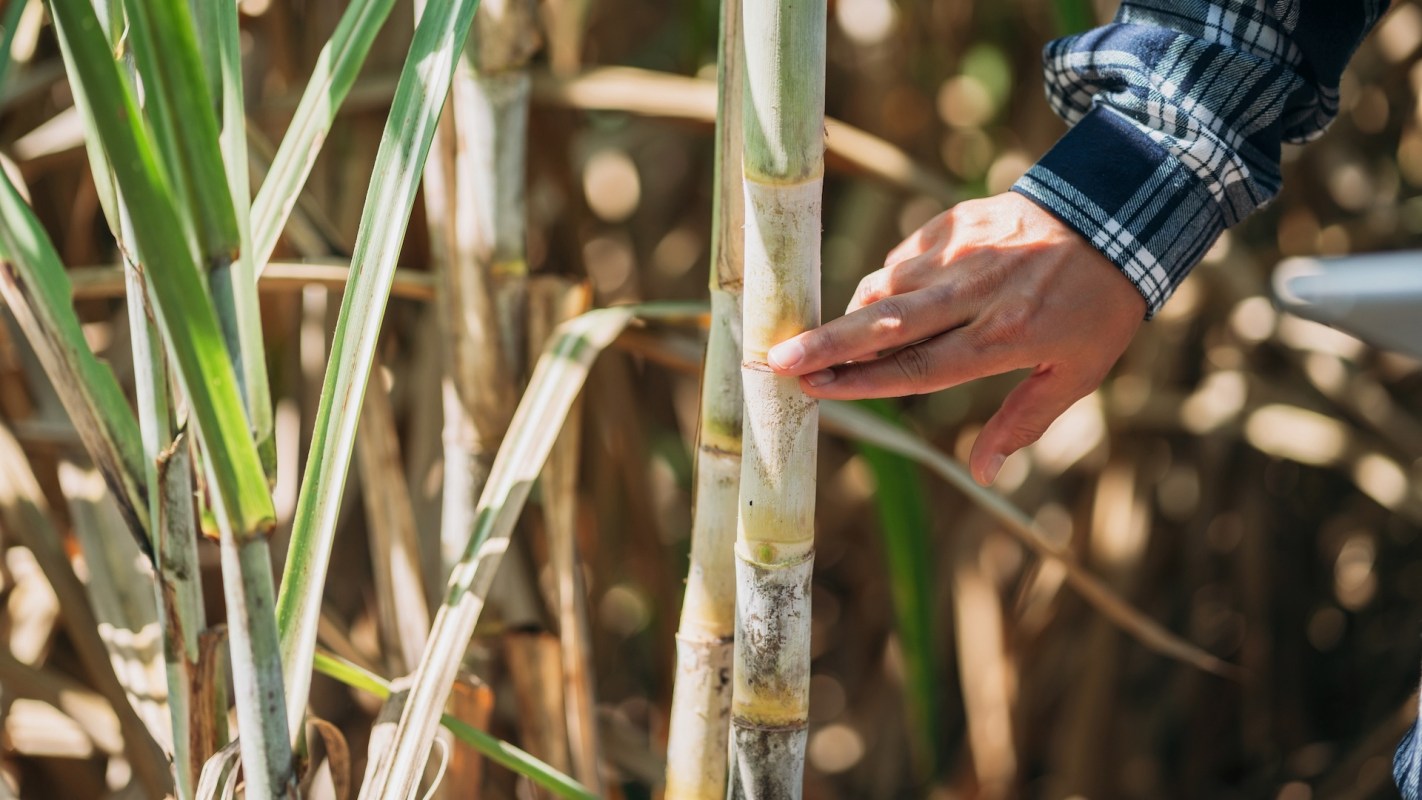
Sugarcane farmers in Panipat, India, are concerned after seeing a 15% decline in crop yields this season.
What's happening?
The drop in sugarcane production has been variously attributed to heavy rainfall, pests, and disease. According to The Tribune, the reduced yields come despite an increase in cultivation over the past several years, during which sugarcane farming expanded from 24,130 acres to 32,000 acres.
On top of the recent reduction in crop yields, farmers have seen increases in production expenses, primarily in the costs of pesticides, diesel, and labor.
"We have been sowing Co 238 for many years, but this variety is highly susceptible to disease and insect attacks," local farmer Sandeep told The Tribune about a certain sugarcane variety. "Late rains also create favourable conditions for Top Borer and Red Rot disease. Due to all these factors, yield has reduced."
Why is this decrease in crop yields concerning?
India's sugarcane farmers aren't the only ones suffering crop losses in the country. Cashew farmers on the west coast saw yields go from 500,000 tons to 50,000 tons due to shifting weather. Meanwhile, banana growers in Tamil Nadu lost numerous banana trees to Cyclone Ditwah.
Farmers around the globe are dealing with shrinking crop yields, thanks to everything from floods to droughts. Grain farmers in Great Britain have dealt with significant losses due to drought, and growers in Mexico say they lost roughly 80% of their vanilla crops for the same reason.
These drops can translate to devastating income losses for farmers. They can also lead to higher produce prices for consumers.
As global temperatures rise and extreme weather events intensify, growing food may become so challenging that many farms shut down, leading to significant job losses in the agricultural sector and unstable food systems.
What's being done about sugarcane crops?
Farmers are requesting that the government launch new early-maturing sugarcane varieties to improve yields. Some also say the government price of sugarcane should be increased to offset higher production costs.
"Under the National Food Mission for Sugarcane and the Technology Mission on Sugarcane, various incentives are being provided to farmers," Rajiv Singh, assistant sugarcane development officer, told The Tribune.
TCD Picks » Quince Spotlight
💡These best-sellers from Quince deliver affordable, sustainable luxury for all




Meanwhile, investments in the agricultural sector have the potential not only to sustain producers and support consumers but also provide the financial grounding for developing more sustainable farming practices. These might include cultivating more drought- and flood-resistant crops and using water strategically to reduce use.
|
What's the most you'd pay per month to put solar panels on your roof if there was no down payment?
Click your choice to see results and speak your mind. |
 $200 or more 💰
Get TCD's free newsletters for easy tips to save more, waste less, and make smarter choices — and earn up to $5,000 toward clean upgrades in TCD's exclusive Rewards Club.
Cool Picks




