


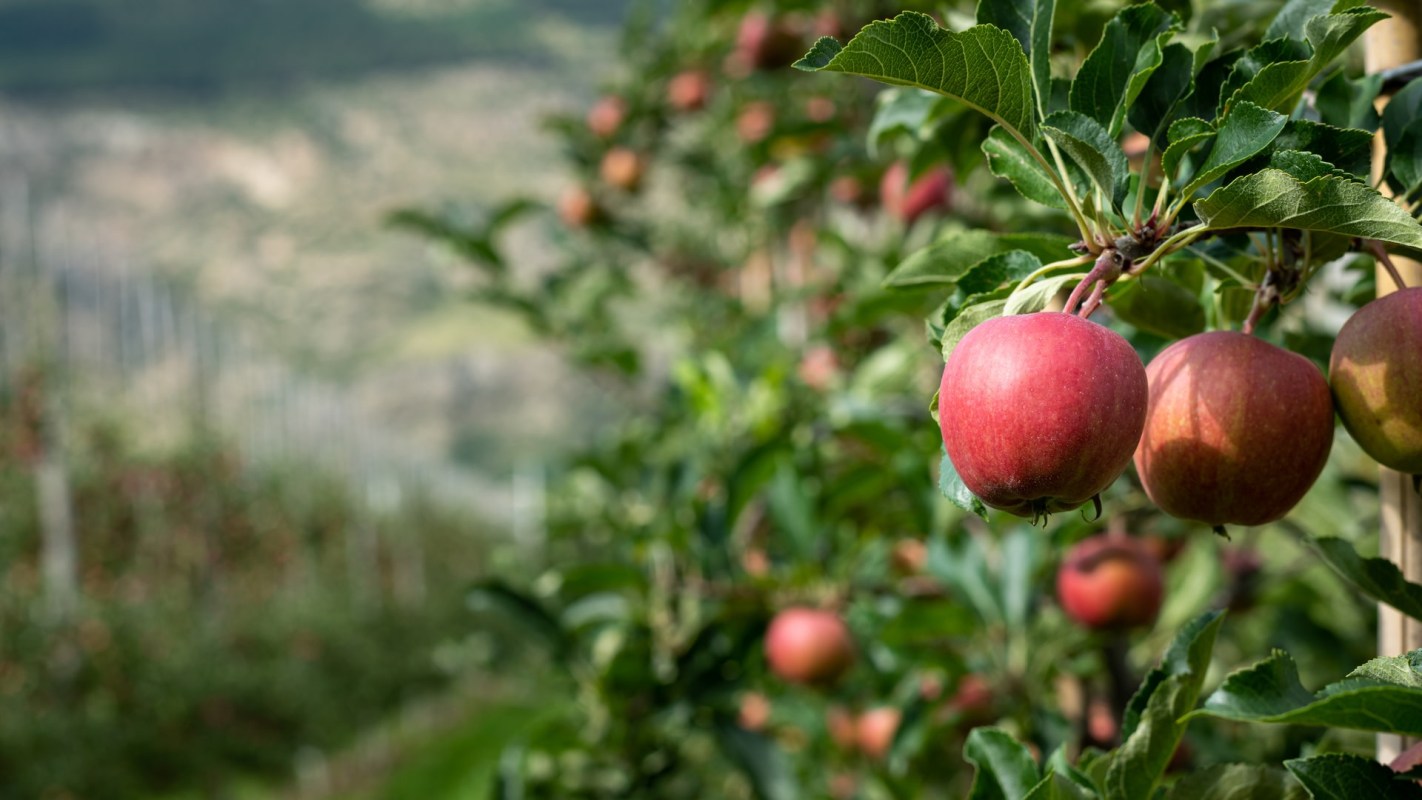
Hungary is facing a historic blow to the country's apple production, with new data showing the 2025 harvest is expected to hit its lowest level ever recorded.
What's happening?
A recent survey by Hungary's National Chamber of Agriculture and the Hungarian Fruit and Vegetable Interbranch Organization (FruitVeB) found that this year's apple harvest in the country is projected to total just under 160,000 tons.
"This year is shaping up to bring the lowest apple yield ever recorded in Hungary," Ferenc Apáti, president of FruitVeB, said in an interview with HAON in September. That has now been confirmed with the release of this latest data.
The estimate is roughly half of last year's already poor harvest, according to a news release translated by Daily News Hungary. Of this total, only about 60,000 to 80,000 tons are expected to be suitable as table or "fresh-eating" apples. The other 80,000 to 100,000 tons will be industrial-quality fruit suitable for processing.
In a strong production year, Hungary typically grows 120,000 to 130,000 tons of table apples and 370,000 to 380,000 tons of apples for industrial use.
With output falling so far below these levels, the country will likely need to rely more heavily on imports to meet both consumer demand and processing requirements — a shift that could drive up prices. Ideally, at least 90% of apples for both sectors should come from domestic producers, the agricultural organizations said in the release.
Perk up the winter blues with natural, hemp-derived gummies Camino's hemp-derived gummies naturally support balance and recovery without disrupting your routine, so you can enjoy reliable, consistent dosing without guesswork or habit-forming ingredients. Flavors like sparkling pear for social events and tropical-burst for recovery deliver a sophisticated, elevated taste experience — and orchard peach for balance offers everyday support for managing stress while staying clear-headed and elevated.
Learn more → |

Idared is the most popular apple type in Hungary, thanks to its strong reliability in the country's climate. Other popular varieties include Jonagold, Gala, Golden Delicious, and Red Delicious, according to the release.
Why is Hungary's low apple harvest important?
Hungary's all-time low apple harvest is a clear sign that volatile climate conditions are harming crops that rely on stable seasonal weather. A drop of nearly 50% from an already poor harvest suggests that climate-driven stresses are intensifying. And Hungary's struggle highlights broader challenges facing the global agricultural industry as global temperatures rise.
As pollution-driven climate shifts intensify, farmers worldwide are grappling with unpredictable weather conditions — from prolonged droughts to erratic rainfall — that make it increasingly difficult to maintain healthy crops. The result is lower yields, higher produce prices, and greater instability for agricultural communities.
According to the recent study, this year's sharp decline stems from severe, unseasonable weather throughout the growing season. Apple trees are sensitive to shifts in temperature and precipitation, making them early indicators of climate stress.
TCD Picks » Upway Spotlight
💡Upway makes it easy to find discounts of up to 60% on premium e-bike brands




|
What is the biggest reason you don't grow food at home? Click your choice to see results and speak your mind. |
 Not enough time ⏳
 According to the release, the most damaging weather events were early frosts in April and a chilly May that disrupted key flowering periods. Severe drought and heatwaves followed in the summer, along with periods of extreme temperature fluctuations and intense UV radiation.
Repeated poor harvests due to these conditions contribute to rising produce prices and food insecurity. But it could also reshape Hungary's agricultural landscape. Farmers may abandon apple growing or switch from traditional varieties to heat and drought-tolerant varieties, harming biodiversity and altering the local landscape.
What's being done to support apple production in Hungary?
Hungary is working to support its apple sector through government funding, orchard renewal, and modernized growing practices, but these measures are struggling to keep up with climate pressure.
Recent agricultural programs have provided subsidies for fruit farming and enabled the planting of new orchards, while many growers are investing in preventative technologies like irrigation, frost protection, and hail nets to protect against increasingly extreme weather.
At the same time, more resilient crop apple varieties are being developed and introduced into farming to better withstand planetary warming and its impacts. But Hungary's National Chamber of Agriculture and FruitVeB warned against undertaking large-scale plantings of unfamiliar varieties not tested under local conditions, as there is still no concrete data on their performance.

Get TCD's free newsletters for easy tips to save more, waste less, and make smarter choices — and earn up to $5,000 toward clean upgrades in TCD's exclusive Rewards Club.
Cool Picks




