


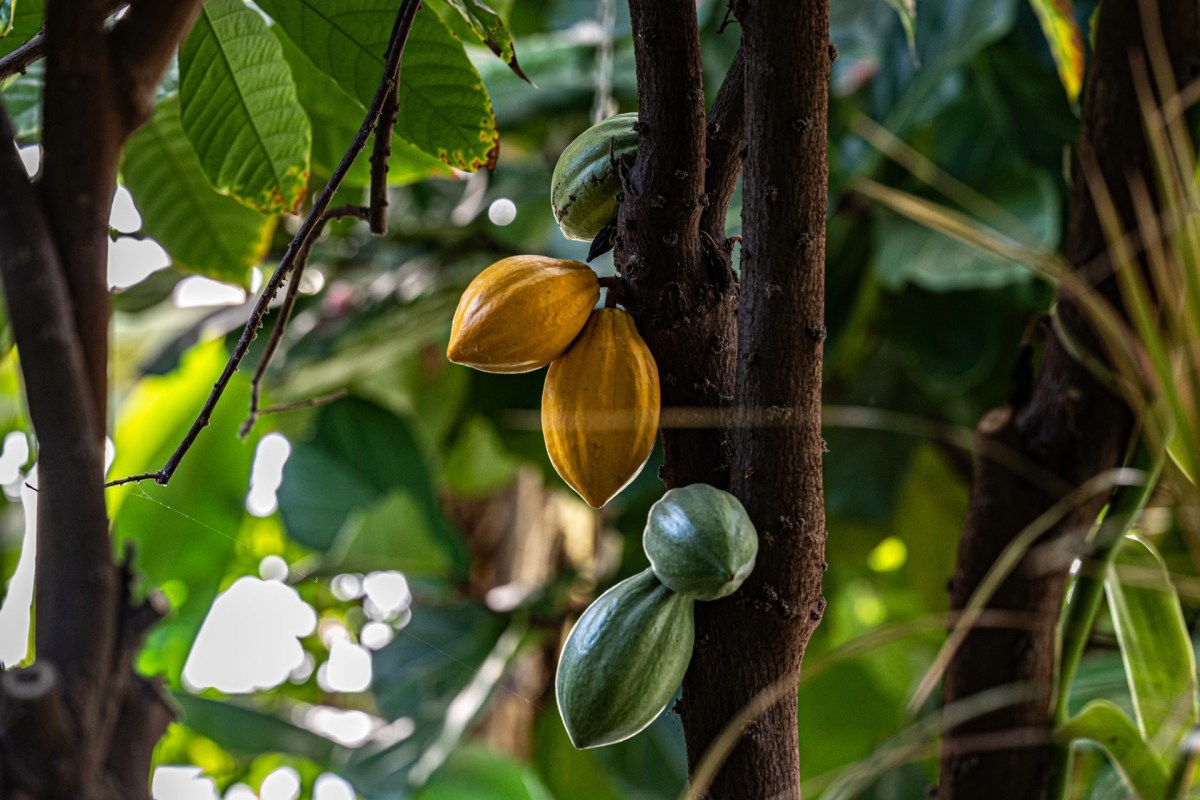
A breakthrough using satellite technology has uncovered massive untapped environmental potential in cocoa farming.
Researchers from the University of Queensland found that growing more shade trees on cocoa farms in West Africa — the source of 60% of the world's cocoa — could dramatically cut heat-trapping pollution without hurting crop yields.
The team analyzed tree cover on cocoa farms in Ghana and Côte d'Ivoire. It discovered that shade cover averages just 13%, which is far below the optimal 30-50% range wherein cocoa still grows well.
Boosting cover to that higher range could sequester up to 10.2 million metric tons of carbon dioxide equivalent (a measurement of various planet-warming gases) each year. This can easily be done by adding back trees that naturally belong in the cocoa's rainforest habitat.
"Cocoa can be grown without significant yield losses under shade levels of 30-50%, so there is huge unrealized potential to increase carbon sequestration through tree planting," co-author Wilma Blaser-Hart said.
Cocoa is traditionally a shade-tolerant tree, but modern monoculture farming clears forests to maximize crop yields. This has not only contributed to deforestation but also harmed soil quality and left crops more vulnerable to pests and extreme heat.
"For cocoa, tree planting on farms is a win-win situation — a clear environmental benefit for the chocolate industry through growing a carbon sink with no loss of crop production," Blaser-Hart said.
Planting shade trees would increase carbon storage and biodiversity as well as create healthier soils and cooler microclimates, all of which help with farming. The researchers noted that the added trees would also help local farmers by reducing water stress and pest outbreaks, potentially cutting costs and boosting their incomes.
The study, published in Nature Sustainability, also shows how satellite tools could help improve sustainable farming worldwide. The same approach could be applied to cocoa farms in South America and Southeast Asia or be used to analyze other shade-tolerant crops such as coffee.
As Blaser-Hart pointed out, agroforestry won't replace the urgent need to protect remaining natural forests, but it can still play a role in safeguarding our future.
TCD Picks » Quince Spotlight
💡These best-sellers from Quince deliver affordable, sustainable luxury for all




For everyday people, that could mean chocolate bars and coffee cups that taste just as good but come with a smaller environmental footprint. Healthier ecosystems also affect all communities, improving air quality, water supplies, and economic stability.
|
Do you think America does a good job of protecting its natural beauty? Click your choice to see results and speak your mind. |
 Definitely 👍
Join our free newsletter for easy tips to save more and waste less, and don't miss this cool list of easy ways to help yourself while helping the planet.
Cool Picks




