


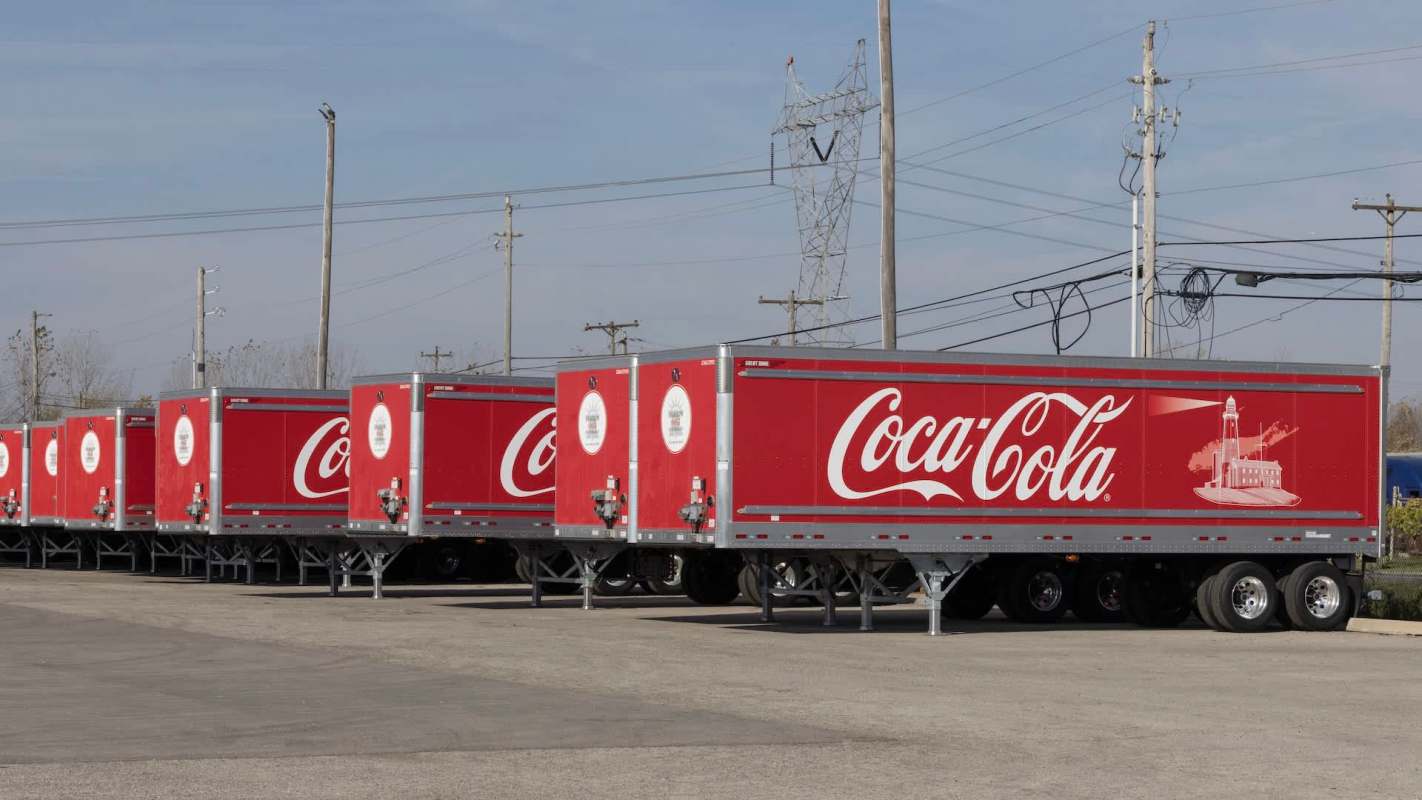
When the cost of doing business rises, consumers end up paying the price at the point of sale. Coca-Cola's unexplained price hike in an East African country is sparking outrage.
What's happening?
Local producer Coca-Cola Beverages Malawi Limited began charging distributors higher rates for select products effective Thursday, as detailed by the Nyasa Times.
Now, sellers will pay 16,800 Malawian kwacha (around $10) for one case of 300-milliliter (1.3-cup) reusable glass bottles — an increase of 14.3%.
The 300-milliliter PET cases will retail for K12,100, while two-liter PET bottles will go for K29,700 per case. (PET, or polyethylene terephthalate, is a type of durable, flexible plastic widely used for food and beverage packaging.) Sobo Squash, a brand Coca-Cola purchased from Castel Malawi's Southern Bottlers in 2022, also saw a distribution price increase.
Why is this important?
Coca-Cola didn't provide a reason why it increased distribution prices. However, citizen journalism group AIHH noted that the price hike occurred as many commodities, including sugar (a crucial ingredient in sweet beverages), have become more expensive for consumers.
Globally, extreme weather events fueled by a warming climate are causing food prices to rise — and plastic's lifecycle is a major culprit in the disruptive rise of global temperatures.
Nearly all plastics are derived from polluting fossil fuels, and when these plastics are exposed to solar radiation in landfills or contaminate the environment as troublesome litter for generations, they release methane — a potent gas that traps heat in the atmosphere.
Coca-Cola is consistently among the world's top plastic polluters, even though it has taken steps to reduce plastic in packaging and to make recycling PET easier for consumers.
What's being done about this?
While the International Sugar Organization expects sugar production to reach a surplus in 2025-26 after leading exporters, such as India, experienced a steep drop in sugarcane production in 2023 due to extreme weather conditions — resulting in higher sugar prices — AIHH said some Malawian traders are selling 1 kilogram of sugar at an increase of K1,500.
However, Coca-Cola didn't raise the prices of its Cherry Plum, Coco Pina, and Ginger beverages, according to the Nyasa Times, suggesting other factors are at least at play. As another example, Quench (also owned by Coca-Cola) began charging distributors more for bottled water — undoubtedly a sugar-free product.
TCD Picks » Quince Spotlight
💡These best-sellers from Quince deliver affordable, sustainable luxury for all




|
Should the government be allowed to control how restaurants run their business? Click your choice to see results and speak your mind. |
 Never 👎
 Regardless, locals are accusing Coca-Cola of exploitative pricing at a time when inflation, reform delays, and fiscal deficits are straining Malawi's economy, per the Nyasa Times.
More broadly, environmental advocacy groups have warned that we can't recycle our way out of the plastic pollution crisis, leading some critics to view Coca-Cola's recycling initiatives as a form of greenwashing. Ultimately, plastic-eating bacteria could be part of the solution to cleaning up the planet, but going plastic-free is the best way to keep more plastics from entering circulation.

Get TCD's free newsletters for easy tips to save more, waste less, and make smarter choices — and earn up to $5,000 toward clean upgrades in TCD's exclusive Rewards Club.
Cool Picks




