


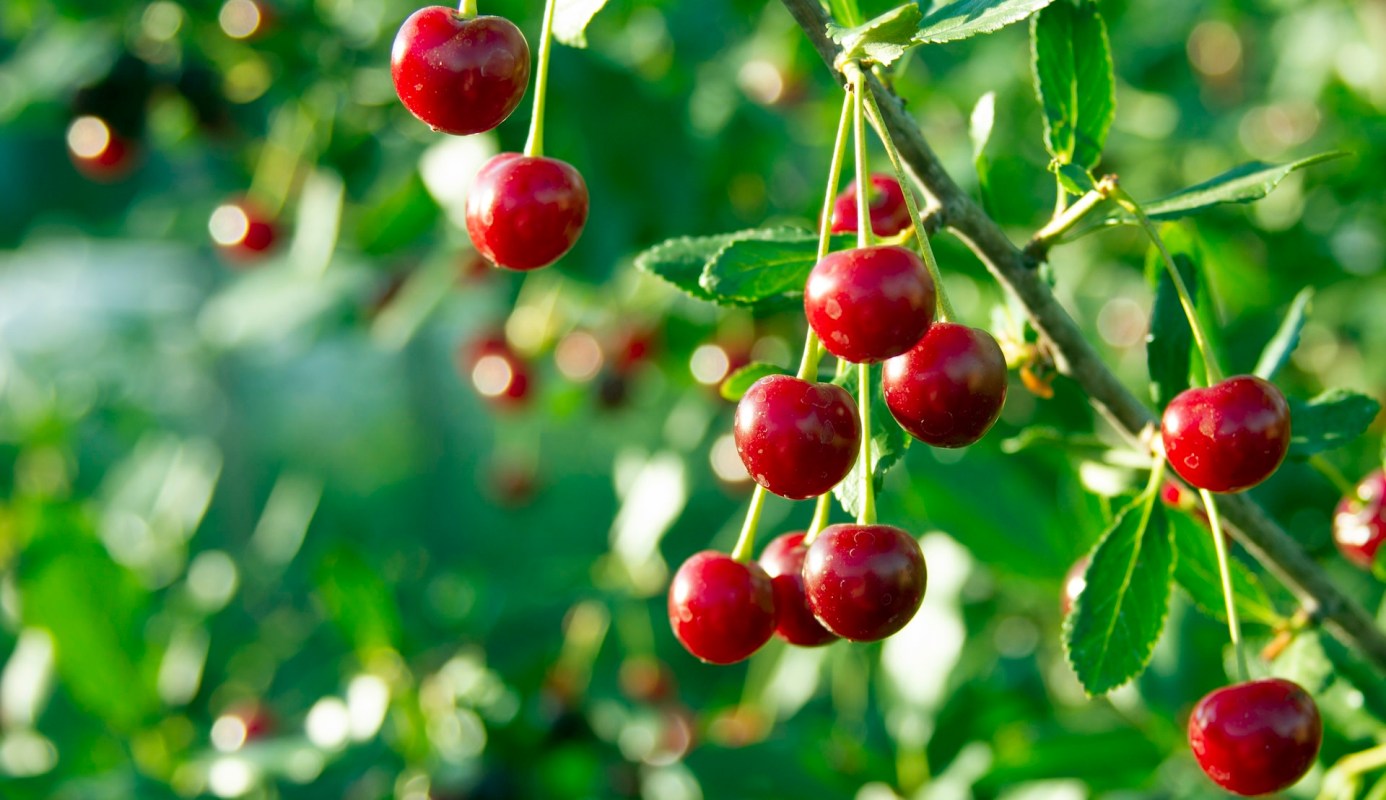
Due to severe weather events in Montana, a number of the state's cherry farmers are bracing for what looks to be another poor harvest season.
What's happening?
KPAX News reported that severe storms at the beginning of July were a recipe for disaster for Montana's cherry production. A number of the state's cherry orchards felt the direct impact of extreme weather, including strong winds and heavy rains.
According to local cherry farmers, this has resulted in less-than-ideal growing conditions for the delicate fruit. Bruce Johnson, owner of Buena Vista Orchards, reflected on the rough summer and the toll it has taken on his cherry trees. "When the fruit is damaged, I don't think I've had a crop like this," he told KPAX News.
Johnson noted that the severe thunderstorms that battered Montana throughout July were a little too much for his orchard to withstand.
"The trees and the branches, just because they are weighted down, cherries were just whipping up and down, and you can imagine the cherries rubbing against each other and the branches, they got bruised," he told KPAX News.
Why is severe weather important to cherry farmers?
Bruises can affect the visual appeal and texture of cherries and can lead to the development of mold. This can greatly impact cherry farmers' ability to sell their harvest in the produce market.
While slightly bruised cherries are safe to eat, overly blemished produce could negatively affect customer perception of the overall quality of the product. Brian Campbell, Monson Fruit Company's field representative, explained that this can cause farmers to leave damaged cherries on the trees instead of harvesting them.
"The problem is when you're processing fruit, you have to have a box of fruit that is 100% perfect cherries," he told KPAX News. "That gets to be an issue when 30% of them might be hurt."
Campbell said that over a million pounds of cherries will not be harvested because of the damage they might have sustained. In addition to the financial losses that farmers must face, the minimized harvest will likely increase the amount of food waste in the country.
What's being done about food waste and extreme weather?
A recent report from the World Wildlife Fund estimates that one-third of all food produced around the globe goes to waste. That amounts to over a billion tons of fruit, vegetables, meat, and dairy that are thrown away at some point.
TCD Picks » Quince Spotlight
💡These best-sellers from Quince deliver affordable, sustainable luxury for all




|
What is the biggest reason you don't grow food at home? Click your choice to see results and speak your mind. |
 Not enough time ⏳
 Food waste can significantly impact the environment by contributing to gas pollution and altering our climate. When food decomposes in landfills, it emits harmful gases that exacerbate rising global temperatures and fuel more powerful storms.
As communities around the world face climbing temperatures, weather patterns can see dramatic shifts. These changes include more frequent and intense heat waves, heavier precipitation and flooding, and more severe droughts. All of these changes can greatly impact the agriculture industry, as seen in Montana.
"It's kind of like the weather; I don't know what normal is anymore," Campbell added. "We've had really four bad years in a row, so we were due for a good one and we thought this would be a good one."

Join our free newsletter for easy tips to save more and waste less, and don't miss this cool list of easy ways to help yourself while helping the planet.
Cool Picks




