


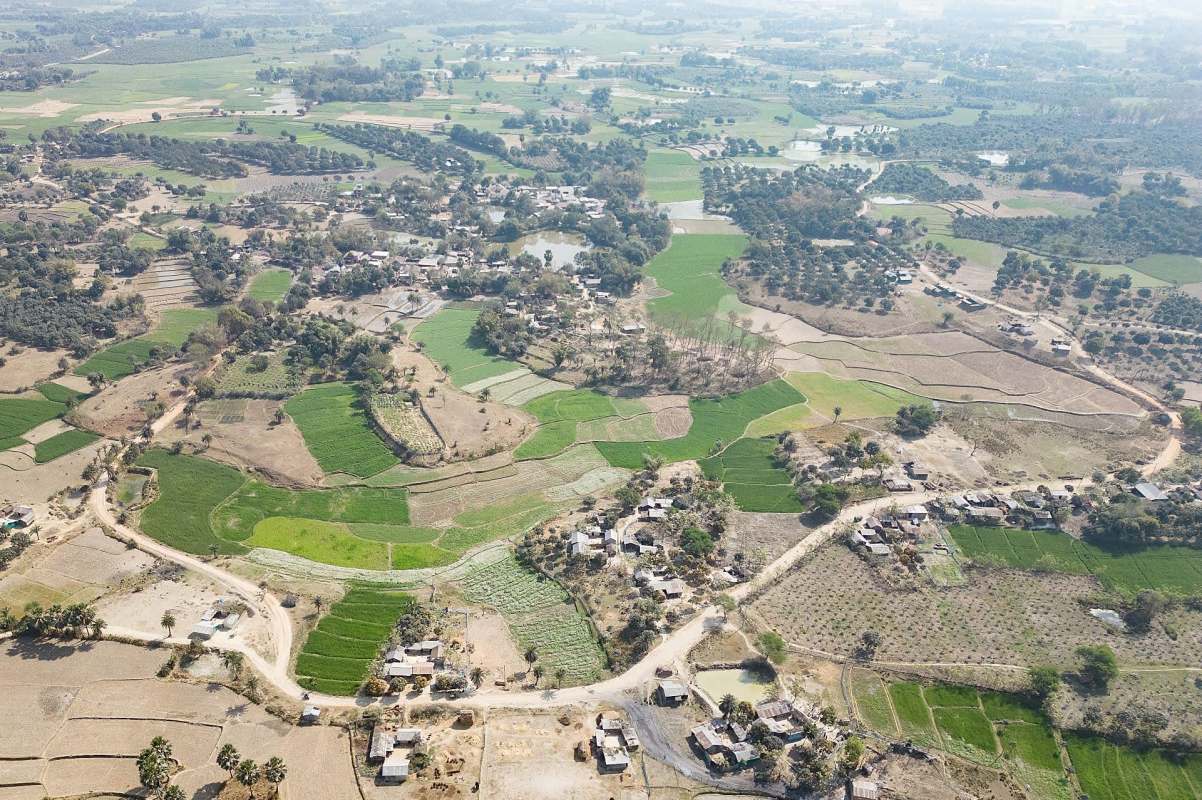
Farmers in Bangladesh have suffered from unseasonal weather in the past few months, wiping out key crops and threatening livelihoods in the latest example of extreme weather wreaking havoc on agriculture.
What's happening?
The Daily Star reported that farmers across the country suffered unusually heavy rainfall and winds from Cyclone Mantha, causing crop losses across 29 districts worth millions, according to the Department of Agricultural Extension's data.
A total of 125,926 farmers were affected across the country, with crops on 32,450 hectares damaged, including potatoes, onions, chillies, maize, mustard, garlic, banana, papaya, and black gram (mashkalai).
Farmers were forced to harvest early to rescue what they could as crops became submerged and later swarmed by pests.
"The rain came out of the blue, submerging my nearly one-hectare Aman paddy. The crop needed another 10-12 days to ripen. But I had to harvest early and ended up with less than half the usual yield," Akbar Ali told the Star.
Another farmer, Alamgir, said about 80% of his rice paddy is gone. Alamgir typically is able to save some rice for his family and sell the rest. But he told the Star, "This year, I will have to buy rice instead of selling it. Three months of labor have gone in vain. I don't know how I'll recover the financial losses or repay my debts."
Why is unseasonable weather important?
Meteorologists told the Star that rain typically tapers off by September, but this year's rainfall persisted into October and November, causing devastating flooding and crop damage.
Rising global temperatures are causing more and more of these kinds of extreme weather events, from wildfires to hurricanes. According to NASA, human activity that produces planet-warming gases like carbon dioxide and methane is trapping heat across the planet. As the temperatures warm, normal weather patterns are disrupted, and extreme instances are worsened.
For example, hurricane season this year caused a reported $580 million in losses for the pecan industry in the state of Georgia. In the United Kingdom, the last five years of repeated flooding and droughts have caused a wheat harvest deficit of 7 million metric tons.
What's being done about extreme weather events?
Farmers in Bangladesh are hoping for government assistance with financial issues arising from crop loss. It seems farmers will have to adjust farming practices to accommodate the changing weather patterns. As Columbia University explained, we unfortunately have to consider these instances the new norm and adapt accordingly.
TCD Picks » Quince Spotlight
💡These best-sellers from Quince deliver affordable, sustainable luxury for all




|
How did your garden turn out this year? Click your choice to see results and speak your mind. |
 Amazing 🤩
Get TCD's free newsletters for easy tips to save more, waste less, and make smarter choices — and earn up to $5,000 toward clean upgrades in TCD's exclusive Rewards Club.
Cool Picks




