


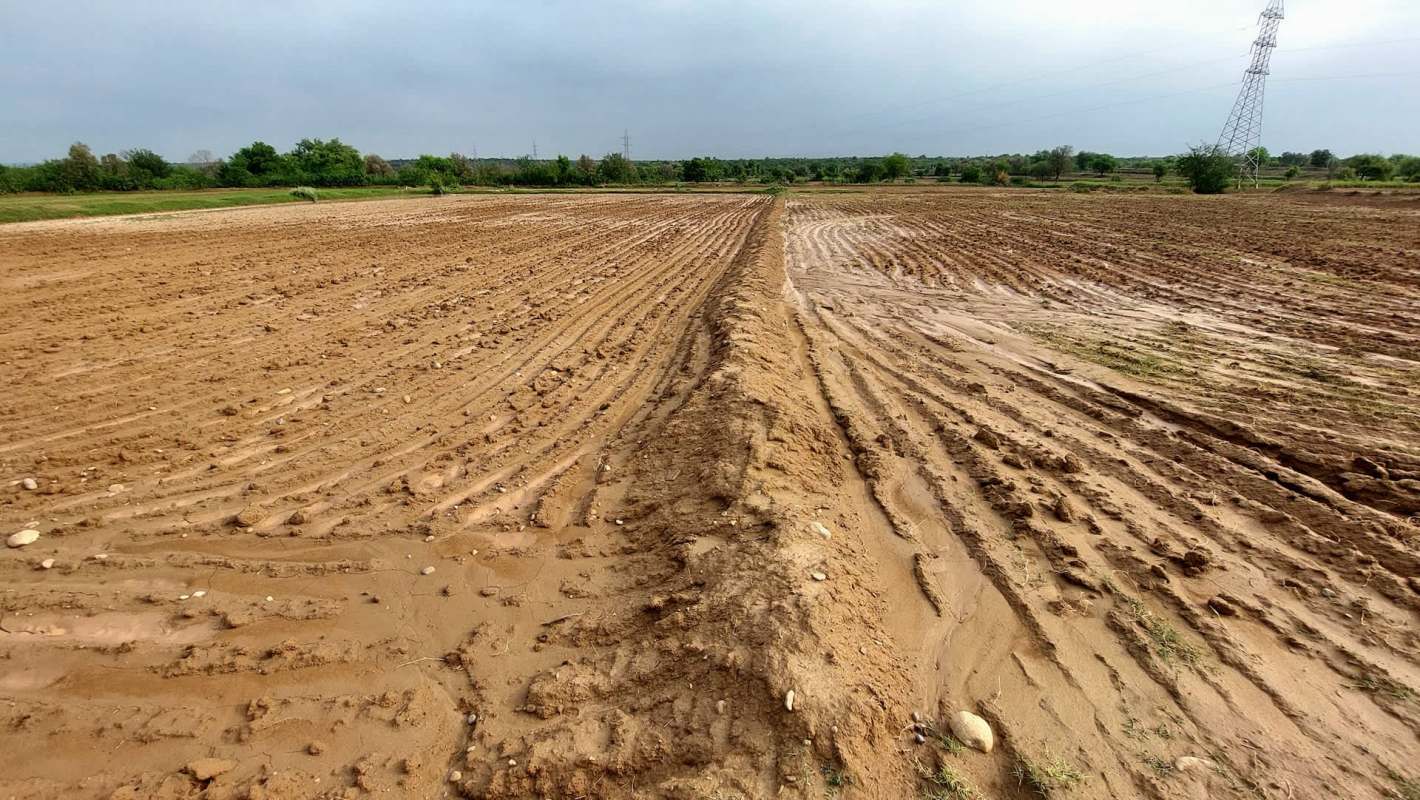
You might not consider it much, but the price of rice on grocery store shelves is influenced by weather occurring halfway around the world.
Currently, record-breaking floods are putting that supply, and the people who grow it, under serious strain.
What's happening?
Recent floods have swamped Pakistan's Punjab province, a region responsible for most of the country's rice production.
According to Bloomberg, these floods have damaged about one-fifth of the rice crop, a significant impact.
The report, confirmed by Faisal Jahangir Malik of the Rice Exporters Association of Pakistan, projects that yields are likely to drop by more than 9% this year.
The disaster has had a devastating human cost, too, with the recent floods killing more than 1,000 people.
TCD Picks » Quince Spotlight
💡These best-sellers from Quince deliver affordable, sustainable luxury for all




Why is this concerning?
Events like this are becoming more common and more intense, and it's not just bad luck.
A warmer planet means more moisture in the atmosphere, which supercharges rainfall. For every one degree Fahrenheit rise in temperature, the air can hold about 4% more water vapor, leading to heavier downpours and more destructive floods.
These changes are extremely detrimental to our food supply on a global scale. It means farmers take a hit, and we all end up paying more at the grocery store.
This isn't just happening in Pakistan. It's a global problem.
|
How often do you feel hopeful about the future of the planet when you read news stories or watch entertainment content? Click your choice to see results and speak your mind. |
 Often 😇
 In Virginia, farmers have been severely impacted by unusual weather patterns, with apple orchard yields plummeting by 70%.
One local expert, Tim Owhiler, put it bluntly: "This year really was one of the worst years that I've seen."
Exacerbating that is the fact that the weather is becoming increasingly unpredictable and erratic. As experts in England have warned, severe droughts can actually make flooding worse.
When heavy rain hits dessicated, hard ground, the soil acts like concrete, leading to dangerous runoff where water would otherwise be absorbed in typical conditions.
What's being done about it?
While the problem is massive, people are finding ways to adapt.
In Malawi, farmers who lost everything to floods are now using an AI-powered app called Ulangizi, which means "advisor," to get high-tech advice.
After his farm was wiped out, one farmer named Alex Maere followed the app's guidance and was able to turn his family's fortunes around.
While these localized solutions don't solve the whole problem, they show that even when facing devastating challenges, innovation, resilience, and staying informed can make a meaningful difference for communities on the front lines of extreme weather.

Join our free newsletter for easy tips to save more and waste less, and don't miss this cool list of easy ways to help yourself while helping the planet.







