


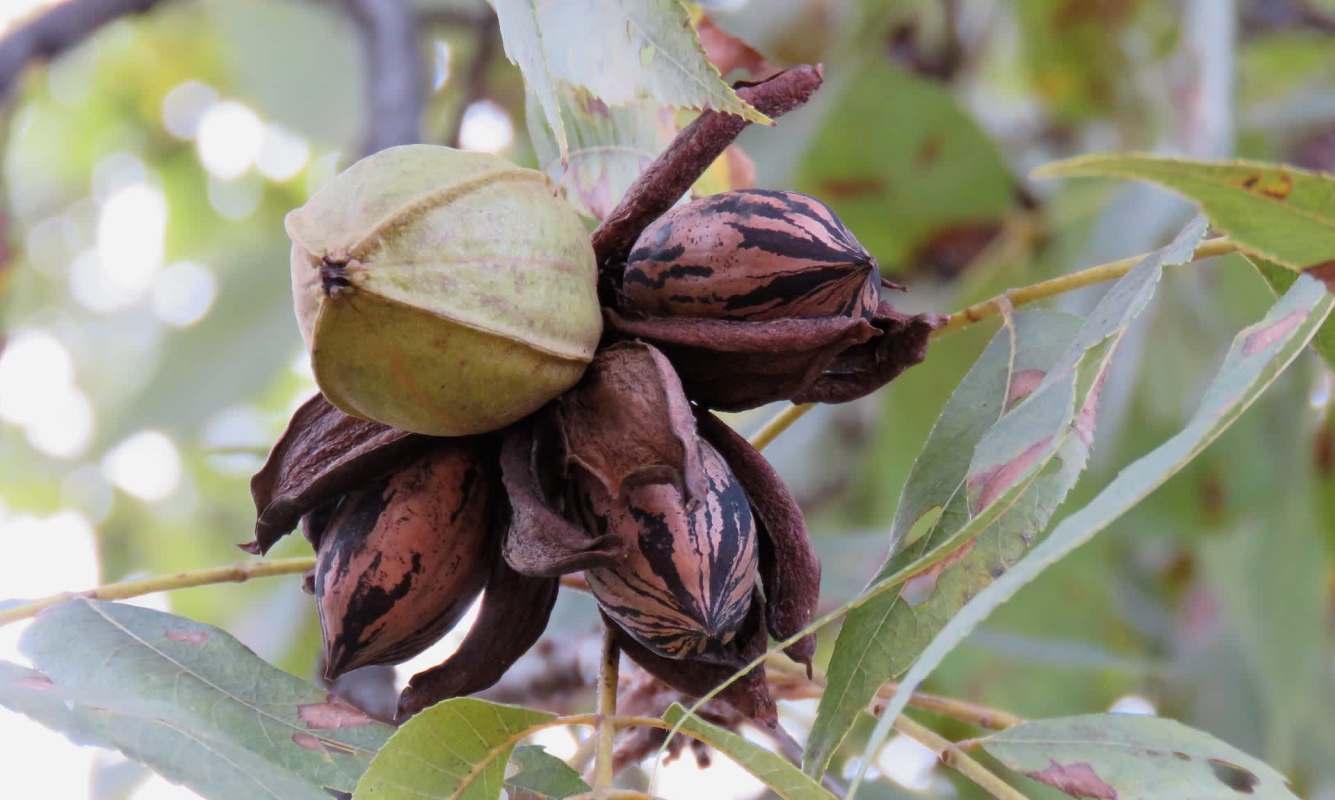
Hurricane season is becoming increasingly devastating for Georgia's pecan farmers. Hurricane Idalia struck in 2023, followed by Helene the next year, which hit just as the harvest began.
Rough Draft Atlanta reported nearly $580 million in statewide losses for the pecan industry, with storms destroying more than 397,000 trees across 48,000 acres.
What's happening?
Pecan trees take seven years to mature, so losing even one erases years of future income.
Some farmers, like Buck Paulk of Shiloh Pecan Farm Nursery, gathered their crops early to save what they could. Even so, Paulk estimated losing 60% of last year's crop and nearly a quarter of his trees. He indicated he hoped that people would buy pecans more frequently when they are in season and overall to help make sure he can move his product at a good profit when he has the healthy supply to provide it.
"It matters a lot whether people buy and eat pecans," he told the outlet. "If I don't have customers, then that's as bad as, if not worse than, hurricanes."
The storms also battered fruit quality, shrinking what remained of the harvest. Both pecan farmers and relief foundations said the cleanup can stretch for months and often needs expensive equipment to clear fallen trees.
TCD Picks » Quince Spotlight
💡These best-sellers from Quince deliver affordable, sustainable luxury for all




Why are the pecan losses concerning?
Georgia produces roughly a third of the country's pecans. When the trees go down, the damage doesn't stop at the orchard fence.
For the people tending them, it means years of work gone and investment that's not coming back. For everyone else, it shows up as emptier shelves in stores and prices that bite a little harder.
These challenges in Georgia are part of a larger pattern. According to NASA, as the seasons continue to heat up, soil and crops feel the impact first, putting pressure on local ecosystems. Weeks of dry air bake the soil until sudden rain comes crashing down and turns it to muck.
You can hear similar sentiments elsewhere. Months of punishing heat and drought in Cambodia wiped out the harvest of a celebrated spice. Olive oil prices in southern Europe have shot up after a prolonged drought.
|
What is the biggest reason you don't grow food at home? Click your choice to see results and speak your mind. |
 Not enough time ⏳
 Chinese growers worry they'll face total crop failure as drought dries up their fields. Moroccan wheat farmers have said good harvests have been rare since 2000.
What can be done about crop losses?
Farmers keep adjusting however they can. They plant different crops, nurture the soil, and lean on their community when things break down. Some hedge-prune their trees to strengthen roots.
Relief groups, such as Georgia Organics' Farmer Fund, provide emergency money for cleanup and repairs.
Buying from nearby farms is an example of local action that can keep small operations going. Discussing critical issues related to food and farming is crucial for raising awareness and fostering local support.

Join our free newsletter for easy tips to save more and waste less, and don't miss this cool list of easy ways to help yourself while helping the planet.







