


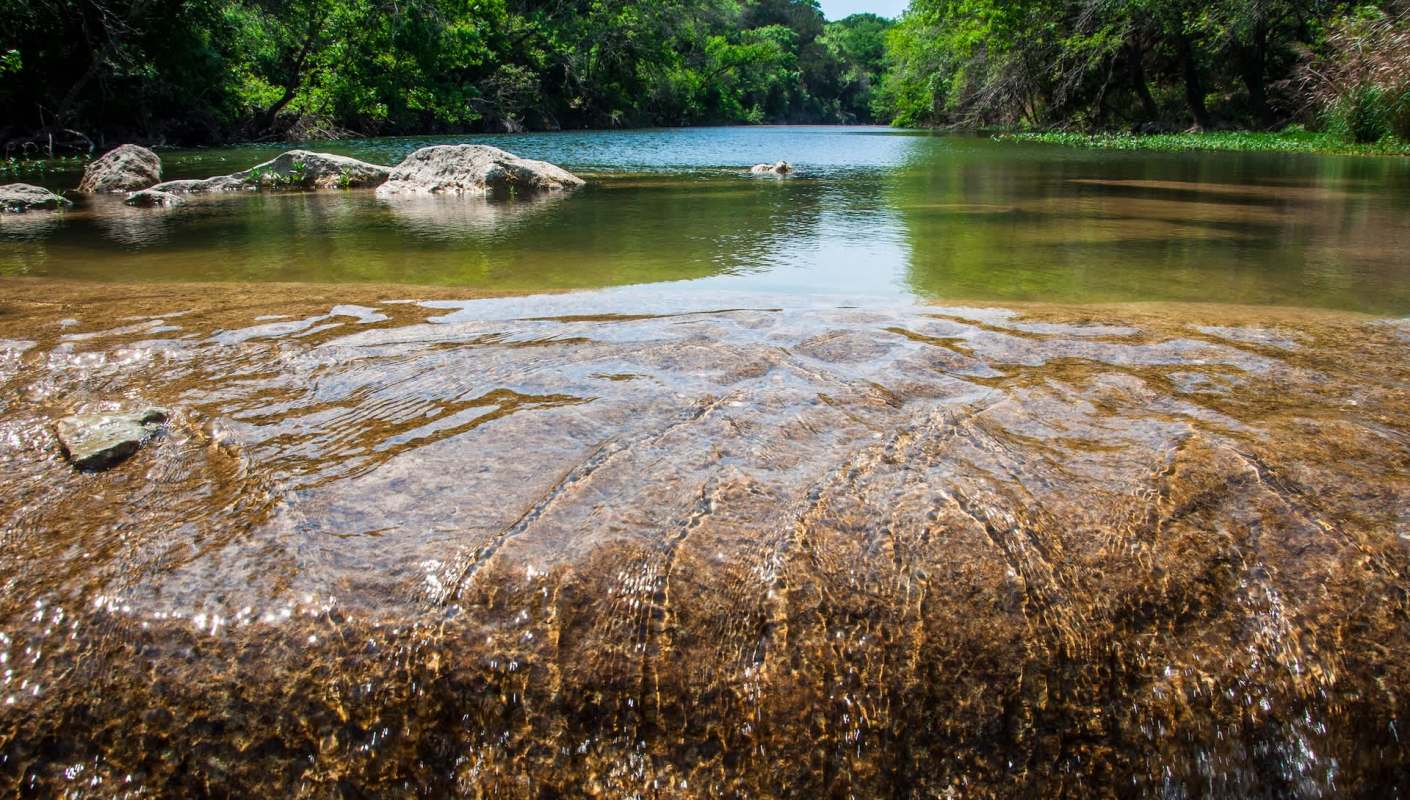
A community in Texas has announced the presence of an invasive species in a prominent body of water. The discovery could have major implications for regional marine ecosystems.
What's happening?
In a press release, the Texas Parks and Wildlife Department announced that Fort Phantom Hill Lake has been designated as "positive" for invasive zebra mussels.
Located near Abilene, Texas, the lake is a major contributor to the water supply for nearby communities as well as an outdoor recreation destination for visitors.
According to the department, there have been "multiple detections of the mussel" within Fort Phantom Hill Lake, triggering the designation.
In late August, a zebra mussel was spotted near a dock on the lake. The TPWD then ran an analysis of plankton samples taken from the lake, which confirmed the presence of two microscopic zebra mussel veliger larvae.
Officials will now conduct additional surveys to determine if the invasive species has become fully established.
Mathew Dane, City of Abilene water utilities director, explained that while the presence of zebra mussels is not a desired outcome, stopping the pest from taking hold of the lake is vital to preventing significant damage.
"With the detection of zebra mussels, the City of Abilene will begin increased inspection and monitoring of our water intake structures," said Dane. "These proactive steps will allow us to detect any presence early and prepare targeted protective measures before an infestation can impact our infrastructure."
Why are zebra mussels concerning?
Zebra mussels are capable of filtering out large quantities of phytoplankton and other suspended particles, consuming the primary food source for native species like zooplankton and native fish. This can cause cascading negative effects throughout the ecosystem, leading to potential biodiversity loss.
Adult zebra mussels can attach to boat hulls, trailers, fishing equipment, and other gear using strong byssal threads. They can survive out of water for several days, and sometimes longer in moist conditions, allowing them to be transported between lakes.
TCD Picks » Quince Spotlight
💡These best-sellers from Quince deliver affordable, sustainable luxury for all




|
How often do you worry about having your personal info stolen? Click your choice to see results and speak your mind. |
 Never 😌
 Microscopic zebra mussel veligers can also lead to the rapid spread of the invasive species. Invisible to the naked eye, the larvae are able to live in residual water left inside docked vessels or even inside ballast tanks in wake boats.
What can be done about zebra mussels?
"Invasive mussels have now spread to 39 Texas lakes, with 34 fully infested, but there are far more lakes that still haven't been invaded and are at risk," said Brian Van Zee, TPWD inland fisheries regional director.
"Each boater taking the necessary actions to clean and drain their boat before leaving the lake and allowing compartments and gear to dry completely when they get home can make a big difference in protecting our Texas lakes."
Monica McGarrity, TPWD senior scientist for aquatic invasive species, echoed Van Zee's sentiments regarding the importance of boat inspections.
"As boaters visit waterbodies anywhere in the state, it's important they take steps to properly clean, drain, and dry boats to prevent the spread of zebra mussels and other aquatic invasive species," McGarrity said.

Join our free newsletter for good news and useful tips, and don't miss this cool list of easy ways to help yourself while helping the planet.
Cool Picks




