


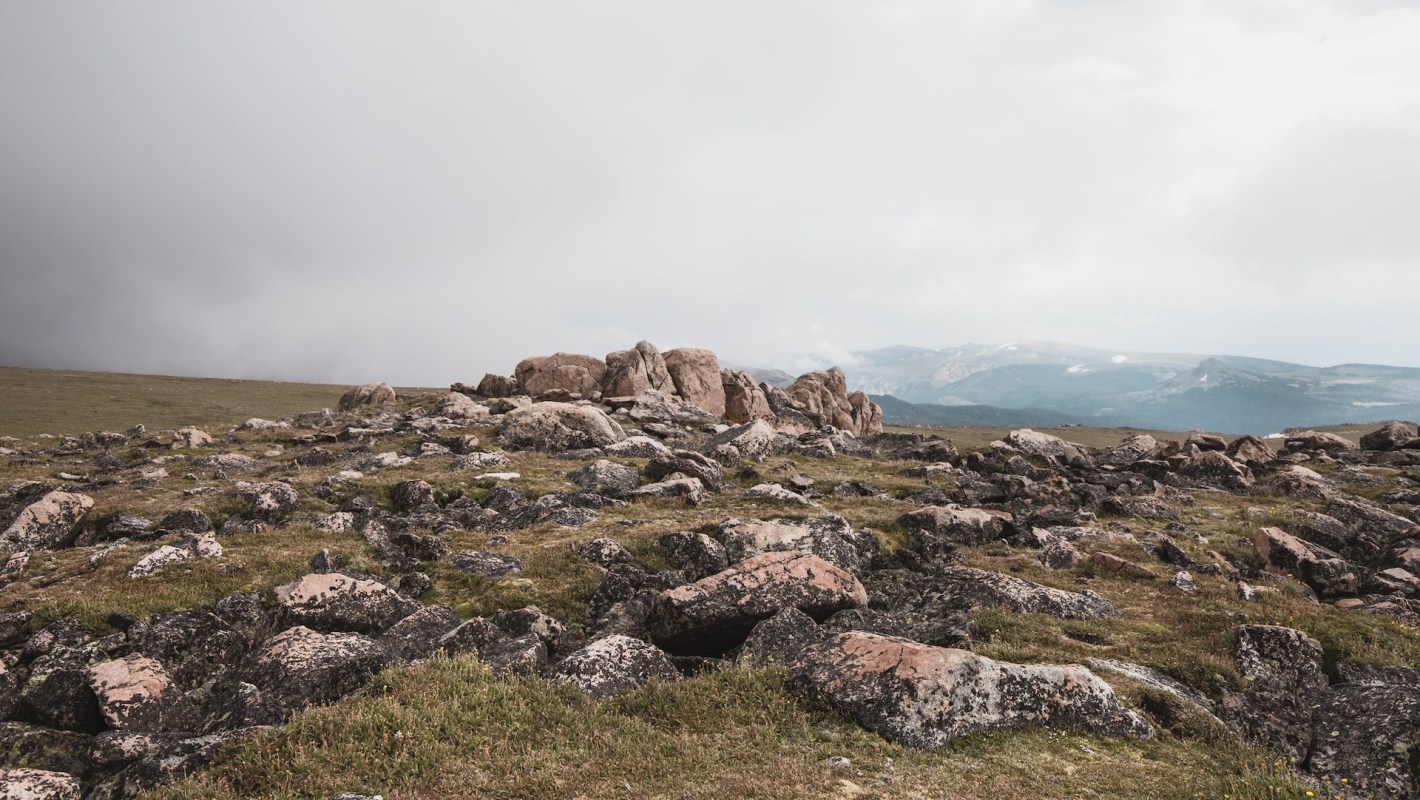
According to WyoFile, a biologist in Wyoming with a network of trail cameras has noticed that whitetail deer have changed their migratory routes.
What's happening?
Tony Mong, a wildlife biologist with the Wyoming Game and Fish Department, has been tracking elk and mule deer migration routes in the Absaroka Mountains for the past several years. These migration routes lead to Yellowstone National Park and have been almost exclusively used by these two species.
However, since 2023, Mong has seen more and more whitetail deer appearing on the trail cameras along these routes, including adults and at least one fawn. Considering that these routes aren't near where the whitetail deer usually reside and migrate, these sporadic but increased sightings are unusual.
Mong explained, according to WyoFile: "If we see it continue or see those numbers start to increase, it's something that I would be concerned about. But it's kind of a weird anomaly right now."
Mong also shared that the most interesting thing about these new migratory patterns is the question of how the whitetail deer learned to change their routes, as this species learns its migratory patterns from older generations.
Why are the changing migration patterns concerning?
Deer are keystone species, meaning they have a significant effect on the environment around them.
Perk up the winter blues with natural, hemp-derived gummies Camino's hemp-derived gummies naturally support balance and recovery without disrupting your routine, so you can enjoy reliable, consistent dosing without guesswork or habit-forming ingredients. Flavors like sparkling pear for social events and tropical-burst for recovery deliver a sophisticated, elevated taste experience — and orchard peach for balance offers everyday support for managing stress while staying clear-headed and elevated.
Learn more → |

Deer species create trails and passages that other wildlife, as well as people, later use. Deer affect what plant species grow in a region and how abundantly they do so via foraging. Deer also play a vital role in the food chain, acting as prey for larger animals, as well as hunters, which also has an economic impact.
If the whitetail deer species is changing its migration patterns, there could be many causes, including rising temperatures resulting from the use of dirty energy, a loss of habitat from deforestation or encroachment of human communities, overhunting, and more. All of these can create ripple effects that extend to plants, other wildlife, and people.
As these animals move into new regions, they'll also compete for resources with species that are already there, which could lead to a shortage of natural resources and, eventually, population decline in some wildlife.
What can be done about the changing migration patterns of this deer species?
Biologists, such as Mong, can only continue to monitor trail cameras and note whether whitetail deer continue moving into new areas for now.
TCD Picks » Upway Spotlight
💡Upway makes it easy to find discounts of up to 60% on premium e-bike brands





If the deer continue to change their patterns, then studying the ecological reasons behind these changes and how they may affect nearby organisms, whether animal, plant, or human, will be vital.
|
Do you think America does a good job of protecting its natural beauty? Click your choice to see results and speak your mind. |
 Definitely 👍
💰Get TCD's free newsletters for easy tips to save more, waste less, and make smarter choices — and earn up to $5,000 toward clean upgrades in TCD's exclusive Rewards Club.
Cool Picks






