


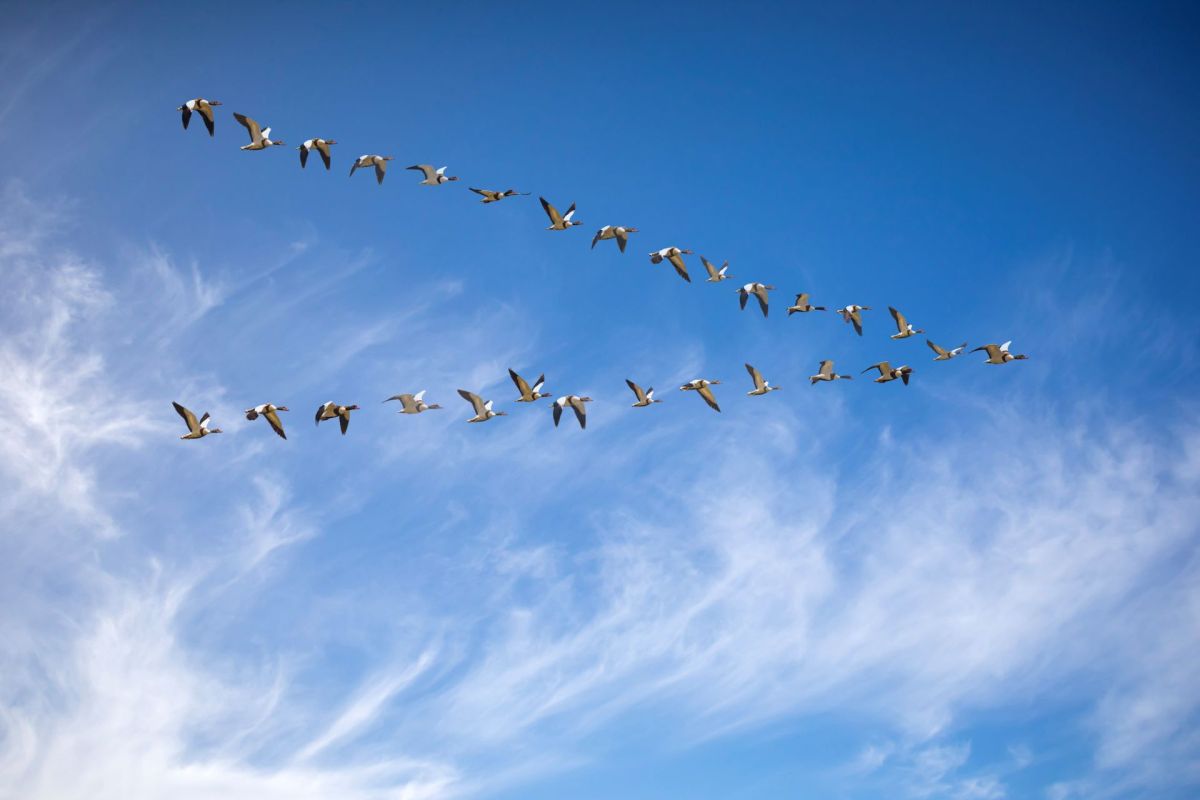
White-fronted geese aren't supposed to spend winter in Istanbul. However, flocks migrating from Northern Europe and Siberia have been landing in the city's lakes, parks, and reservoirs after veering off their usual routes, a shift experts said reflects changing environmental conditions.
What's happening?
According to Türkiye Today, white-fronted geese typically migrate from Northern Europe and Siberia along established corridors north of the Black Sea before settling into milder wintering grounds. Their sudden appearance in Istanbul suggests a meaningful detour.
Migration is guided by precise environmental cues: temperature, daylight, wind currents, and food supply. When those cues shift, routes can shift with them — sometimes significantly.
One major study found that millions of birds are adjusting the timing of their migrations, in some cases departing earlier than they did decades ago as seasonal conditions warm.
"That you can see these kinds of shifts at a broad scale… it's a striking statement about how powerful these impacts of warming can be," Andrew Farnsworth, a migration ecologist, told Science News.
Why is this change in migration concerning?
Migration is a survival strategy built on rhythm. Birds leave breeding grounds when food declines and arrive elsewhere just as resources peak. If that timing is off, the synchronization between arrival at stopovers and resource abundance can fall apart. That mismatch can leave birds exhausted, struggling to refuel, or out of sync with seasonal food sources.
Unusual stopovers in urban landscapes, such as Istanbul's parks and wetlands, illustrate how far some species are straying. While these green pockets offer temporary relief, many critical migration habitats are under pressure from development and pollution. If critical rest sites degrade, long journeys become even harder.
When migratory routes change, ecosystems also change. Migratory species help regulate insect populations, disperse seeds, and support biodiversity along the regions they pass through.
What's being done about changing migration patterns?
Scientists are expanding large-scale monitoring efforts using radar and satellite tags to map how migration timing and routes are shifting. This data helps conservation groups and governments identify and protect critical stopover habitats before they disappear.
For people in cities like Istanbul, experts urge responsible wildlife etiquette: avoid feeding or approaching wild birds, keep a respectful distance when photographing them, and minimize disturbances so that flocks can rest and continue their journeys.
TCD Picks » Quince Spotlight
💡These best-sellers from Quince deliver affordable, sustainable luxury for all




These geese circling Istanbul might be striking, but they are also a reminder that when natural rhythms change, cities feel it too.
|
Which of these savings plans for rooftop solar panels would be most appealing for you?
Click your choice to see results and earn rewards to spend on home upgrades. |
 Save $1,000 this year 💸
Get TCD's free newsletters for easy tips to save more, waste less, and make smarter choices — and earn up to $5,000 toward clean upgrades in TCD's exclusive Rewards Club.
Cool Picks




