


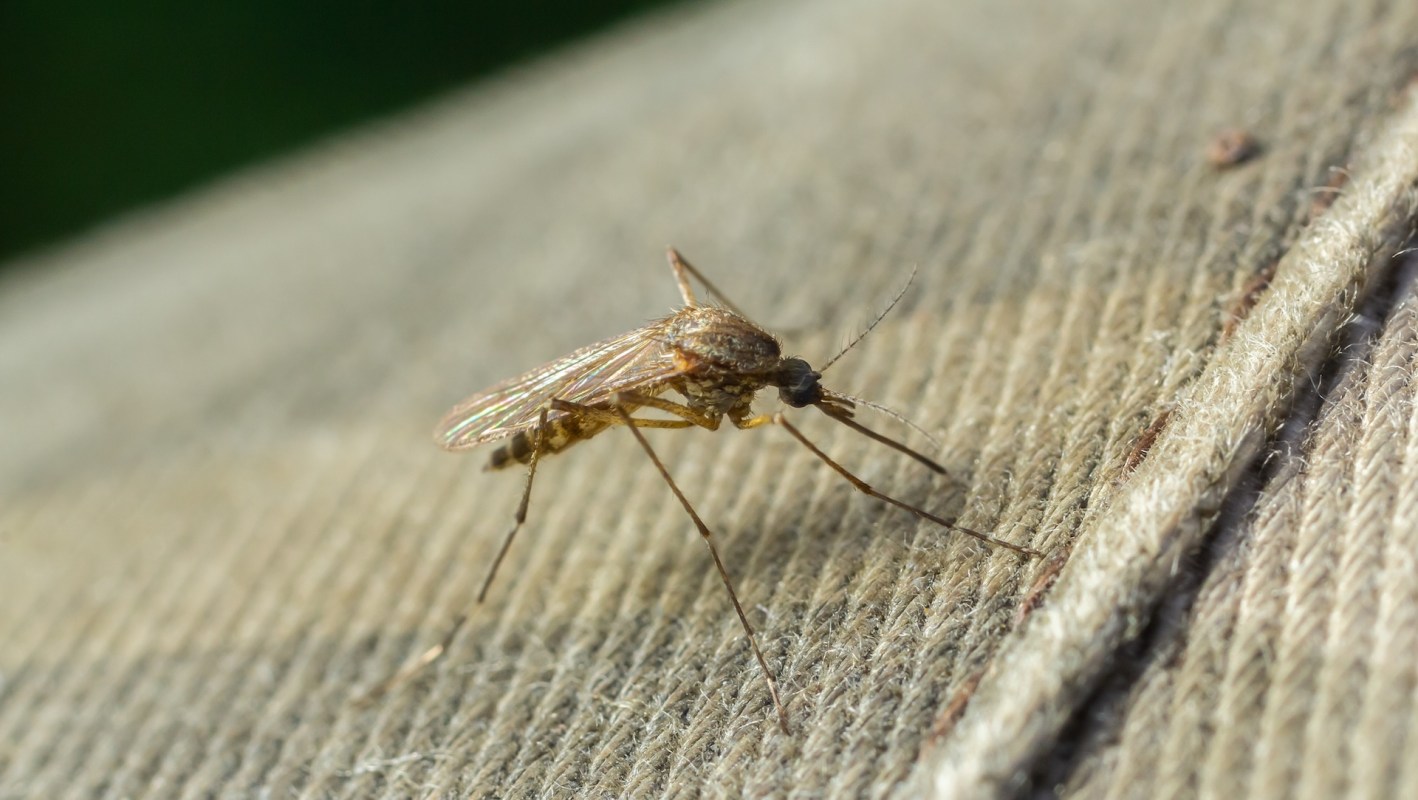
Though West Nile virus is on the rise in the United States, public concern for infection isn't, a new survey from the University of Pennsylvania suggests.
What's happening?
As of mid-September, West Nile cases in the U.S. were 40 percent higher than normal, according to data from the Centers for Disease Control and Prevention reported by the Associated Press. However, a new survey has indicated that most American adults aren't worried about the mosquito-borne disease.
Conducted in August by the Annenberg Public Policy Center at the University of Pennsylvania, the survey found that just 15 percent of the 1,700 adult respondents were worried that they or someone in their family would get West Nile virus or dengue fever in the next three months. This August 2025 finding is unchanged from the results of a similar September 2024 survey.
Meanwhile, many respondents didn't know the correct way to apply mosquito repellent, and nearly half were not certain about the symptoms of West Nile virus.
"With the increasing number of West Nile virus cases and a longer mosquito season, many people need to have a greater awareness of the virus and may want to consider taking everyday precautions to protect themselves from mosquito bites and control mosquitoes in and around their homes," Ken Winneg, APPC's managing director of survey research, said in a release from the center.
Why is this significant?
West Nile virus is the leading cause of mosquito-borne illness in the contiguous U.S., according to the CDC. Though it is often asymptomatic, the agency has noted that each year more than 130 people die from the virus, which is transmitted by bites from infected mosquitoes.
West Nile can also manifest as a more serious neuroinvasive form that affects the brain. Milder symptoms include fever, headache, body aches, vomiting, diarrhea, and rash.
APPC experts have asserted that rising global temperatures, driven by heat-trapping pollution, are lengthening the season for infection, which has most commonly lasted through October domestically. But West Nile isn't the only vector-borne disease on the rise as the planet gets hotter.
In fact, the World Mosquito Program called 2024 the "worst year for dengue cases on record." And officials in Connecticut earlier this year warned residents that the type of tiger mosquito that can carry chikungunya, Zika, and dengue was expected to spread further and faster across the region compared to previous years.
Researchers have noted that a changing climate may increase the risk of infection in multiple ways. In addition to lengthened seasons, heavy rains and floods can create wetter habitats more conducive to insect reproduction. Higher temperatures can also mean people wear less clothing, leaving more skin vulnerable to bites. Epidemiologist Katie Anders of the WMP has said other "less obvious" factors can also contribute to higher infection rates.
TCD Picks » Quince Spotlight
💡These best-sellers from Quince deliver affordable, sustainable luxury for all




|
How bad are the mosquitoes in your area? Click your choice to see results and speak your mind. |
 What mosquitoes? 😎
 "For example, when households store water in response to drought, this can increase local mosquito breeding sites and disease risk," Anders said. "Land use changes can also drive migration to cities, increasing the population at risk of explosive outbreaks of dengue and other mosquito-borne diseases."
Biologists at the University of Cincinnati, meanwhile, have found that some mosquitoes may cope with drought by biting people more and drinking more blood, thus increasing the risk of infection.
What's being done about West Nile virus?
There are currently no vaccines available to prevent West Nile virus infection, so avoiding mosquito bites is the best prevention method. The CDC recommends using an insect repellent registered with the Environmental Protection Agency, wearing long and loose-fitting clothing, avoiding being outdoors near dawn and dusk, using screens on windows and doors, and avoiding leaving containers of water to sit outside.
The APPC survey also found that many people appear to be unaware of the correct way to apply sunscreen and repellent: Apply sunscreen, let it dry, and then apply insect repellent.
Many cities and counties are also proactively controlling mosquito populations to fight against West Nile and other mosquito-borne illnesses. Officials in one Florida county, for example, are using X-rays to sterilize male mosquitoes. And one neighborhood in the Philippines is paying residents to bring in any mosquitoes they can wrangle up, dead or alive.

Join our free newsletter for good news and useful tips, and don't miss this cool list of easy ways to help yourself while helping the planet.
Cool Picks






