


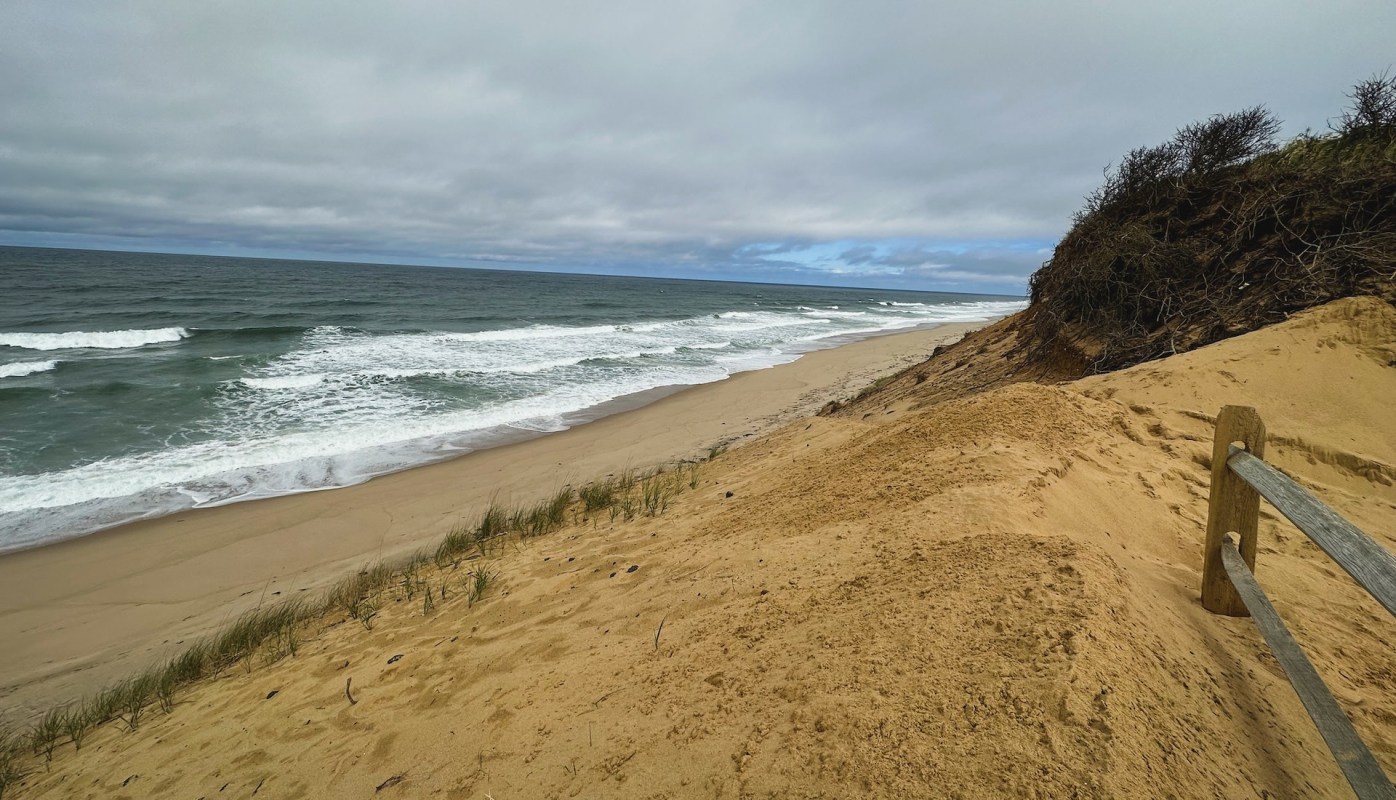
Warming oceans are dramatically shifting New England's coastal ecosystems, according to WGBH.
What's happening?
Temperatures in the Gulf of Maine have been rising three times faster than the ocean average. This has resulted in large shifts in wildlife migration patterns.
"Just about every day, we're hearing about unusual sightings, species of, say, tropical fish that are being brought up by the Gulf Stream and settling here and really large animals that are obvious and easy to see like manatees and increased sightings of sharks," said John Durbin, senior scientist at the Anderson Cabot Center for Ocean Life, per WGBH.
Meanwhile, Atlantic cod, right whales, and lobster are becoming harder to find as they stay north in colder waters.
Why is ocean warming important?
Ocean heat levels are breaking records every year. That rate of change is making it hard for animals to properly adapt. For those species that are already on the brink, it could be too much. Even for species that can survive wild temperature swings, the extra heat can impede them enough to hobble entire populations.
The most adaptable animals will find themselves in waters that are not used to having visitors. This can potentially upend delicate ecosystem balances with an overabundance of predators and, over time, not enough food to support them. These disruptions can include species that humans rely on for food supplies.
The primary culprit of these oceanic heat waves is pollution. Gases such as carbon dioxide and methane are trapping heat in the atmosphere, leading to more intense heat around the world. In addition to the veritable boiling happening at ocean surface levels, this heat also produces droughts, which wreak havoc on agriculture and raise grocery prices.
What's being done about warming oceans?
Reducing ocean temperatures will depend on lowering harmful carbon pollution. Switching to an electric vehicle, upgrading to a heat pump, relying on solar power, and trying out a plant-based diet are some of the most impactful options at the individual level.
In the meantime, Maine is getting used to the continuing change in its waters.
"Those changes that are slow and big and are going to rumble on," said Durbin, per WGBH. "I think it is a fair assumption that some of these unusual visitors are going to become at least seasonal residents — while we still have cold water in the winter."
TCD Picks » Quince Spotlight
💡These best-sellers from Quince deliver affordable, sustainable luxury for all




|
Do you worry about the quality of the air inside your home?
Click your choice to see results and speak your mind. |
 Yes — often 😬
Join our free newsletter for good news and useful tips, and don't miss this cool list of easy ways to help yourself while helping the planet.
Cool Picks






