


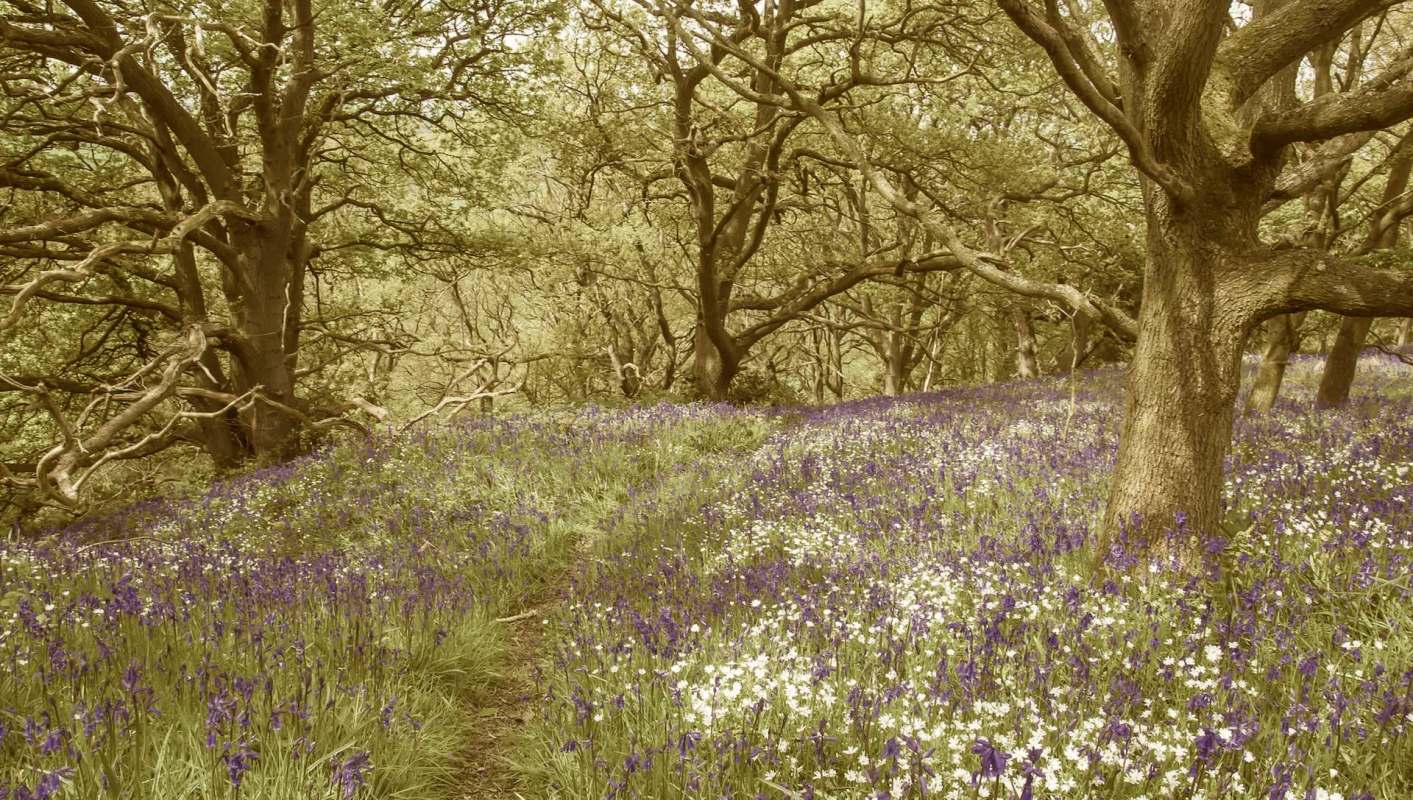
With bright hues of red and orange, the sights of leaves changing colors can often be one of the most unmistakable parts of fall. However, the prominence of heat waves and droughts in 2025 has unfortunately delivered a more muted palette for many parts of the U.K.
What's happening?
Thanks to prolonged periods of above-average warmth this summer, trees across the U.K. have been showing signs of stress since August, according to the BBC. These signs can range from wilting or curled leaves to excessive and premature leaf drop. Although trees can often be very resistant, experts warn that rising global temperatures could greatly impact their natural growth cycles.
While speaking to BBC News, Dave Powell, living landscapes officer at Yorkshire Wildlife Trust, explained the significance of this widespread stress in trees throughout the U.K. "The unpredictability of our weather over the past few years has given wildlife far less opportunity to bounce back from periods of more extreme weather," Powell said.
Yorkshire Wildlife Trust maintains the Moorlands Nature Reserve, a seven-hectare woodland area located in England that also boasts a collection of rhododendrons and azaleas. Despite their best efforts, employees at the reserve have reported a number of alarming changes. "We've lost a few large oak branches … it's to sustain the life of the tree in the long term, but it's not good for them this year," added Powell.
Why are prolonged heat waves impactful on tree health?
According to a report from the Met Office, this summer was the warmest on record in the U.K., with a mean temperature of 16.10 degrees Celsius (61 degrees Fahrenheit), surpassing the previous record set in 2018. Met Office scientist Dr. Emily Carlisle detailed the conditions surrounding the record-setting warmth throughout the U.K.
"The persistent warmth this year has been driven by a combination of factors, including the domination of high-pressure systems, unusually warm seas around the U.K., and the dry spring soils," Carlisle said. "These conditions have created an environment where heat builds quickly and lingers, with both maximum and minimum temperatures considerably above average."
Heat waves can make autumn colors less vibrant by causing them to produce less chlorophyll or to drop their leaves prematurely to conserve water. The ideal conditions for bright fall foliage are warm, sunny days followed by cool, crisp nights. However, prolonged heat and dryness, including heat waves in late summer or fall, can disrupt this balance.
Dry conditions for trees and surrounding vegetation can also significantly increase the risk of wildfires by providing more fuel. Without normal weather patterns and typical rainfall amounts, trees are not able to store as much water, making them more vulnerable to fires.
What's being done about above-average temperatures in the UK?
For now, Yorkshire Wildlife Trust is attempting to raise awareness of the importance of woodland areas and the pivotal role that the human population can play to help protect our trees. "Yorkshire's woodlands are already struggling from lack of mixed and older habitat, disease, and minimal management. Now is a good time to get the message across," said Powell.
In an effort to combat a rapidly changing global climate, nations like the U.K. are attempting to transition away from planet-heating dirty energy sources. Many policies have been put in place to make the switch to renewable energy, enhance energy efficiency in homes and buildings, and shift to sustainable transportation.
TCD Picks » Quince Spotlight
💡These best-sellers from Quince deliver affordable, sustainable luxury for all




|
Do you worry about having toxic forever chemicals in your home?
Click your choice to see results and speak your mind. |
 Majorly 😥
Join our free newsletter for good news and useful tips, and don't miss this cool list of easy ways to help yourself while helping the planet.
Cool Picks




