


A concerned resident reached out to their city officials about an invasive tree species, the tree of heaven, that had been popping up around the city. The response left the homeowner completely baffled, prompting them to seek advice from the r/InvasiveSpecies subreddit.
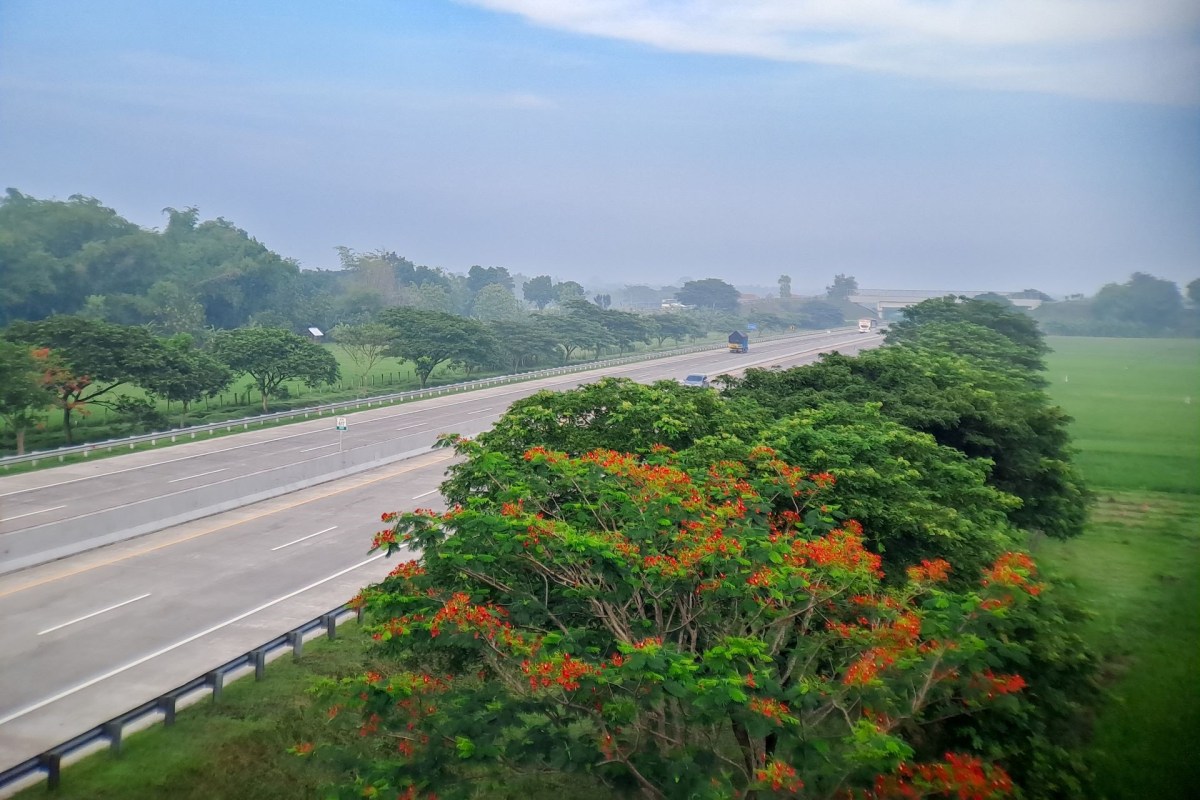
In the Reddit post, the original poster shared that they had alerted the city of a few tree of heaven plants growing along a highway. They expressed concerns that the invasive plant species could wreak havoc on native ecosystems.
"We have a very large wetland area in our city and I said I was concerned about it being overtaken by this piece of crap tree — we already have a huge problem with Himalayan blackberry and English ivy," the OP explained.
The tree of heaven, native to China, is an aggressive-growing plant with root systems that can damage pavement, building foundations, and sewers, according to The Nature Conservancy. It is also a prolific seed producer — a mature tree can produce over 300,000 seeds, which are easily dispersed by the wind, allowing it to easily spread and overtake native ecosystems by outcompeting native plants.
The tree of heaven has also proved to be a highly favored host for another invasive species — the spotted lanternfly, which is rapidly spreading and invading new regions throughout the country.
The city's response, which took a few weeks to arrive, simply stated that the property where the invasive plants were found was privately owned and, therefore, was not the city's responsibility. Despite this, the city encouraged the OP to carry out more research on the tree of heaven, likely to encourage greater awareness of the dangers of the invasive tree.
This reply left the OP dumbfounded because they had seen city maintenance trucks in that area before.
"How are we supposed to get city cooperation if they don't want to take it seriously themselves?" the OP said.
"We should just put on reflective vests, and grab some clippers … and go to town like we're supposed to be there. I guarantee nobody cares," one commenter said.
It is often much easier for homeowners to remove invasive plant species from their yard than to work with local governments to eradicate threatening invasive species in the area. However, invasive plants can still be bothersome to remove.
TCD Picks » Quince Spotlight
💡These best-sellers from Quince deliver affordable, sustainable luxury for all




|
Do you worry about companies drilling too deep into the ground? Click your choice to see results and speak your mind. |
 Definitely 💯
 Fortunately, landscaping your lawn with native plants or replacing it with options such as buffalo grass or clover creates conditions that discourage invasive plant species from taking root.
Native plants are not only easier to maintain, requiring less frequent mowing and watering than invasive plant species, but they also create healthier environments that attract pollinators. Pollinators are vital to the health of ecosystems, as they protect native vegetation and food crops that benefit both local wildlife and humans.
Fighting invasive plant species requires vigilant effort, and sometimes, that means guerrilla cleanups.
"I just pull them when I see them while I'm out walking," one user wrote.
"I havent used my yellow vest for guerilla invasive removal (yet), but … no one questions the yellow vest man," another commented.

💰Get TCD's free newsletters for easy tips to save more, waste less, and make smarter choices — and earn up to $5,000 toward clean upgrades in TCD's exclusive Rewards Club.
Cool Picks






