


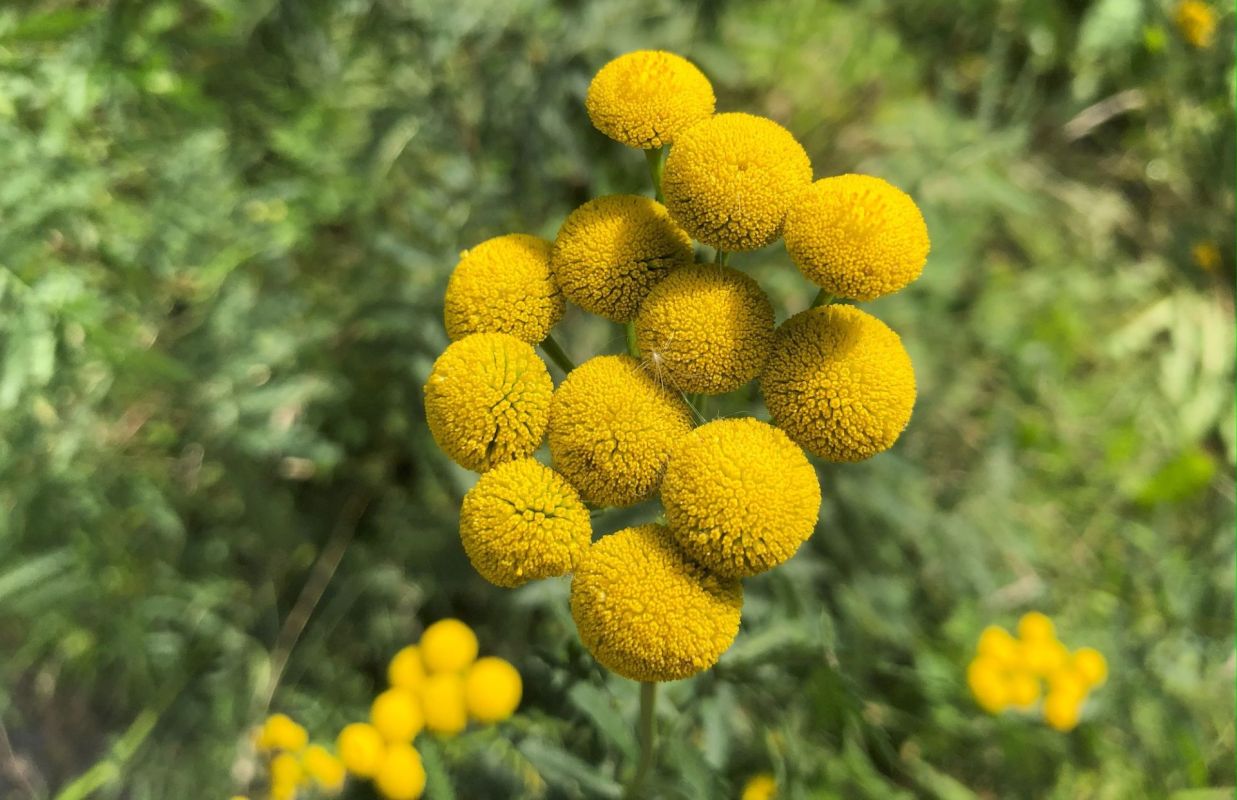
Officials in southern Arizona are sounding the alarm over stinknet (also called globe chamomile), a fast-spreading invasive plant they describe as "toxic," after recent rainfall accelerated its growth across Pima County, KVOA News Tucson reported.
What's happening?
Recent rain has fueled a surge in stinknet growth across Pima County, and officials are warning residents to stay alert and remove the weeds if possible.
Stinknet, described here by the Arizona-Sonora Desert Museum, is considered invasive and harmful to local ecosystems. It spreads rapidly, forming thick mats that crowd out native desert plants. Experts say it can also pose health concerns, as the plant is considered toxic and may cause skin irritation or respiratory discomfort for some people.
Because the plant produces many seeds, infestations can occur if the plants are left unchecked. Officials are warning residents that early removal is critical, per KVOA, as mature plants can spread even more aggressively.
Why are invasive plants like stinknet concerning?
In communities with stinknet outbreaks, residents can suffer from allergic reactions, and outdoor recreation areas can become overrun. Managing widespread infestations also requires significant public resources, diverting funding from other conservation efforts.
Invasive species also disrupt local ecosystems by outcompeting native plants for sunlight, water, and soil nutrients. In arid regions like southern Arizona, where water is scarce and ecosystems are already fragile, this can have ripple effects for wildlife and surrounding communities.
Native plants support pollinators, birds, and other wildlife that rely on them for food and habitat. When invasive species dominate, biodiversity declines. This can weaken natural systems that help conserve and clean water, stabilize soil, and protect food supplies.
Additionally, dense infestations of stinknet and other invasive plants can increase wildfire risk, putting homes and businesses in nearby communities at risk. As rising global temperatures intensify drought conditions in areas like the Southwest, that added fire risk increases the costs of property insurance — even making it hard for some in Arizona and other states to get coverage at all.
What can be done about invasive stinknet?
Local officials are urging residents to identify and remove stinknet before it goes to seed. Early intervention — including hand-pulling young plants with gloves and properly disposing of them — can help limit the spread.
Residents in Pima County can also visit www.stinknet.org to report sightings, and the site offers volunteer opportunities to help with removal efforts. If you aren't sure how to identify the weed, the website includes resources and photographs to help.
TCD Picks » Quince Spotlight
💡These best-sellers from Quince deliver affordable, sustainable luxury for all




Homeowners can support these efforts by rewilding their yards. By planting native species instead of ornamental invasives, homeowners prevent invasive plants from taking hold while simultaneously supporting the health of their yard and local ecosystem.
|
Which of these savings plans for rooftop solar panels would be most appealing for you?
Click your choice to see results and earn rewards to spend on home upgrades. |
 Save $1,000 this year 💸
Get TCD's free newsletters for easy tips to save more, waste less, and make smarter choices — and earn up to $5,000 toward clean upgrades in TCD's exclusive Rewards Club.
Cool Picks




