


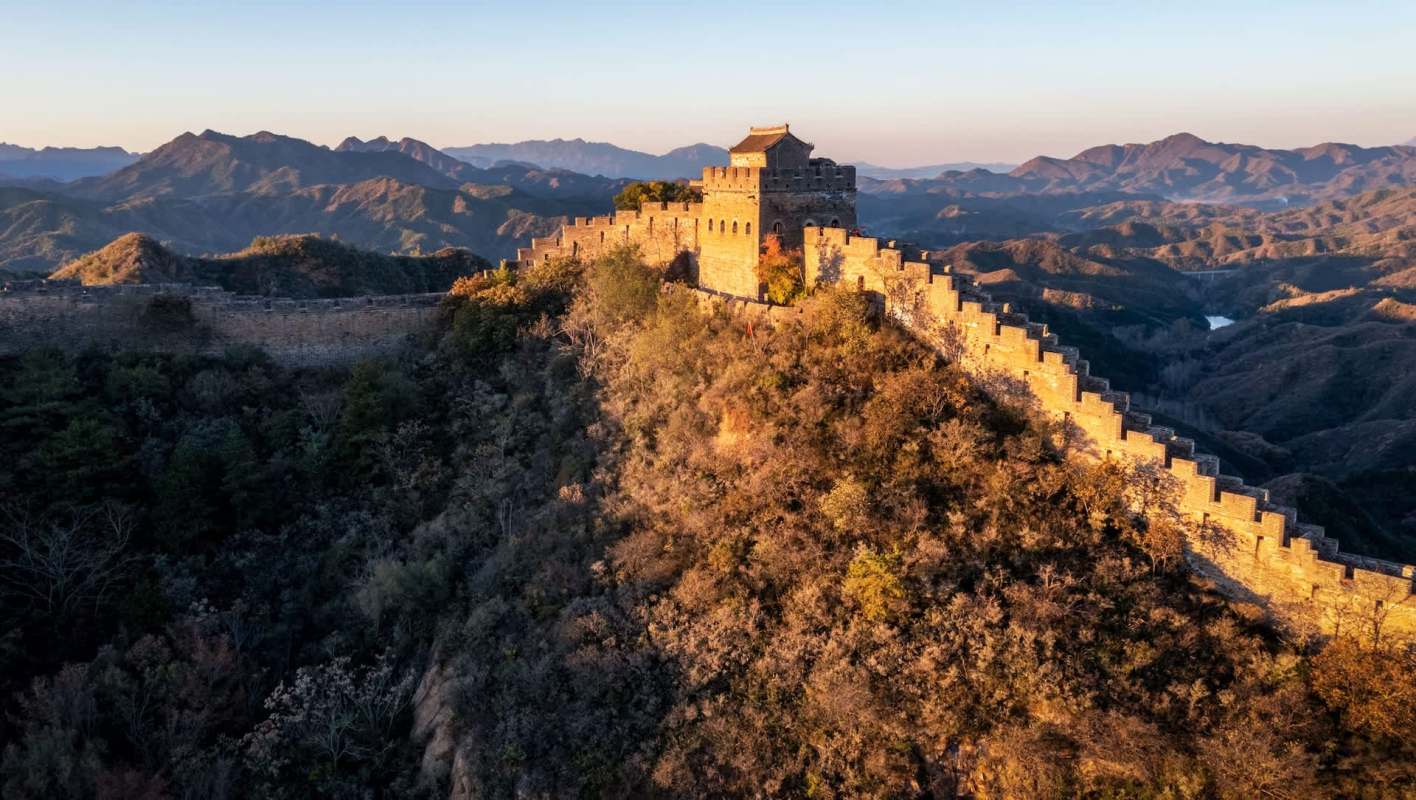
It's hard to imagine places like the Galápagos Islands or Yellowstone National Park disappearing. These natural wonders are designated World Heritage Sites, supposedly protected forever. But a troubling report paints a grim picture: Nearly half of these treasured natural sites are now threatened by our planet's overheating.
What's happening?
According to Noticias Ambientales, the International Union for Conservation of Nature (IUCN) recently released its World Heritage Outlook 4 report, covering 271 UNESCO natural sites over a decade. The findings show things are getting worse. Only 57% of these globally important places have a positive conservation outlook, a drop of five points since 2020.
The main culprit identified by the IUCN is our warming planet, but it's not alone.
Invasive species affect 30% of sites, and uncontrolled tourism adds stressors such as pollution and erosion. Making matters worse, the IUCN warns that a lack of effective management and funding leaves many sites vulnerable. One in seven faces high risks due to resource shortages.
Why is this concerning?
So, why the long face if a distant glacier shrinks?
UNESCO calls these places sites of "Outstanding Universal Value to humanity," basically an "irreplaceable legacy." It's not just about nice views. Many protect vital webs of life, the biodiversity essential for healthy ecosystems, which affects things like stable food supplies.
Perk up the winter blues with natural, hemp-derived gummies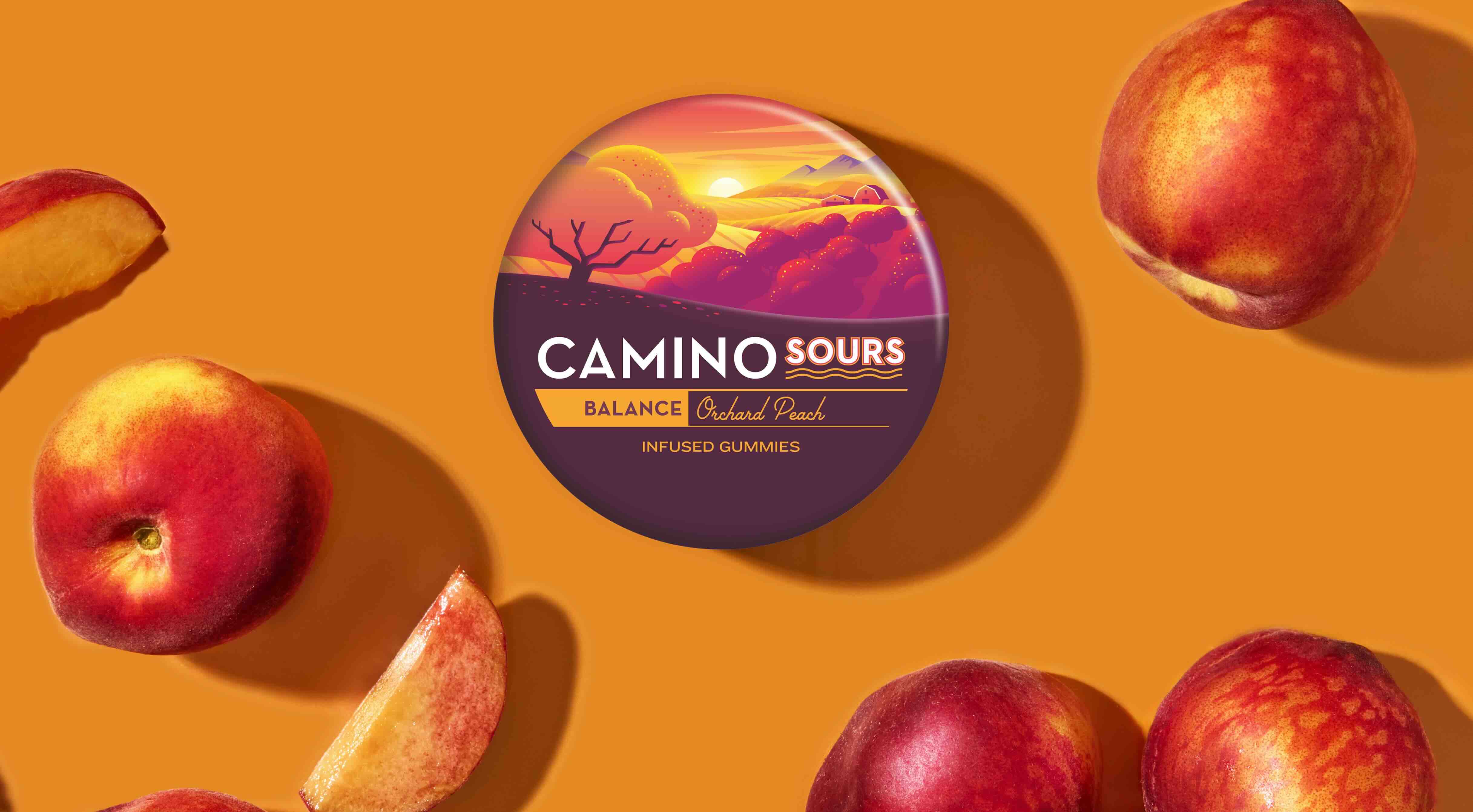 Camino's hemp-derived gummies naturally support balance and recovery without disrupting your routine, so you can enjoy reliable, consistent dosing without guesswork or habit-forming ingredients. Flavors like sparkling pear for social events and tropical-burst for recovery deliver a sophisticated, elevated taste experience — and orchard peach for balance offers everyday support for managing stress while staying clear-headed and elevated.
Learn more → |

And the damage isn't hypothetical.
UNESCO is already seeing shrinking glaciers, coral bleaching, more frequent wildfires, and intense droughts hitting these special places. They predict glaciers in a third of sites, including Mount Kilimanjaro, could vanish by 2050. Nearly all protected coral reefs might face deadly bleaching every year by then, too.
Other research sounds similar alarms.
One report suggested that with high pollution, almost all (248 of 250) heritage sites studied could face extreme weather by 2100. Rising seas pose an "urgent threat" to "irreplaceable coastal cultural sites," potentially washing away history like Easter Island's statues. Add tourists damaging fragile areas, like in Spain's Teide National Park, and you see why one advocate called the lack of action "a scandal and a shame."
TCD Picks » Upway Spotlight
💡Upway makes it easy to find discounts of up to 60% on premium e-bike brands





|
Do you think America does a good job of protecting its natural beauty? Click your choice to see results and speak your mind. |
 Definitely 👍
 What's being done?
The IUCN report found some hope. Thirteen sites, mostly in Africa, actually improved recently. Local people got involved, and smart investments were made against poaching and to restore habitats. It shows that focused effort can work.
The IUCN wants more cooperation between countries, steady funding, and better monitoring. UNESCO is also helping nations with climate plans, tracking threats, and finding ways to adapt. Specific ideas include possibly moving Easter Island statues or limiting visitors in Teide Park.
Protecting these treasures needs a global effort, mainly cutting the heat-trapping pollution warming the planet. Supporting clean energy and reducing waste helps safeguard this shared heritage.

💰Get TCD's free newsletters for easy tips to save more, waste less, and make smarter choices — and earn up to $5,000 toward clean upgrades in TCD's exclusive Rewards Club.
Cool Picks






