


Officials in a Minnesota county are sounding the alarm after two invasive species were discovered in Anna Lake. With over 1,000 lakes within easy reach of residents and visitors, officials are acting quickly to raise awareness and curb the spread.
What's happening?
On Sept. 11, the Minnesota Department of Natural Resources confirmed the presence of starry stonewort at the public access point of Anna Lake, the Fergus Falls Journal reported.
Lakes in the area are also dealing with invasive zebra mussels. Both species are known for their ability to quickly overtake native ecosystems — clogging waterways, damaging boats, and disrupting habitats.
Specialists conducted a full survey days later, finding no additional starry stonewort beyond the boat ramp area. However, the department officially designated the lake as "infested," adding it to Minnesota's growing list of invaded lakes.
Why are invasive species concerning?
Aquatic invasive species like starry stonewort and zebra mussels can wreak all sorts of havoc on local ecosystems. For example, the algae-like starry stonewort forms dense mats that smother native plants and block sunlight. Zebra mussels attach to nearly any surface — from boats and docks to fish themselves.
These disruptions disturb local water recreation and communities that depend on clean, healthy lakes. In Otter Tail County, where fishing and tourism are important industries, infestations could make water murkier and less inviting, while also leading to declining fish populations and more maintenance costs for residents. Invasive infestations also have a ripple effect on other plants and wildlife, outcompeting native species and disrupting the food chain for everyone.
What's being done to protect lakes from invasive species?
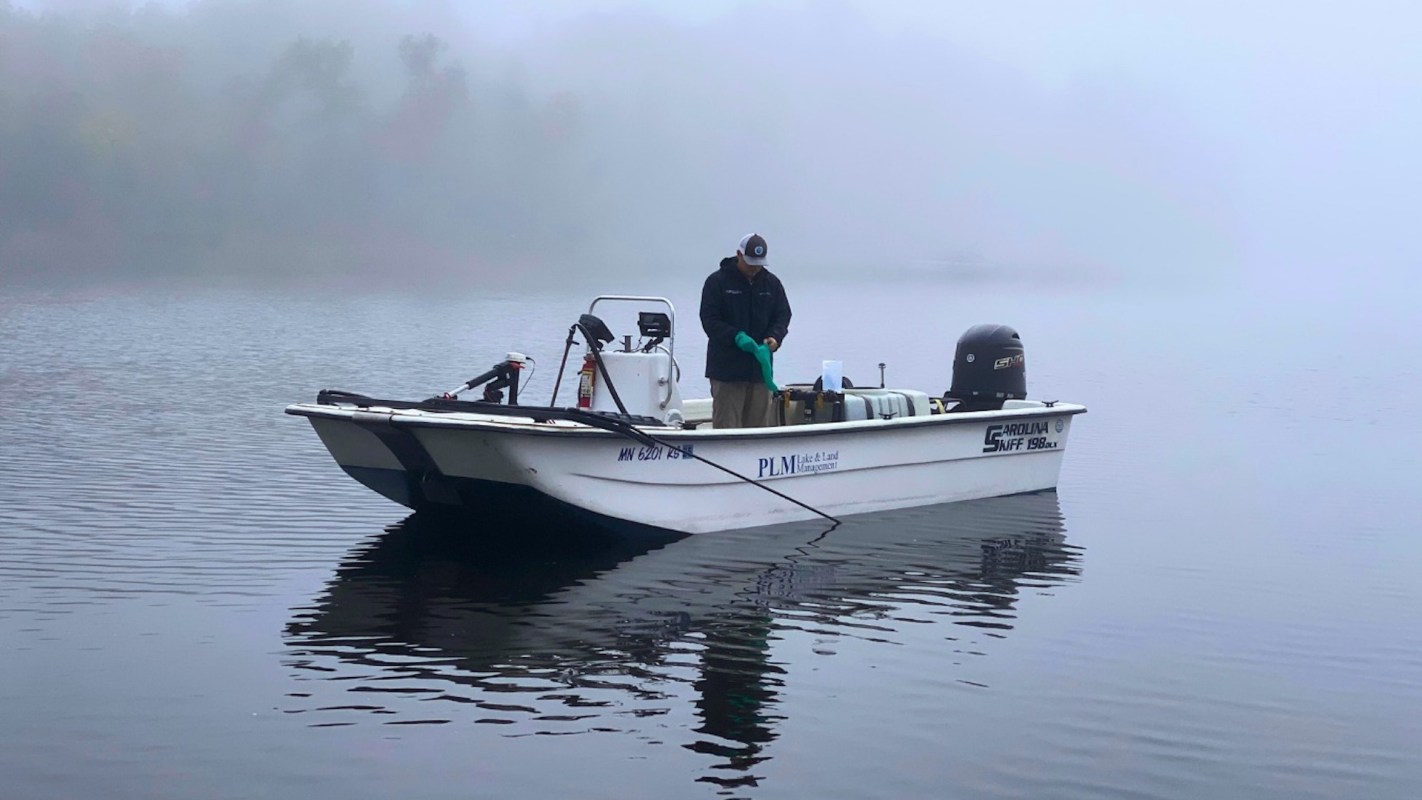
Otter Tail County contracted Professional Lake Management of Brainerd to help with the issue. They're also using an Environmental Protection Agency-approved chemical treatment, which will be applied to a half-acre area near the access point.
Ultimately, though, invasive species are spread mostly by human activity. Readers can educate themselves on critical climate issues to learn more about how human behaviors have widespread impacts on the environment.
"We are working with our partners to move forward with a rapid response plan. We'd like to remind water users to be diligent in making sure their equipment is clean, drained and dry, and that they dispose of unwanted live bait in the trash," said county invasive species specialist Spencer McGrew.
For the record, this is a good practice no matter where you are, as invasive species easily spread through watercraft.
TCD Picks » Upway Spotlight
💡Upway makes it easy to find discounts of up to 60% on premium e-bike brands





The Boat U.S. Foundation says boaters should always inspect and remove any mud, plants, or animals from their boat and trailer and thoroughly rinse everything before leaving the launch ramp, if possible.
|
Do you think America does a good job of protecting its natural beauty? Click your choice to see results and speak your mind. |
 Definitely 👍
Join our free newsletter for good news and useful tips, and don't miss this cool list of easy ways to help yourself while helping the planet.
Cool Picks






