


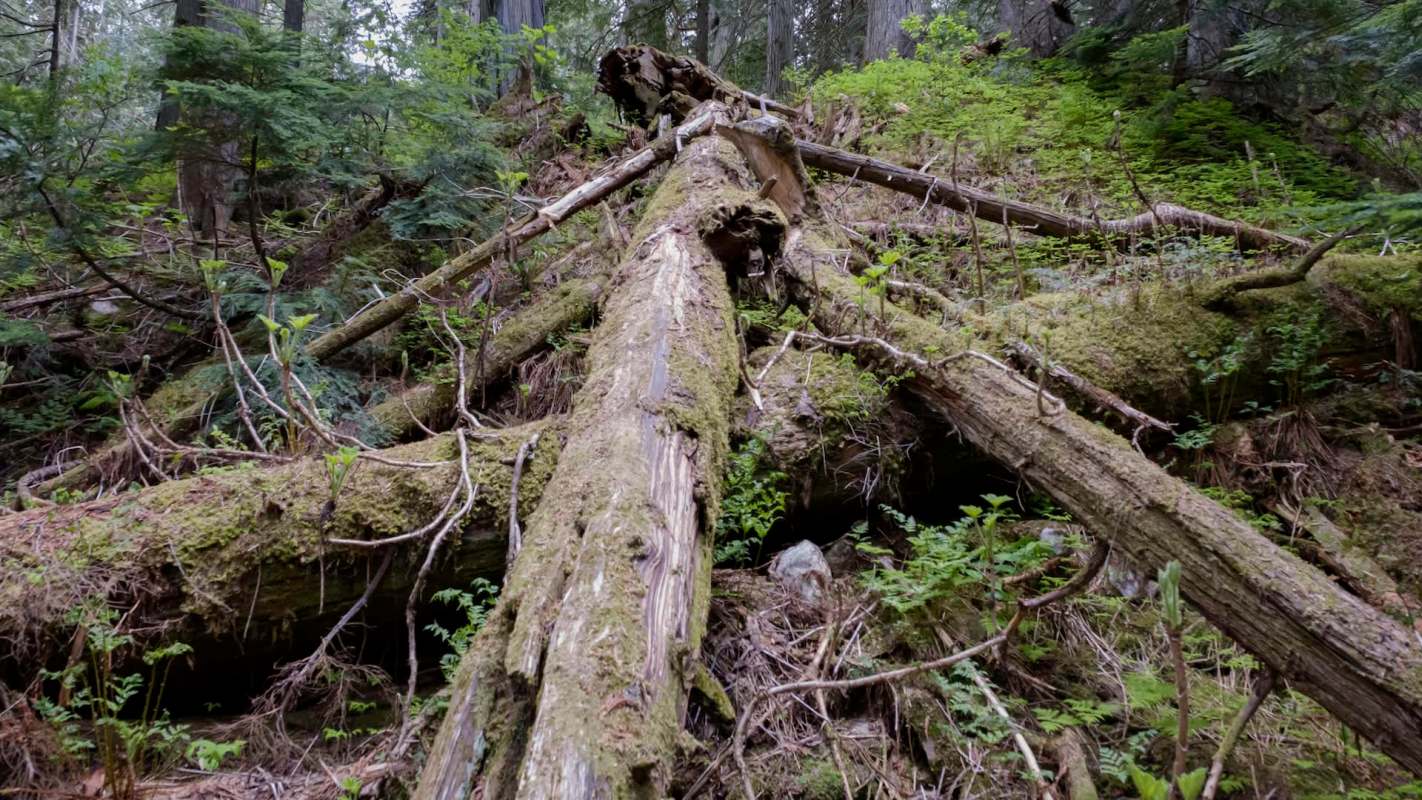
A tree rapidly spreading across Oklahoma is causing problems — from helping disease-carrying ticks thrive to increasing wildfire risks. Oklahoma State University has suggested that eastern redcedar, a fast-growing, drought- and climate-tolerant species, is reshaping grasslands in ways that put people, livestock, and local ecosystems at risk.
What's happening?
Researchers have confirmed that the expansion of eastern redcedar across Oklahoma is boosting populations of the lone star tick, as reported by KOKH. This species is the primary carrier of alpha-gal syndrome, a rare condition that can trigger allergic reactions to meat. It also commonly spreads Southern tick-associated rash illness, which is similar to Lyme disease, and other illnesses.
As OSU entomology professor Dr. Bruce Noden documented the species' spread over the years, ranchers kept pointing to the same culprit, per KOKH: "Everybody knows they're down in the cedars." Research from Noden and graduate student Jozlyn Propst shows why. Redcedar stands create dense, humid pockets of shade, which provide an ideal habitat for ticks.
OSU ecology professor Dr. Scott Loss explained how. "There is certainly evidence now that areas with eastern redcedar retain moisture more consistently and return it to the atmosphere as water vapor, which is creating the new microclimates," he said, per KOKH.
Researchers say this can also support other harmful insects, including mosquitoes that carry the West Nile virus.
Why is the spread of eastern redcedar concerning?
While the eastern redcedar is native to the U.S., it's becoming invasive across the Great Plains. As the tree overtakes grasslands, it outcompetes native plants, fuels wildfires, and disrupts local habitats. Now, the expanding microclimates it creates is encouraging the spread of ticks, raising concerns for outdoor workers and families who spend time outside.
Because invasives crowd out native ecosystems, they threaten natural resources and food systems already strained by rising global temperatures. Invaders such as the destructive emerald ash borer and the invasive green crab are all reminders of how quickly ecological imbalances can endanger communities.
What's being done about the spread of redcedar?
Land managers in Oklahoma and across the Plains are working to contain redcedar through controlled burns, removal, and the restoration of native grasses. Researchers said ongoing monitoring of tick populations and changing microclimates is essential to identifying risks early.
We've seen innovative approaches for dealing with other invasive species, such as consuming crawfish and plant species like creeping bellflower to control their spread. Some Oklahoma locals have developed creative solutions, such as Oklahoma's Singing Wire Sawmill, turning redcedar into raw material for products like furniture and cabinets.
Residents can help reduce the spread by supporting native plant landscaping and clearing redcedar seedlings before they establish. To avoid vector-borne diseases from the lone star tick, it's also important to use protective measures when outdoors, including tick checks and repellents.
TCD Picks » Upway Spotlight
💡Upway makes it easy to find discounts of up to 60% on premium e-bike brands





|
Do you think fracking should be illegal in America? Click your choice to see results and speak your mind. |
 Yes — everywhere 👏
Get TCD's free newsletters for easy tips to save more, waste less, and make smarter choices — and earn up to $5,000 toward clean upgrades in TCD's exclusive Rewards Club.
Cool Picks






