


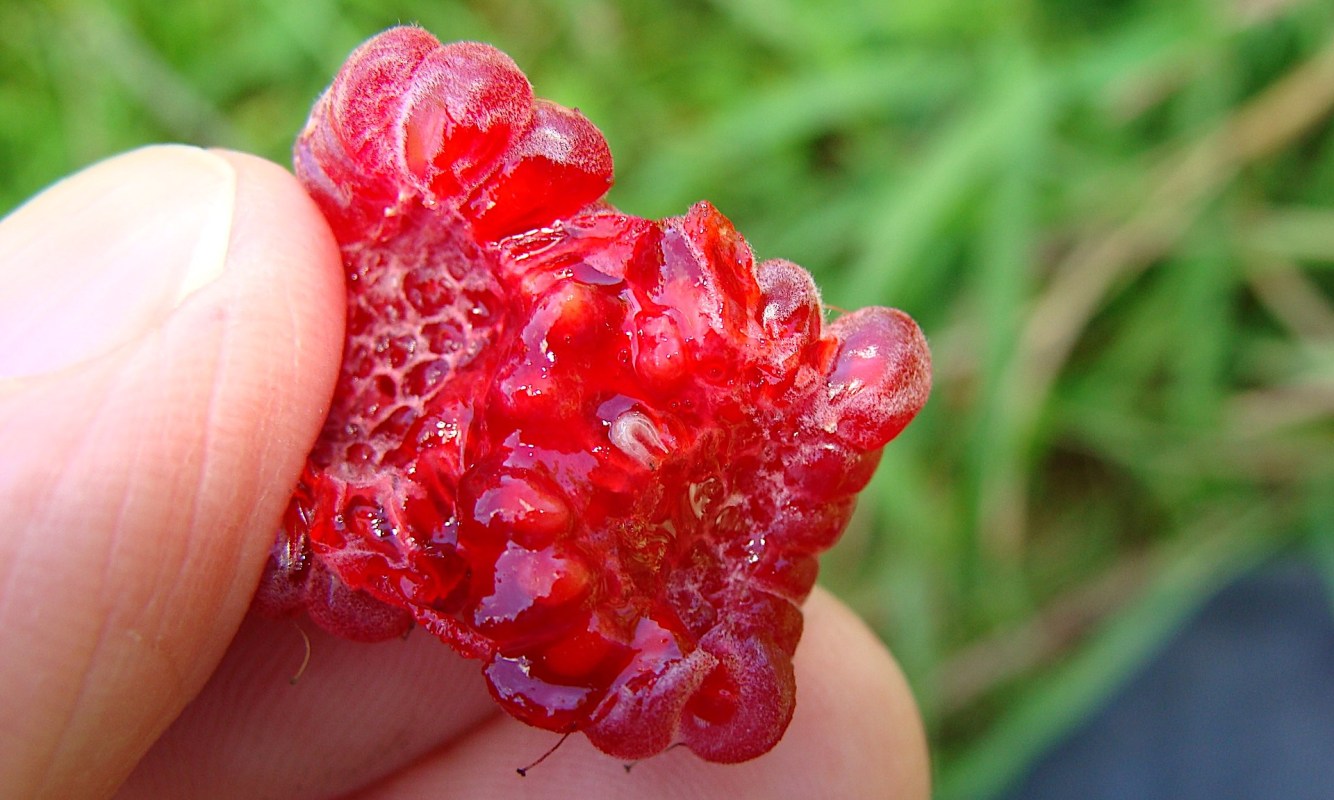
Summer is prime berry season, but an invasive pest is threatening the crop this year and could be a worrying indicator of things to come.
What's happening?
In Maine, the spotted wing drosophila, an invasive species of fruit fly that came to the U.S. sometime around 2008, has been found in the state's blueberry, raspberry, and cherry plants this season, as well as wild blueberries, News Center Maine reported. A post from the University of Maine Cooperative Extension confirmed in a social media post.
The cooperative said that hot, dry weather and early pest control spraying have slowed the population growth, but continued action and vigilance are needed.
"If you're growing raspberries, blackberries, or blueberries, now is the time to take action. Most locations are already over the recommended spray threshold (4/trap/week). A 7-day spray schedule is currently advised, but as populations grow, consider shifting to every 5 days to prevent fruit infestation," the post stated.
Why are invasive fruit flies important?
The invasive spotted wing drosophila is especially harmful as it goes after firm, ripening fruit, instead of overripe or rotting produce, according to the USDA. That means major financial losses for farmers, not just in Maine but across the country.
Invasive species generally pose a greater threat, even when it comes to pests, as they outcompete native species for vital resources, interfering with natural food cycles, which impact the environment and humans who rely on it.
What's being done about the fruit flies?
On top of the pesticide-spraying schedules recommended by officials in Maine, USDA scientists have been working on manipulating the fruit flies' behavior by "disguising healthy fruit as being infected with an unappealing pathogen."
It's also important to prioritize native plant species when gardening. They require fewer resources, like water, fertilizer, and pesticides, and are more tolerant of difficult conditions, like drought, than invasives.
Native plants are also great for reducing the spread of disease and attracting pollinators, which play a vital role in the survival of crops. In fact, according to the U.S. Fish and Wildlife Service, the economic relationship between pollinators and crops is worth $235 billion per year.

Join our free newsletter for good news and useful tips, and don't miss this cool list of easy ways to help yourself while helping the planet.
TCD Picks » Quince Spotlight
💡These best-sellers from Quince deliver affordable, sustainable luxury for all




Cool Picks






