


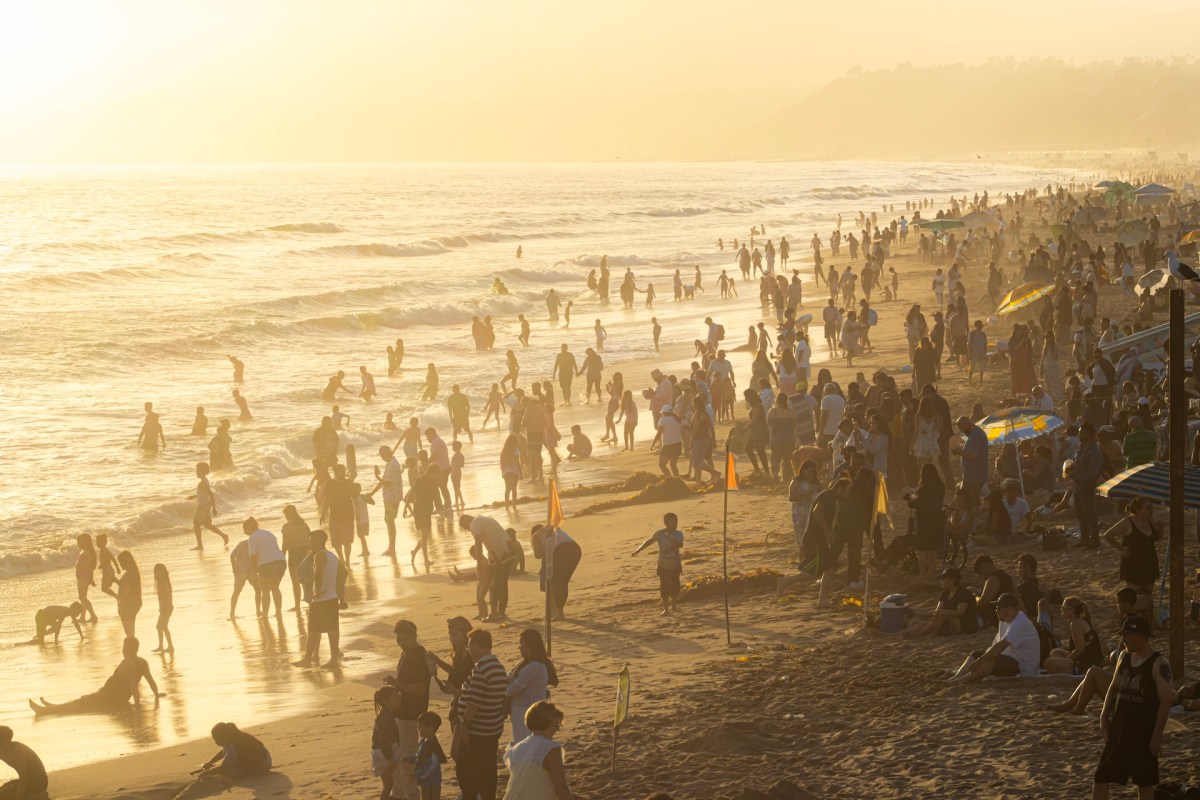
Southern California is heading into an intense heat wave that may push some communities toward some of their highest temperatures of the year. The usual evening cooldown may be minimal, leaving nights far warmer than normal.
What's happening?
A heat advisory across much of Southern California took effect Wednesday morning and will remain in place until Monday, July 27, the Los Angeles Times reported. It covers large parts of Los Angeles, San Diego, Orange, Riverside, San Bernardino, Ventura, and Santa Barbara counties. Some beach communities are outside the advisory area.
Forecast highs vary by location, but many communities could face extreme heat. The Times reported estimates as low as 92 degrees Fahrenheit in downtown Los Angeles and as high as 109 in Paso Robles. Parts of San Diego County could even exceed 110.
Forecasters are particularly worried about how long the heat is expected to last. Robbie Munroe, a meteorologist with the National Weather Service's Oxnard office, said the duration "can really be concerning." Overnight lows in the Los Angeles Basin may only fall to around 70 degrees, leaving homes and neighborhoods with limited opportunity to cool off.
Forecasters are also warning that wildfire danger could increase. Tropical storm activity may send a south swell toward the coast, producing strong rip currents in some areas.
Munroe told the Times that there's a 60% to 80% likelihood of above-normal temperatures between July 27 and Aug. 2, suggesting that the hot weather could continue even after the current advisory expires.
TCD Picks » Quince Spotlight
💡These best-sellers from Quince deliver affordable, sustainable luxury for all




Why does it matter?
Prolonged heat can quickly become a serious public health threat. With humidity adding to the discomfort and unusually warm overnight temperatures, the next several days could be especially risky for people who don't have access to reliable cooling.
When temperatures stay high overnight, the body has less time to recover, increasing the risk of heat exhaustion and heat stroke. Older adults, children, and outdoor workers are especially vulnerable.
Extreme weather can also strain hospitals and drive up utility costs. In coastal communities, hazardous surf can injure swimmers, hurt tourism, and put added pressure on emergency responders.
Earlier this summer, a 5-year-old girl from San Bernardino was pulled into the ocean by heavy surf in Laguna Beach and died, according to the LA Times. Newport Beach lifeguards also reportedly performed more than 100 rescues on one recent day.
What can I do?
If you can, move exercise, yard work, and other strenuous outdoor tasks to the early morning. During the hottest hours, spend time in air-conditioned spaces, drink plenty of water, take frequent breaks, and look for shade when you need to be outside.
Check on older neighbors, relatives, and anyone who may not have reliable cooling. Pets should stay indoors or in shaded, cool spaces with fresh water, and children or animals should never be left unattended in a parked car.
Because wildfire danger is expected to rise, residents should be especially cautious with anything that could ignite a fire, particularly in dry or windy conditions. If a fire does happen, making a go bag could ensure you stay as prepared as possible.
Beachgoers are also being urged to take surf hazards seriously and avoid rough water without first checking conditions.
Ryan Kittell, a meteorologist with the National Weather Service's Oxnard office, emphasized to the LA Times, "This looks to be the hottest stretch so far this year."

Get TCD's free newsletters for easy tips, smart advice, and a chance to earn $5,000 toward home upgrades. To see more stories like this one, change your Google preferences here.







