


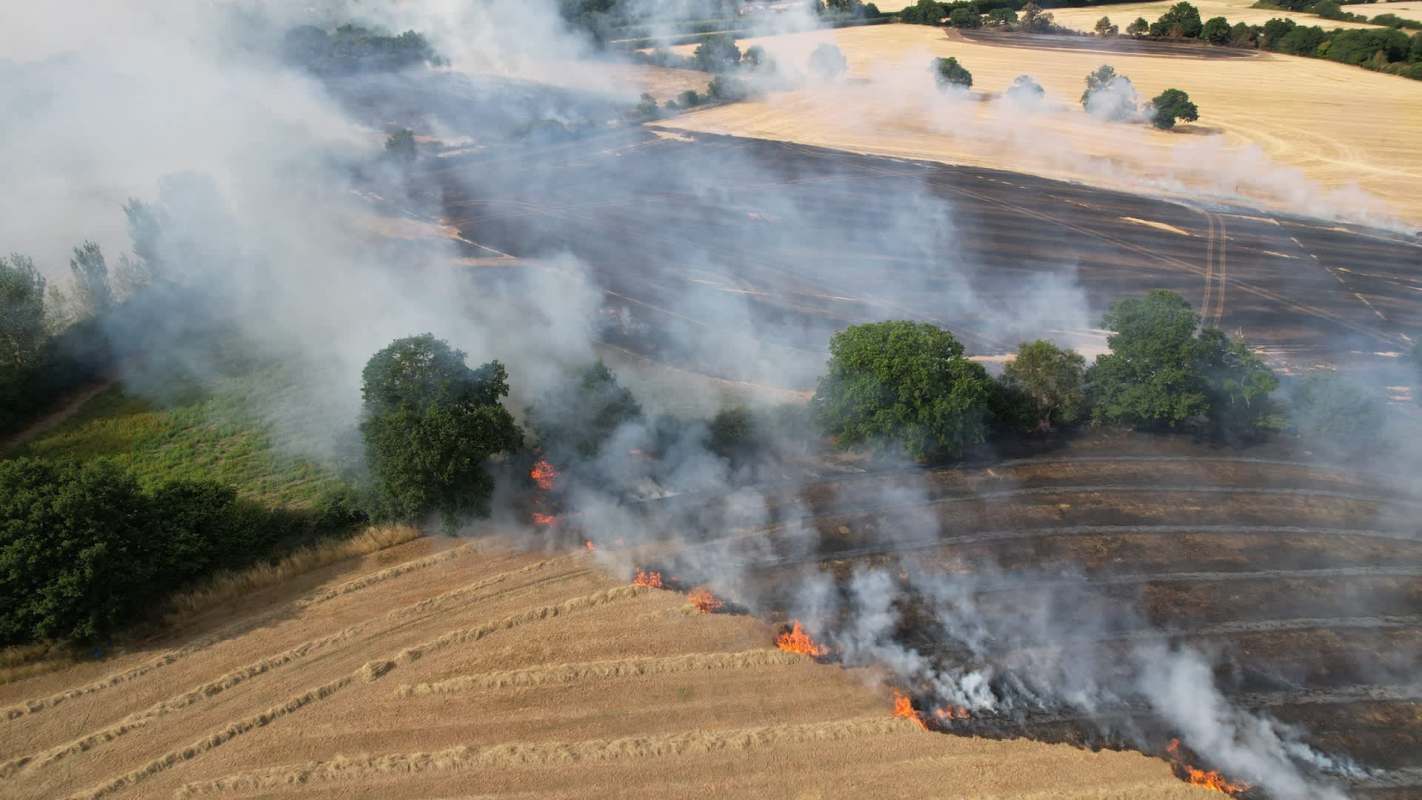
As the United States experiences more and more heat waves, scientists are uncovering how disastrous they really are in worsening wildfires.
What's happening?
In a study published in the peer-reviewed journal Science Advances, researchers analyzed wildfire activity across the western U.S. from 2001 to 2024 to determine how heat waves affected those fires.
The research found that although heat waves made up between 12% and 15% of warm-season days during that timespan, they were tied to 42% of the total acres burned.
Researchers explained that these hot stretches do more than raise temperatures. They pull moisture from vegetation, reduce nighttime humidity so fires can keep burning longer, and may encourage dry lightning that starts fires without bringing rain.
During the heat waves, the amount of land burned each day was over 50% greater than it was on the cooler days immediately before them. In some western areas, that increase reached 300%, per Phys.org.
The scientists' analysis also showed that the number of heat wave days in western forests has almost doubled since 2001. During that same span, the amount of forest area burned rose 2.5 times.
TCD Picks » Quince Spotlight
💡These best-sellers from Quince deliver affordable, sustainable luxury for all




Why does it matter?
Because so much burning is concentrated in these stretches of extreme heat, heat waves appear to create especially dangerous windows for ignition, rapid spread, and fires that are tougher to contain.
That can have direct consequences for everyday life, including evacuations, smoke-filled air, property loss, road closures, and rising insurance costs. Wildfire smoke can also travel far beyond the fire zone, affecting people hundreds of miles away.
The researchers estimated that if heat wave days had not increased, the total forest area burned since 2001 would have been 37% lower. That suggests rising extreme heat is not just a side effect of worsening fire seasons but a major driver of them.
The team behind the analysis summarized its importance, saying, "The growing influence of heatwaves in shaping burned area in Western US forests has important implications for fire management and public health and can improve predictions of wildfire risk."

Get TCD's free newsletters for easy tips, smart advice, and a chance to earn $5,000 toward home upgrades. To see more stories like this one, change your Google preferences here.






