


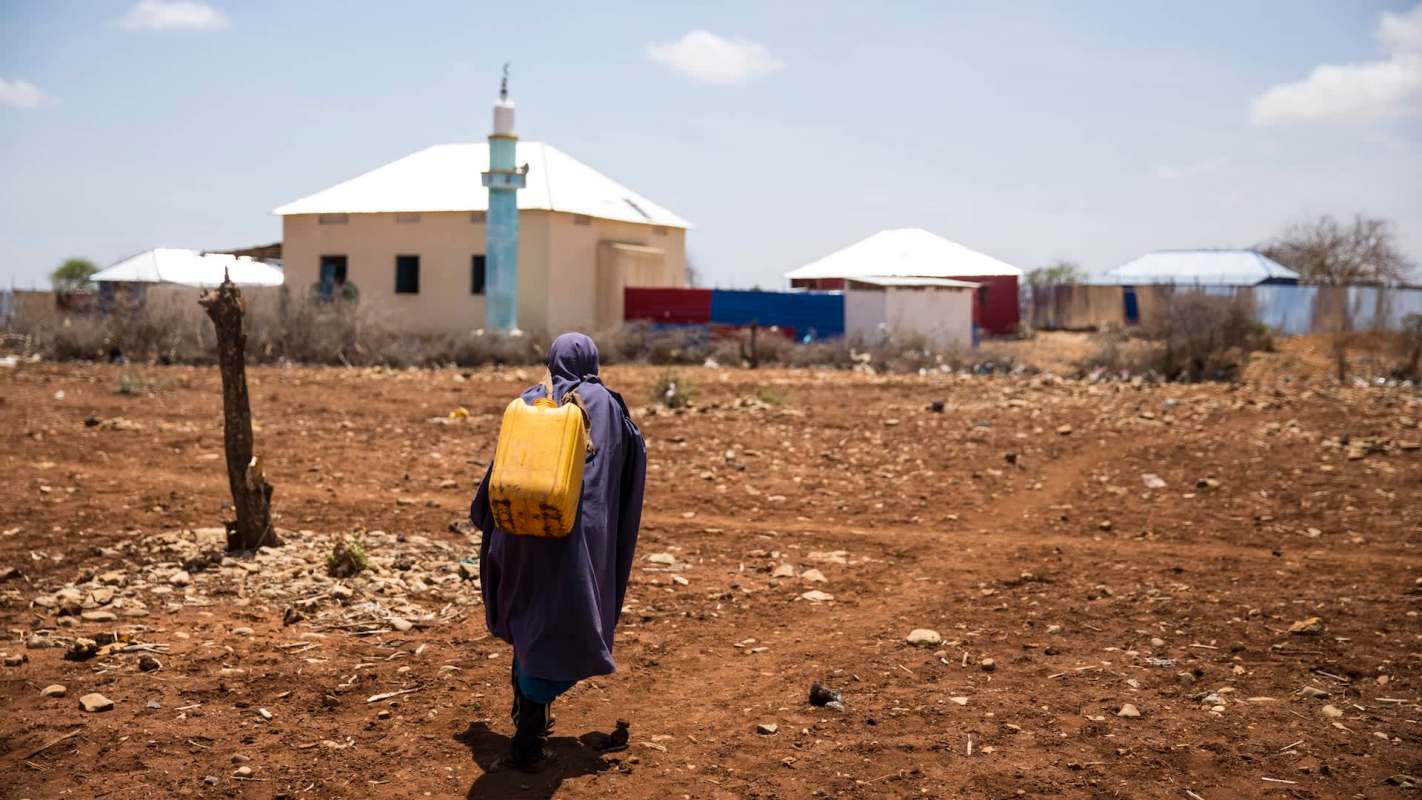
A severe drought across Somalia has entered a critical phase, threatening lives, livestock, and food security as water sources dry up and communities struggle to meet basic needs.
What's happening?
At an emergency meeting on Feb. 2, Somali officials warned that drought conditions had sharply worsened, particularly in rural areas, according to Commonspace.eu's reporting.
"The situation has reached a dangerous phase," said Somali Disaster Management Agency chief Abdulle in the report, warning that lives and animals are at risk due to shortages of water, food, and pasture.
Since declaring a drought emergency in November, the dry conditions have already killed livestock, reduced harvests, and forced families to travel in search of water or relocate altogether, according to the UN.
Officials called on government institutions, community leaders, and the business sector to support faster emergency relief efforts.
Why are Somalia's drought conditions concerning?
Droughts are a natural part of climate cycles, but due to rising global temperatures, they are becoming more frequent and intense in many places as rainfall patterns are disrupted and evaporation increases.
According to the World Meteorological Organization, Africa faces a disproportionate burden from the effects of climate change, with temperature increases above global averages and extreme weather wrecking local infrastructure and leading to water wars. All of this is despite countries in the Global North being responsible for 92% of excess planet-heating global carbon emissions.
In Somalia, where many households depend on farming and herding, devastating floods and a plague of locusts in 2020 have been followed by a multi-year drought that has quickly become a crisis for millions already struggling in a country that is regularly classified among the poorest in the world.
Agricultural losses have reduced food supplies and income, driving up prices and increasing the risk of hunger and malnutrition. At least 4.4 million people are facing food insecurity, and 1.85 million children under five are expected to face malnutrition through the middle of this year, according to the UN Food and Agriculture Organization.
Even when rains do return, these dry conditions increase wildfire risks and accelerate land degradation, making recovery harder.
TCD Picks » Upway Spotlight
💡Upway makes it easy to find discounts of up to 60% on premium e-bike brands




|
What's the most you'd pay per month to put solar panels on your roof if there was no down payment?
Click your choice to see results and speak your mind. |
 $200 or more 💰
 What's being done about Somalia's drought?
Somali officials and leaders in the federal government are prioritizing drought relief and mobilizing national and international support to reduce the impacts of recurring extreme weather. A 2026 Humanitarian Needs and Response Plan launched by Somali President Hassan Sheikh Mohamud and the United Nations aims to secure more than $800 million for essential services in Somalia.
Longer-term solutions must include improved water management, climate-resistant agriculture, and expanding early warning systems.
Addressing the root causes of worsening droughts and extreme weather will require the world — primarily the Global North — to reduce pollution and cut planet-warming emissions, so that vulnerable communities such as Somalia don't face a recurring, worsening crisis.

Get TCD's free newsletters for easy tips to save more, waste less, and make smarter choices — and earn up to $5,000 toward clean upgrades in TCD's exclusive Rewards Club.
Cool Picks






