


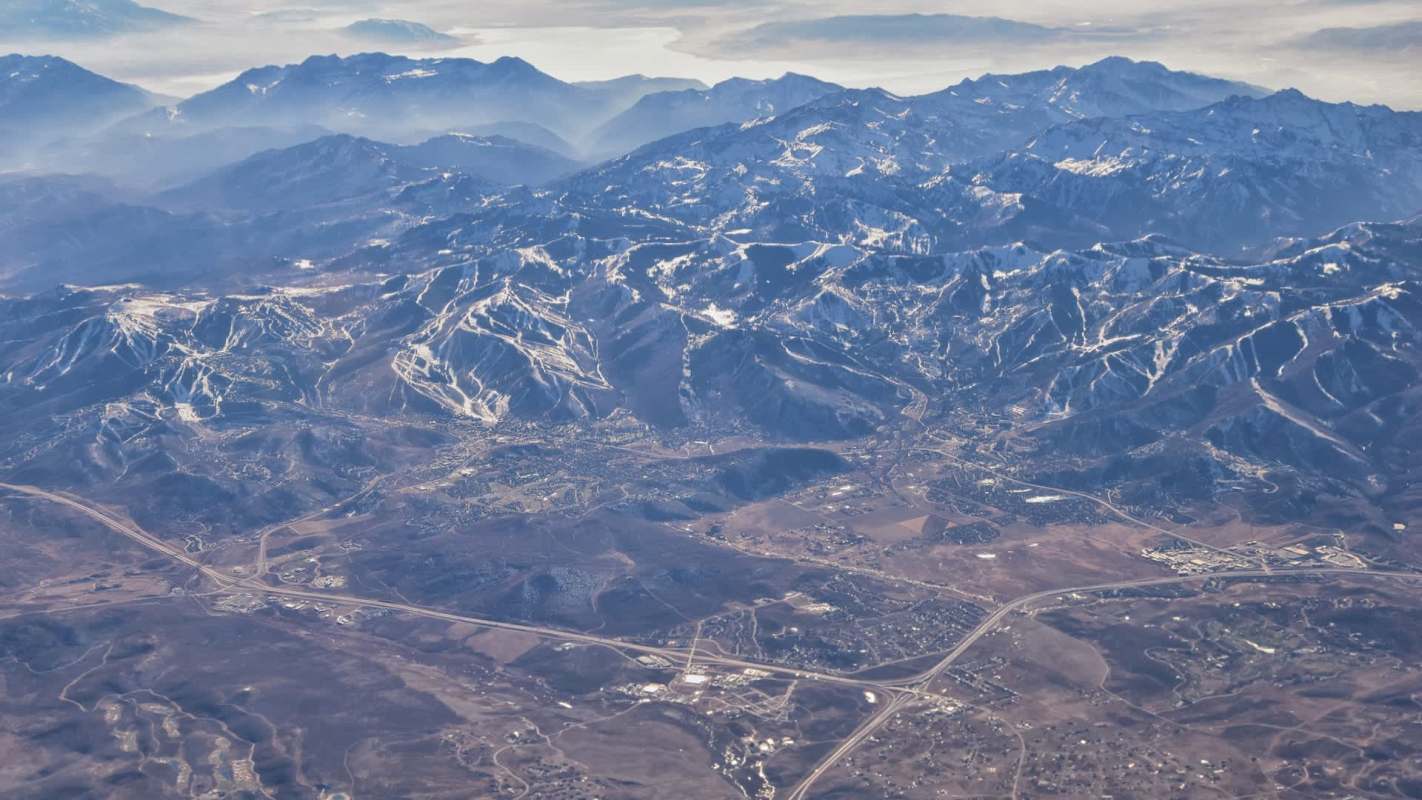
Following a historically warm winter, March was abnormally hot across the western United States.
What's happening?
Critically high March temperatures left snowpack across the West at record-low levels, according to the Guardian.
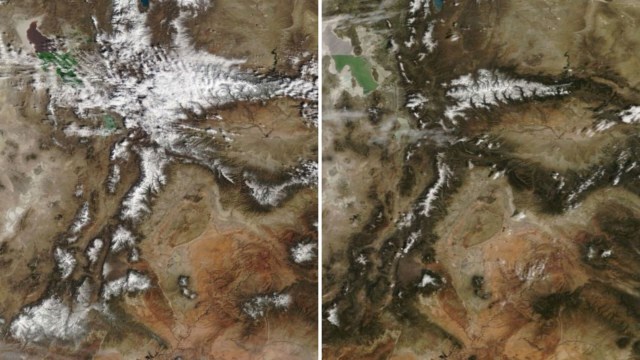
Side-by-side photos from NASA satellites visualized alarming conditions, depicting the staggering loss of accumulated snow within just one month.
Before-and-after comparisons were drawn between mountaintops in February and March, including ranges in Utah, California, and Colorado.
"March is often a big month for snowstorms," climatologist Dr. Russ Schumacher told the Guardian. "Instead of getting snow we would normally expect, we got this unprecedented, way-off-the-scale warmth."
Annual snow surveys have also offered proof of the concerning amount of snowpack left. Officials with the California Department of Water Resources recorded a "zero measurement" during their annual survey April 1.
"This year is on a whole other level," Schumacher said.
"Seeing this year so far below any of the other years we have data for is very concerning."
Why is snowpack loss concerning?
Snowpacks play a critical role in the functioning of a healthy ecosystem, not just in winter but year-round.
Acting as a reservoir for water, snowpacks are essential for supplying stored water to waterbodies downstream, replenishing dry landscapes in the brutally warm summer months.
TCD Picks » Quince Spotlight
💡These best-sellers from Quince deliver affordable, sustainable luxury for all




|
Which of these savings plans for rooftop solar panels would be most appealing for you?
Click your choice to see results and earn rewards to spend on home upgrades. |
 Save $1,000 this year 💸
 With rising global temperatures contributing to the melting of snowpacks, entire regions are left without a sufficient supply of water throughout the year. In turn, drought conditions are exacerbated, leading to a plethora of issues, including decreased crop production, strained drinking water supplies, and an alarming increase in wildfire risk.
Without the usual length of time that landscapes are accustomed to spending under blankets of snow, vegetation is primed to become drier.
High temperatures and low moisture can then easily work in tandem, leaving just a small spark the opportunity to become a catalyst for a devastating wildfire.
Over 1.5 million acres have already been burned across the U.S. this year.
What's being done about snowpack loss?
While the issue is immense, some U.S. officials have taken notice of the extreme conditions and are working to preserve vital water resources.
Both voluntary and mandatory water restrictions have been issued throughout multiple states to limit the impact of snowpack loss and drought conditions, particularly in vulnerable areas.
On an individual level, it is crucial to be aware of wildfire risks when engaging in recreational activities outside, such as camping.

Get TCD's free newsletters for easy tips, smart advice, and a chance to earn $5,000 toward home upgrades. To see more stories like this one, change your Google preferences here.
Cool Picks






