


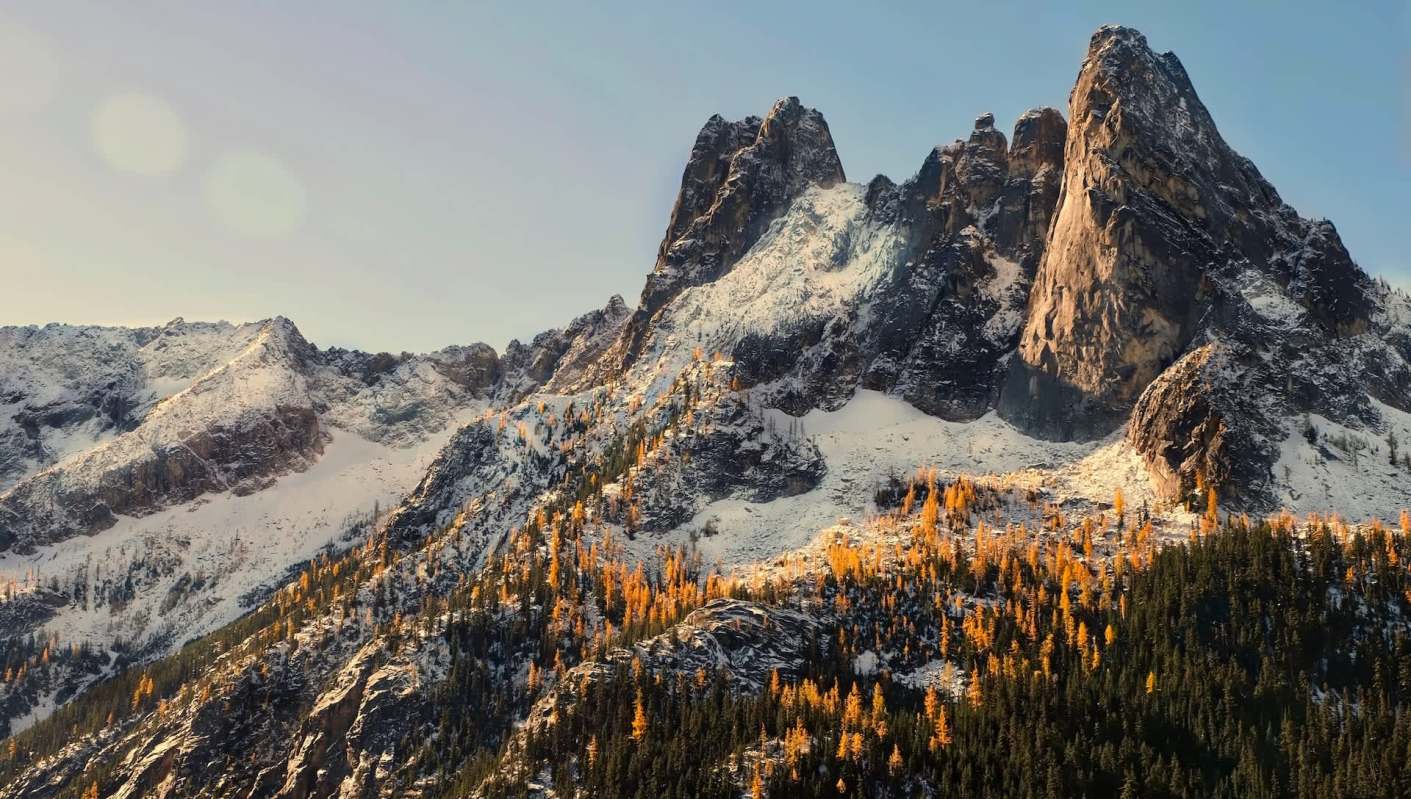
It may be winter, but across the Cascade Range in western North America, conditions are telling a different story.
What's happening?
Researchers said an ongoing "snow drought" is leaving mountains unusually bare, even after powerful storms brought rain but with too much heat, according to KIRO.
According to federal data and local researchers, November was the warmest on record in the Cascades, causing storms that would normally build snowpack to fall as rain instead, including a recent atmospheric river that dumped nearly 5 trillion gallons of rain across the Pacific Northwest. Despite recent powerful storms, snowpack levels remain far below normal.
"Lots of the Cascades in Oregon were less than 20% of average snowpack and a little bit better in Washington, but still much below average," Dan McEvoy, a researcher with the Western Regional Climate Center, told KIRO in mid-December.
Across Washington, most snow telemetry stations are reporting less than 50% of the median snow water equivalent, according to the National Integrated Drought Information System. The Upper Columbia, Yakima, and Puget Sound basins are all tracking well below seasonal norms.
Snow drought conditions are less severe in north-central and northeastern Washington, but experts say the broader pattern of warmer winters is reshaping how and when snow can form.
Why is a snow drought concerning?
Many small towns and communities in the Cascade Range rely on consistent and predictable snowpack each year to make a living through winter tourism and snow sports.
Artificial snow can be used on slopes, but it is a costly practice, costing thousands to millions annually. Rising global temperatures are costing the ski industry more than $250 million per year.
Beyond its more immediate economic benefits, the snowpack acts as a reservoir of freshwater that slowly delivers through spring and summer when precipitation falls. When rain replaces snow in the winter, it runs off mountains quickly, increasing flood risks and reducing water availability later in the year.
While individual warm spells or storms are normal, scientists say the growing frequency of snow droughts reflects a larger pattern of increasing global temperatures driven by human activity, which supercharges extreme weather events.
TCD Picks » Quince Spotlight
💡These best-sellers from Quince deliver affordable, sustainable luxury for all




|
How cold does it get where you live? Click your choice to see results and speak your mind. |
 Well below zero 🥶
 What's being done about these conditions?
In the short term, forecasters say conditions could still shift. McEvoy told KIRO that just a few cold, wet storms could rapidly replenish snowpack if temperatures cooperate. However, The Weather Channel reported that Oregon's Cascades still had lower-than-average snowpack at the outset of 2026, according to the National Resources Conservation Service.
For cities and communities, adaptation is key. Investing in water conversion programs, gathering snow at the end of the season for next season, and reducing air pollution through clean energy adoption are critical steps to slowing warming temperatures and restoring the snowpack.

Get TCD's free newsletters for easy tips to save more, waste less, and make smarter choices — and earn up to $5,000 toward clean upgrades in TCD's exclusive Rewards Club.
Cool Picks






