


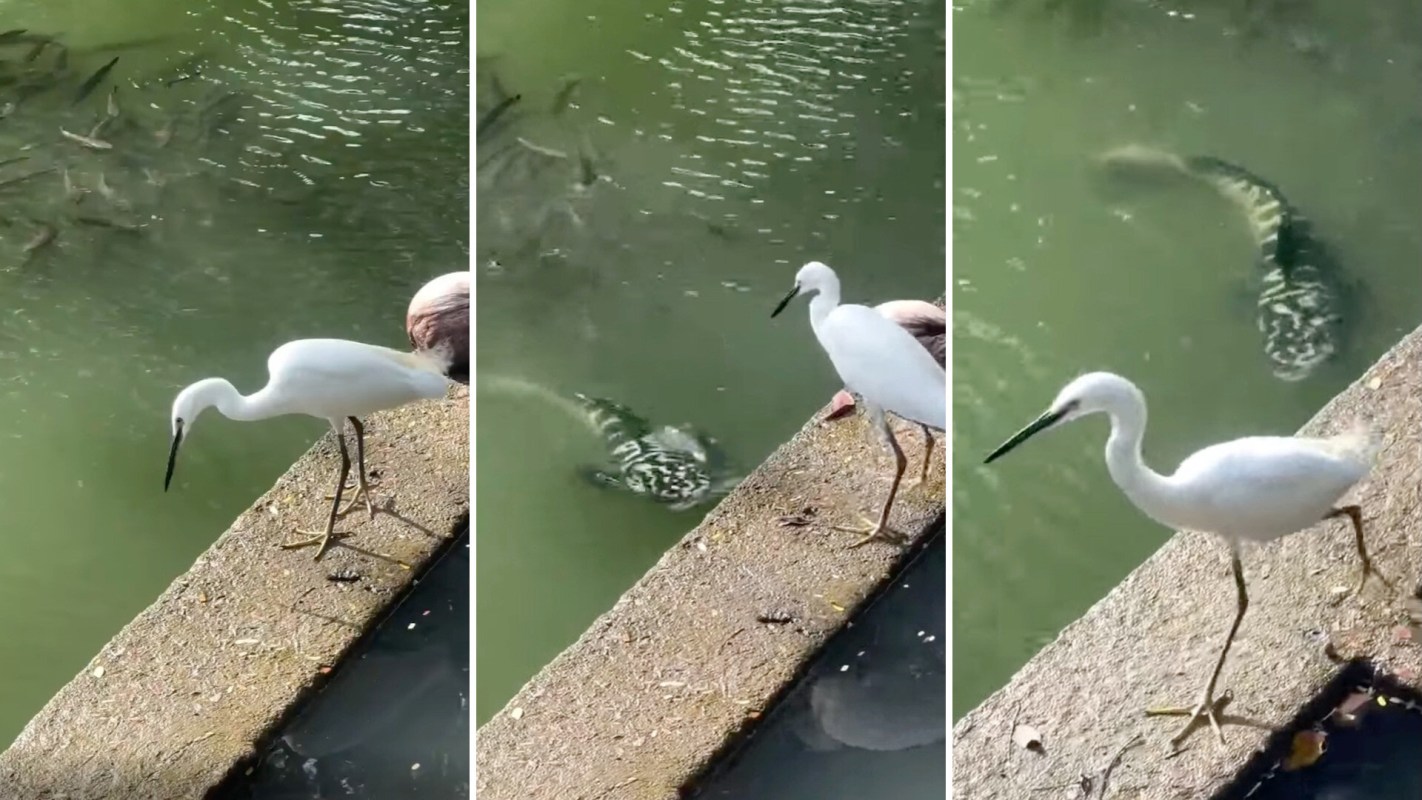
A widely shared Reddit clip spotlights one trait behind the invasive snakehead fish's success: it stays on guard around its young instead of leaving them alone.
What happened?
The video shows an adult snakehead swimming beside a dense cluster of fry as a bird is eyeing them up for lunch. The fish even approaches the bird and briefly emerges from the water to scare it off.
"Snakeheads are famously fiercely protective parents compared to most fish species," the post explained. "Both parents actively guard their orange/red school of 'fry' (babies) from birds and other predatory fish for several weeks until they are large enough to fend for themselves."
(Click here if the embedded video does not appear.)
With that kind of protection, the young have a better shot at making it than the offspring of species that reproduce and move on.
Commenters were fascinated, though some quickly connected the scene to the species' larger reputation.
TCD Picks » Quince Spotlight
💡These best-sellers from Quince deliver affordable, sustainable luxury for all




One commenter recalled, "I remembered someone released one of these in a local pond almost 20 years ago, and after it started eating ducks they had to drain the entire pond to catch it."
Why does it matter?
One of nature's most impressive parenting strategies can also become a serious ecological advantage when a species ends up in the wrong environment, as the snakehead often does.
When more offspring survive, populations can grow faster and become much harder to control. For a predator such as a snakehead, that can mean added pressure on native fish and other wildlife in ecosystems where it does not belong.
What can I do?
Never release aquarium pets, bait fish, or any nonnative species into local ponds, streams, or lakes.
If a species gains a foothold, removal can be expensive and disruptive.
If you fish, boat, or spend time around local waterways, learning which species are native to your area can also help you spot problems early. Reporting unusual fish sightings to local wildlife officials is more helpful than trying to handle the situation yourself.

Get TCD's free newsletters for easy tips, smart advice, and a chance to earn $5,000 toward home upgrades. To see more stories like this one, change your Google preferences here.







