


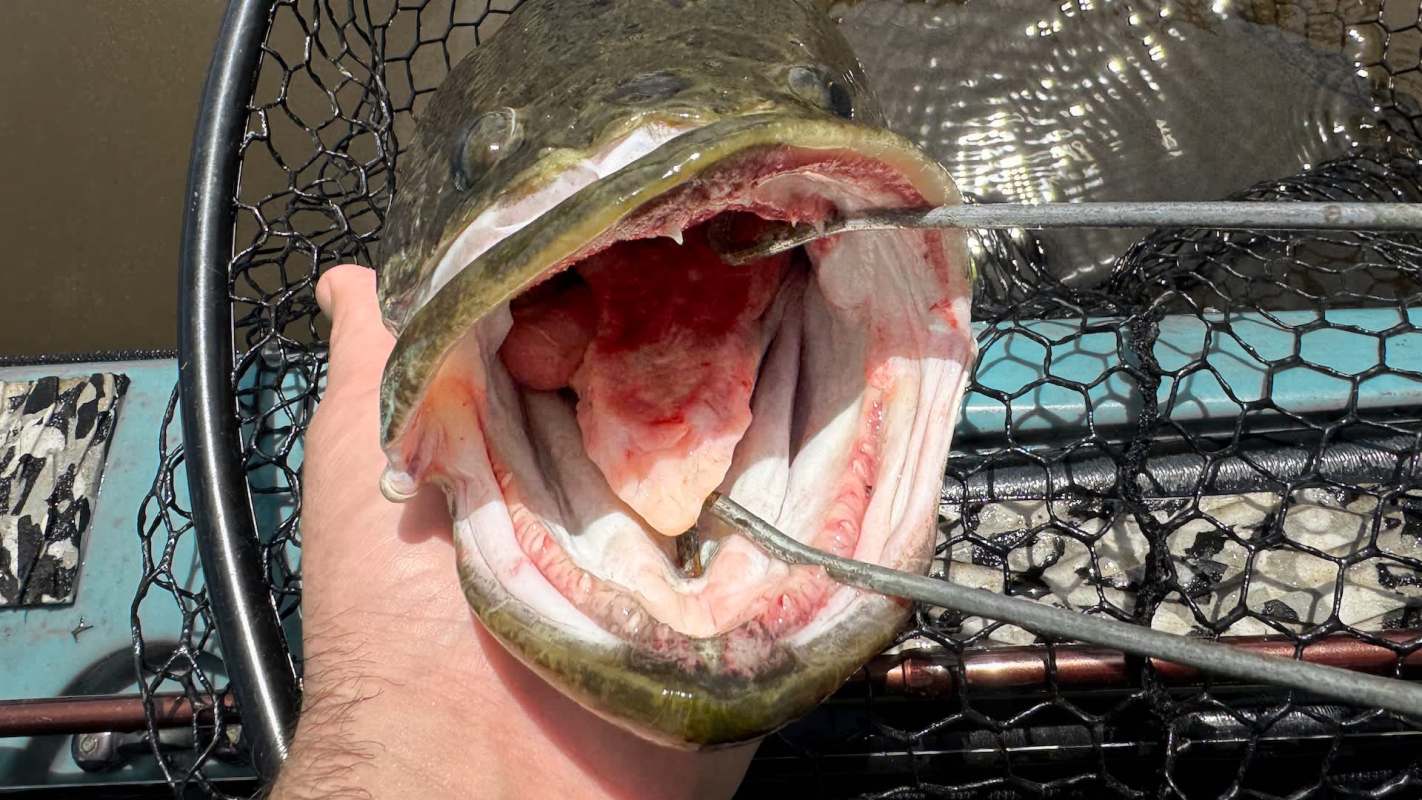
An invasive fish capable of walking on land was found in Suffolk County and is prompting New York officials to act quickly to protect one of Long Island's most recognizable freshwater ecosystems.
For the first time, northern snakehead fish have been confirmed on Long Island, raising concerns about what the air-breathing predator could mean for native fish populations and for the people who depend on those waters.
What happened?
The New York State Department of Environmental Conservation is expanding its response after northern snakeheads were found in Lily Pond at Lake Ronkonkoma, WABC reported. Officials said it is the first reported northern snakehead case on Long Island, according to ABC 7 New York.
Native to Asia, the fish is known for aggressive feeding habits and the unusual ability to survive out of water long enough to travel short distances over land. That means it may be able to spread beyond a single pond more easily than many other fish species.
State crews have been electrofishing in the Suffolk County swamp area as part of an effort to locate the fish. Snakehead enthusiast Vinny Conwell found three in Lily Pond this week, helping prompt the state response.
DEC officials said the species can resemble native fish, making identification difficult. But once established, northern snakeheads can become a serious problem in waterways where they have few or no natural predators.
TCD Picks » Quince Spotlight
💡These best-sellers from Quince deliver affordable, sustainable luxury for all




Why does it matter?
Lake Ronkonkoma is Long Island's biggest freshwater lake, and officials worry snakeheads could disrupt waters that are home to bass, perch, and other fish. Ecological disruption can affect recreation, local fishing, and the health of surrounding habitats.
Healthy lakes and ponds support outdoor access, local identity, and the natural spaces people use to fish, walk, and spend time with family. When invasive species gain a foothold, public resources often have to go toward containment and restoration.
The discovery also poses another challenge for conservation efforts focused on building healthier, more resilient ecosystems. Progress toward cleaner, more balanced waterways can slow when agencies have to redirect time and money to fighting preventable biological invasions instead of strengthening those systems.
As DEC official Heidi O'Riordan explained, the species can disrupt the natural balance because it is not controlled the way native fish are.
What's being done?
The DEC is already responding by surveying Lily Pond and expanding electrofishing operations into nearby waterways. The search is reportedly a wide one because of the fish's ability to breathe air and cross short stretches of land, potentially allowing it to reach separate bodies of water.
Early detection gives the state a better chance to contain the species before it becomes widespread in Lake Ronkonkoma and beyond.
"They're a very cool fish. I definitely agree with that. Other states deal with it in different ways, but in New York, we put a lot of effort into preserving our water, so this is not something we want here," O'Riordan said. "It doesn't have a predator; it's kept unbalanced. It will eat the native fish and really it'll upset the balance."

Get TCD's free newsletters for easy tips, smart advice, and a chance to earn $5,000 toward home upgrades. To see more stories like this one, change your Google preferences here.






