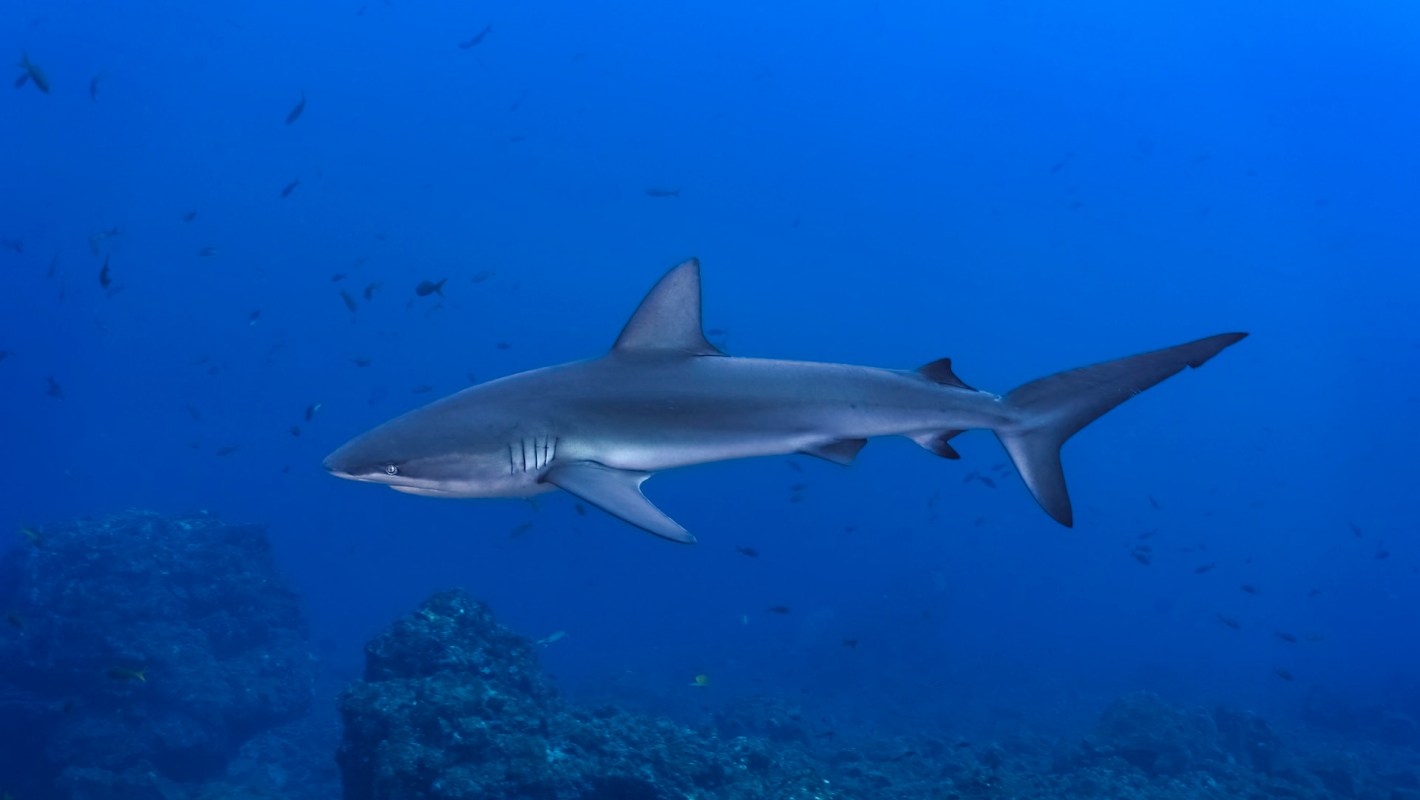
Marine biologist Mauricio Hoyos recently survived a shark attack in Costa Rica, according to a report from the BBC. He sustained deep wounds, but hopes to meet the shark again. His perspective on human-wildlife interactions in a changing ocean turned terror into understanding.
What's happening?
The BBC noted that a female Galapagos shark attacked Hoyos near Cocos Island.
He was on a research trip in September when he encountered the 10-foot shark. He attempted to attach an acoustic tag to the shark when it turned and lunged.
Hoyos managed to duck, but the shark's jaws clamped onto his cheek and head. The attack severed the air line of his diving apparatus and tore his diving mask.
"When it closed its jaw, I felt the pressure of the bite…" Hoyos told BBC Mundo. "It was like being hit by a car."
Bleeding and blinded by the bloody water, Hoyos had to think fast to reach the surface. He manually regulated his air supply to survive the ascent, per the report.
Perk up the winter blues with natural, hemp-derived gummies Camino's hemp-derived gummies naturally support balance and recovery without disrupting your routine, so you can enjoy reliable, consistent dosing without guesswork or habit-forming ingredients. Flavors like sparkling pear for social events and tropical-burst for recovery deliver a sophisticated, elevated taste experience — and orchard peach for balance offers everyday support for managing stress while staying clear-headed and elevated.
Learn more → |

Hoyos' wounds healed quicker than expected without infection.
Why is this shark attack important?
While shark attacks are rare, encounters call for understanding and respecting marine wildlife.
Human activity is overlapping with their habitats. Hoyos believed the shark's behavior was a normal reaction to a perceived threat. Even with 30 years of experience studying sharks, anything can happen.
Human population and tourism growth in marine environments can lead to frequent encounters.
TCD Picks » Upway Spotlight
💡Upway makes it easy to find discounts of up to 60% on premium e-bike brands





|
Do you think America does a good job of protecting its natural beauty? Click your choice to see results and speak your mind. |
 Definitely 👍
 Protecting marine ecosystems from habitat destruction and resource shortages, often climate-related, is vital. Disrupting natural behaviors or stressing marine life increases unpredictable interactions.
Safeguarding oceans can limit dangerous human-wildlife encounters. It also promotes greater biodiversity and thriving natural ecosystems that support communities.
What's being done about marine life encounters?
Despite the traumatic experience, Hoyos remained forward-thinking. He plans to return to Cocos Island in January, hoping to see the marked shark again.
"This is the proof that this female spared my life; I can't put it any other way," he stated about his scar. "And this will allow me to continue speaking well of sharks and advocating for their conservation in the future."
Scientists like Hoyos are crucial for understanding shark behavior. Their expertise can inform conservation strategies and ensure the balance of ocean ecosystems.
Individuals can support marine conservation efforts. Responsible wildlife viewing and reducing one's carbon footprint are all important actions. And fostering a future of mutual coexistence will help humans and marine life thrive together.

Get TCD's free newsletters for easy tips to save more, waste less, and make smarter choices — and earn up to $5,000 toward clean upgrades in TCD's exclusive Rewards Club.
Cool Picks