


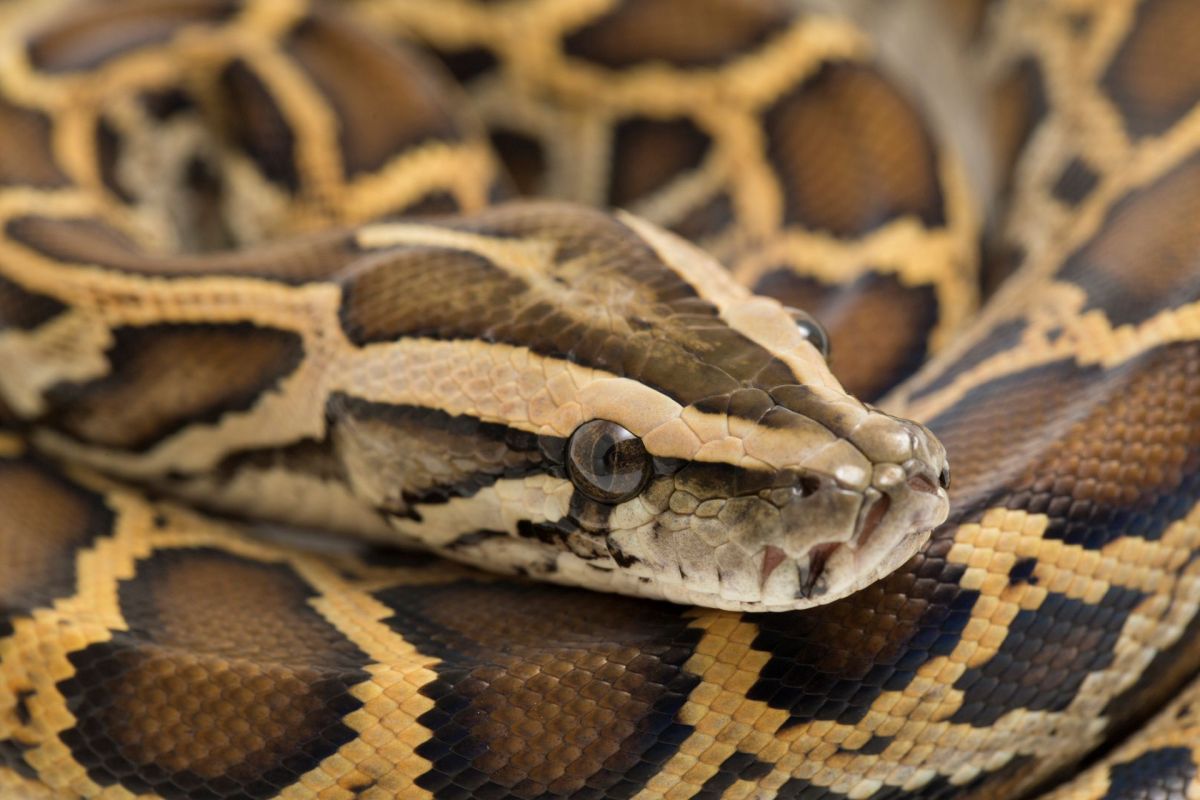
A Florida deputy sheriff who spent years tracking invasive Burmese pythons through the Everglades is turning that experience into something more hopeful. He is releasing a book that gives readers a firsthand look at one of Florida's most important conservation battles.
Bob Bramblet, who now serves as a deputy sheriff with the Lee County Sheriff's Office, previously hunted pythons for the South Florida Water Management District's Python Elimination Program, according to Florida Weekly.
After retiring from that work, he wrote "Where the Python Sleeps," a book inspired by his time in the wetlands and the lessons he took from it.
The book is more than a story for outdoor enthusiasts. It also highlights the painstaking work being done to protect one of America's most important ecosystems — and why that work matters for wildlife, water, and the communities connected to the Everglades.
Bramblet said his interest in python hunting began years ago with his son, who joined the contractor team early on. The two spent years in the field, building a deep familiarity with the landscape while helping remove one of the region's most destructive invasive species.
That work carries real ecological stakes.
TCD Picks » Quince Spotlight
💡These best-sellers from Quince deliver affordable, sustainable luxury for all




Burmese pythons became established in South Florida after entering the region through the pet trade, and they have caused severe damage to native animal populations since the 1970s. Once owners could no longer care for the snakes, many were released into the wild, where the Everglades offered ideal habitat.
According to Bramblet, the change in wildlife was impossible to miss.
He recalled a time when marsh rabbits were common along the road to Everglades City, only to later disappear almost entirely as python numbers increased.
"I think they had a 70% [mortality] rate due just to the pythons. The pythons were just eating them and everything else, all the other small animals and even some large animals," Bramblet told Florida Weekly.
Losses like that ripple through the food web. When invasive predators wipe out native prey, natural predators lose a food source, and the ecosystem becomes less resilient overall.
That is why programs like this one matter. According to Florida Weekly, Bramblet said his team removed more than 10,000 pythons overall, not counting extra captures during challenges and other events.
Another retired python hunter, Anne Gorden-Vega, said that in the early days of Florida's contractor programs, it was common to catch seven or eight pythons in a single night. As more contractors joined the effort and public involvement increased, those nightly totals dropped.
And for anyone who imagines python hunting is easy, Bramblet said it takes patience and skill.
"After the first time you see one, you'll start seeing them, but you'll also go nights [without seeing them.] We've gone many nights in a row where we've seen nothing," he said.

Get TCD's free newsletters for easy tips, smart advice, and a chance to earn $5,000 toward home upgrades. To see more stories like this one, change your Google preferences here.







