


A discovery at a Michigan fish hatchery has raised alarms about the integrity of the state's aquatic ecosystems.
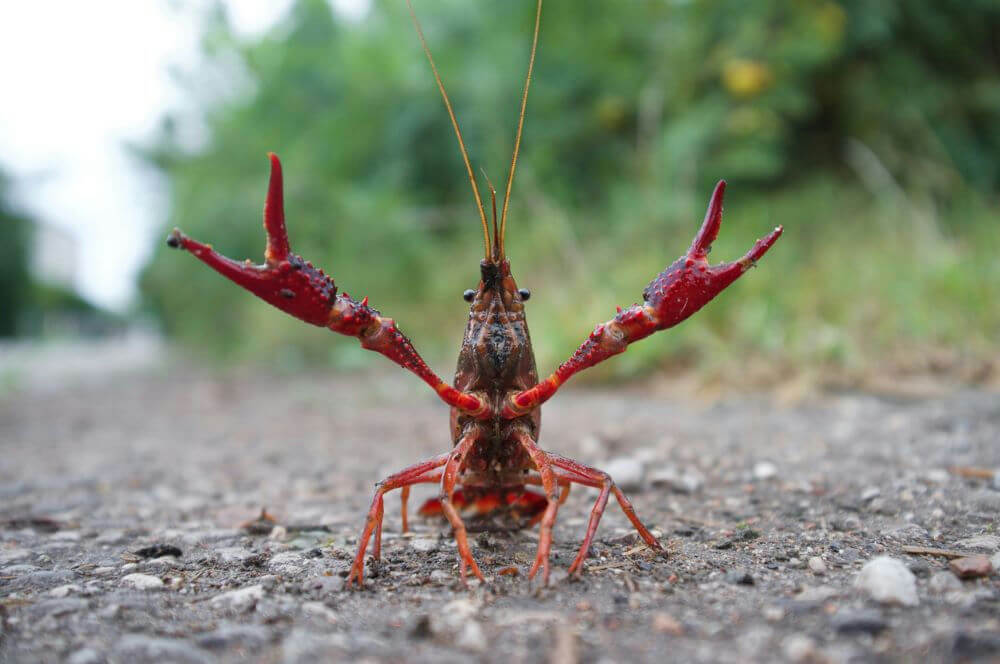
The red swamp crayfish, an invasive species that poses a serious threat to freshwater ecosystems, was found in an outdoor rearing pond at the Wolf Lake State Fish Hatchery, prompting containment efforts by the Department of Natural Resources, as the Lansing State Journal reported.
What's happening?
The crayfish was found after the pond was drained post-stocking, prompting an immediate containment response.
This marks the first known infestation inside a state hatchery. The source remains uncertain, but possible causes include bait contamination, pet releases, and nearby populations. Since then, DNR staff have set 165 traps across all 11 outdoor ponds and are considering environmental DNA testing to trace the spread.
"This is exactly the kind of situation we work hard to prevent," said Joe Mickevich, DNR southern hatcheries manager.
Red swamp crayfish, banned in Michigan since 2014, have been found in at least six counties and pose a serious threat to native ecosystems because of their rapid reproduction, ability to outcompete native species, and destructive burrowing.
Why is the spread of invasive species important?
When invasive species take hold, they disrupt the balance of ecosystems that communities depend on for clean water, food security, and recreation.
Invasive species often outcompete native species, damage shorelines, and reduce water quality, threatening local fisheries and increasing the risk of infrastructure damage.
Protecting native species isn't just about nature; it's about maintaining resilient systems that support public health and the economy. Each new infestation sets back efforts to build a cleaner, safer future in which natural resources are preserved, food systems are stable, and communities are protected from avoidable environmental risks.
What's being done about invasive species?
In response to the Wolf Lake hatchery discovery, the DNR took swift action, deploying traps, exploring eDNA testing to trace the crayfish's spread, and working with out-of-state suppliers to tighten quality controls on bait and forage fish.
TCD Picks » Quince Spotlight
💡These best-sellers from Quince deliver affordable, sustainable luxury for all




|
Do you think America does a good job of protecting its natural beauty? Click your choice to see results and speak your mind. |
 Definitely 👍
 At the policy level, Michigan banned red swamp crayfish in 2014 and continues public education efforts through its Invasive Species Program.
Individuals can play a meaningful role in the fight against invasive species. Simple but powerful actions include never releasing pets or bait into the wild, reporting sightings of nonnative species, and choosing native plants for landscaping and gardens.
Taken together, these efforts help protect ecosystems and cut off key pathways that allow invasive species to spread.

Join our free newsletter for good news and useful tips, and don't miss this cool list of easy ways to help yourself while helping the planet.
Cool Picks




