


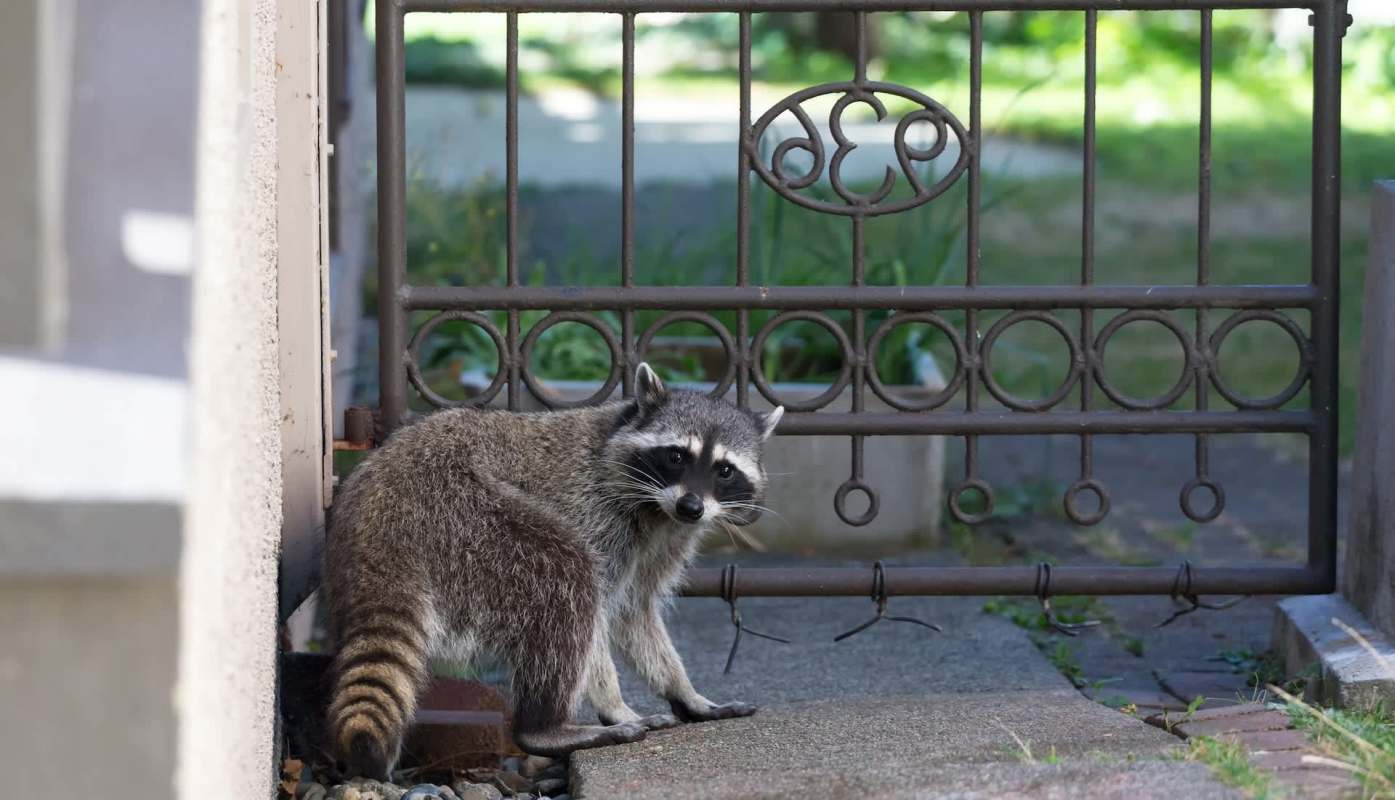
A Texas resident came across an unusual sight after work: a tense raccoon rescue playing out right in the neighborhood.
The resident, who goes by Dco (@helicrobin) on TikTok, filmed wildlife rehabilitators as they worked to help the animal in a quiet part of West Texas.
What happened?
In the post, the resident of Amarillo, Texas, showed firsthand footage of Wild West Animal Rehabilitation handling what the creator called "raccoon rescue duty" in the neighborhood.
"Not exactly what I expected to see after work in my quiet neighborhood but around here you never know," Dco wrote of the scene.
Getting the raccoon secured was no easy task. The rehabilitator spends over a minute trying to get the reluctant animal in the crate. Even though they captured it in a net, the raccoon put up a real fight.
"Everybody made it out safe, and the little bandit got a second chance," Dco concluded. That should hearten viewers who were a little concerned watching the feisty encounter.
TCD Picks » Quince Spotlight
💡These best-sellers from Quince deliver affordable, sustainable luxury for all




"My anxiety watching this," one wrote.
Another complimented the raccoon as "a fighter."
Why does it matter?
The saga showed that even in unexpected places, wild animals are showing up. This is natural as humans encroach on wildlife habitats with more development.
"I've been in and around the panhandle of Texas for 35 years and now that I think of it I don't think I have ever seen a raccoon," a user wrote.
Dco agreed with that sentiment. Thankfully, there are pros for these sorts of situations.
Wildlife rehabilitation groups can play an important role when animals end up in risky situations. A rescue that ends safely for both the animal and the people nearby is the best-case scenario, especially with wild animals that may be scared, injured, or defensive.
Protecting animals does not always look like sweeping national policy or major conservation campaigns. Sometimes it takes the form of a small, high-stress neighborhood moment involving trained responders, a concerned resident, and one wild animal that needs help.
What can I do?
Do not intervene on your own when a wild animal appears trapped, injured, or in distress.
Wildlife can react unpredictably, and even well-meaning attempts to help can make a situation more dangerous for both the animal and the person.
Instead, contacting a local wildlife rehabilitator, animal control department, or rescue organization is often the safest path. Groups like the one featured in the video bring experience that neighbors usually do not have, and that expertise can make the difference between a chaotic encounter and a successful rescue.
Supporting local environmental and animal-focused organizations can strengthen the safety net for wildlife when these situations happen.

Get TCD's free newsletters for easy tips, smart advice, and a chance to earn $5,000 toward home upgrades. To see more stories like this one, change your Google preferences here.







