


Sometimes the smallest rescue stories offer the clearest glimpse of how wildlife rehabilitation really works.
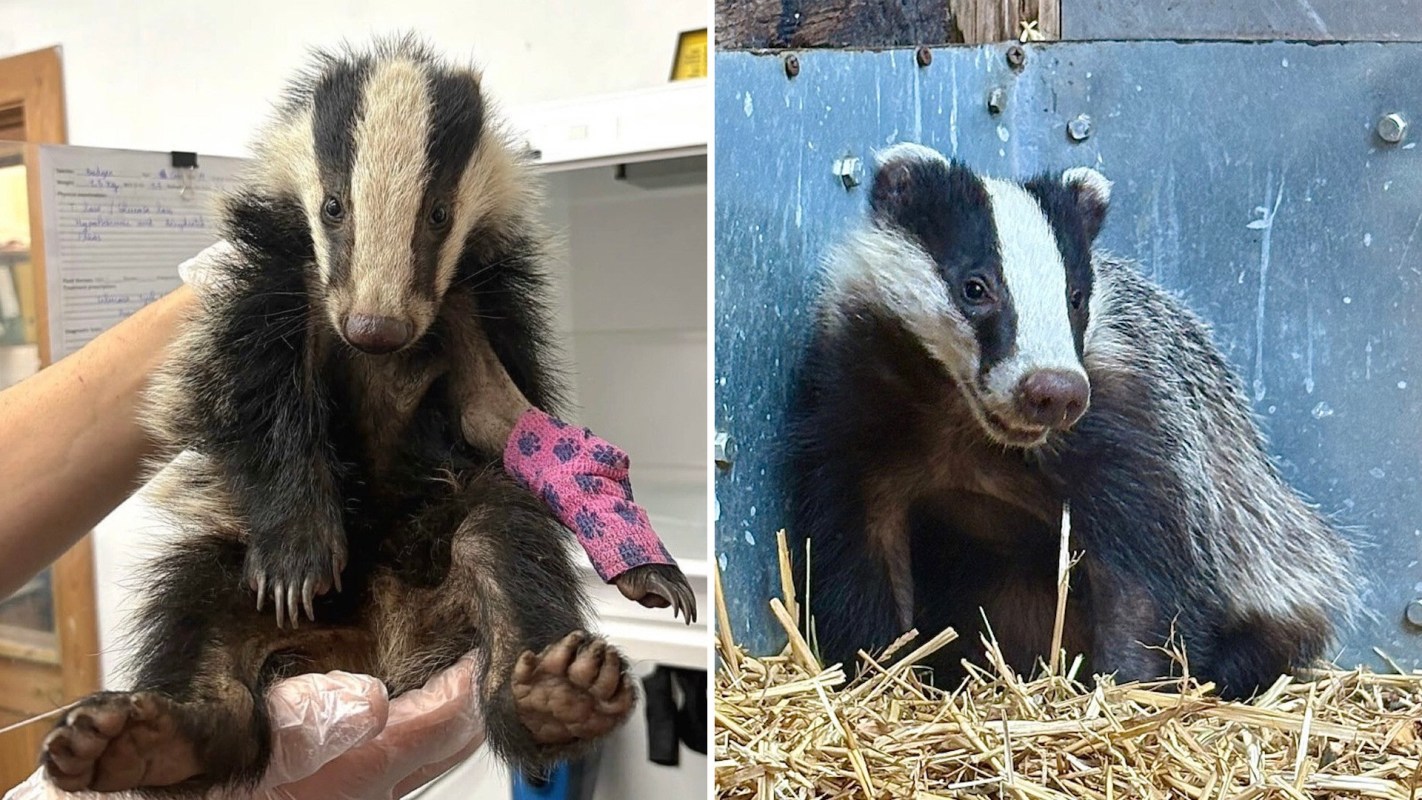
A July 29 post from British rescue center Wildlife Aid illustrated that point with photos of Sian and Jasper, two very small badgers whose bond appears to have helped Sian grow more confident.
What happened?
The Wildlife Aid Foundation (@wildlifeaid) shared an update on Instagram about Sian and Jasper, described as its "two smallest badger residents."
Jasper initially went in with the larger badger group at the rescue. Sian, by contrast, was not introduced because rescuers considered her too small for that step.
Rescuers then adjusted the plan. "When it became clear Sian wasn't quite ready, Jasper was paired with her instead," the organization wrote.
That switch worked out well: "Before long the two became inseparable."
TCD Picks » Quince Spotlight
💡These best-sellers from Quince deliver affordable, sustainable luxury for all




Why does it matter?
Young animals of the same species can still need very different care depending on their size, confidence, and development.
For a social species such as badgers, those differences can shape how and when an animal is introduced to others. While joining a larger group may be the eventual goal, an individual animal may first need a gentler transition. In Sian's case, that appears to have helped.
Rehabilitation is rarely one-size-fits-all. Rescue centers often have to make judgment calls based on behavior, strength, and readiness rather than age alone.
Successful rescue can depend as much on patience, observation, and relationships between animals as on direct human intervention.
What's being done?
Wildlife Aid's update suggests the center is taking a tailored approach with its badgers, including close monitoring and flexible social groupings instead of placing every rescued animal in the same setup.
The organization also referenced its badger livestream, which helps supporters follow the animals' progress and better understand the work involved in caring for wild species.
If someone encounters an apparently orphaned or injured animal, the safest move is usually to contact a licensed wildlife rescue or rehabilitator for guidance rather than trying to raise or relocate it alone.

Get TCD's free newsletters for easy tips, smart advice, and a chance to earn $5,000 toward home upgrades. To see more stories like this one, change your Google preferences here.







