


Glaciers are melting at unprecedented rates thanks to rising atmospheric temperatures.
Measurements across the Pyrenees Mountains in Spain suggest extreme — if not irreversible — damage.
What's happening?
The Cryosphere Research Group in the Pyrenees published glacier data gathered over the 2024 to 2025 hydrological year, indicating an average loss of over a meter in glacial thickness.
According to In Spain News, the period ranks among the worst ever recorded in the Pyrenees, with warm summers and poor snowfall.
Aneto, the highest peak of the Pyrenees, has perhaps been transformed most significantly, now occupying less than 30 hectares — down from over 135 hectares in 1981.
The glacier itself has split into three parts and has been reclassified as stagnant ice, or "helero," rather than an actual glacier. At its current rate of melting and glacial decay, Aneto might not survive the coming centuries.
Perk up the winter blues with natural, hemp-derived gummies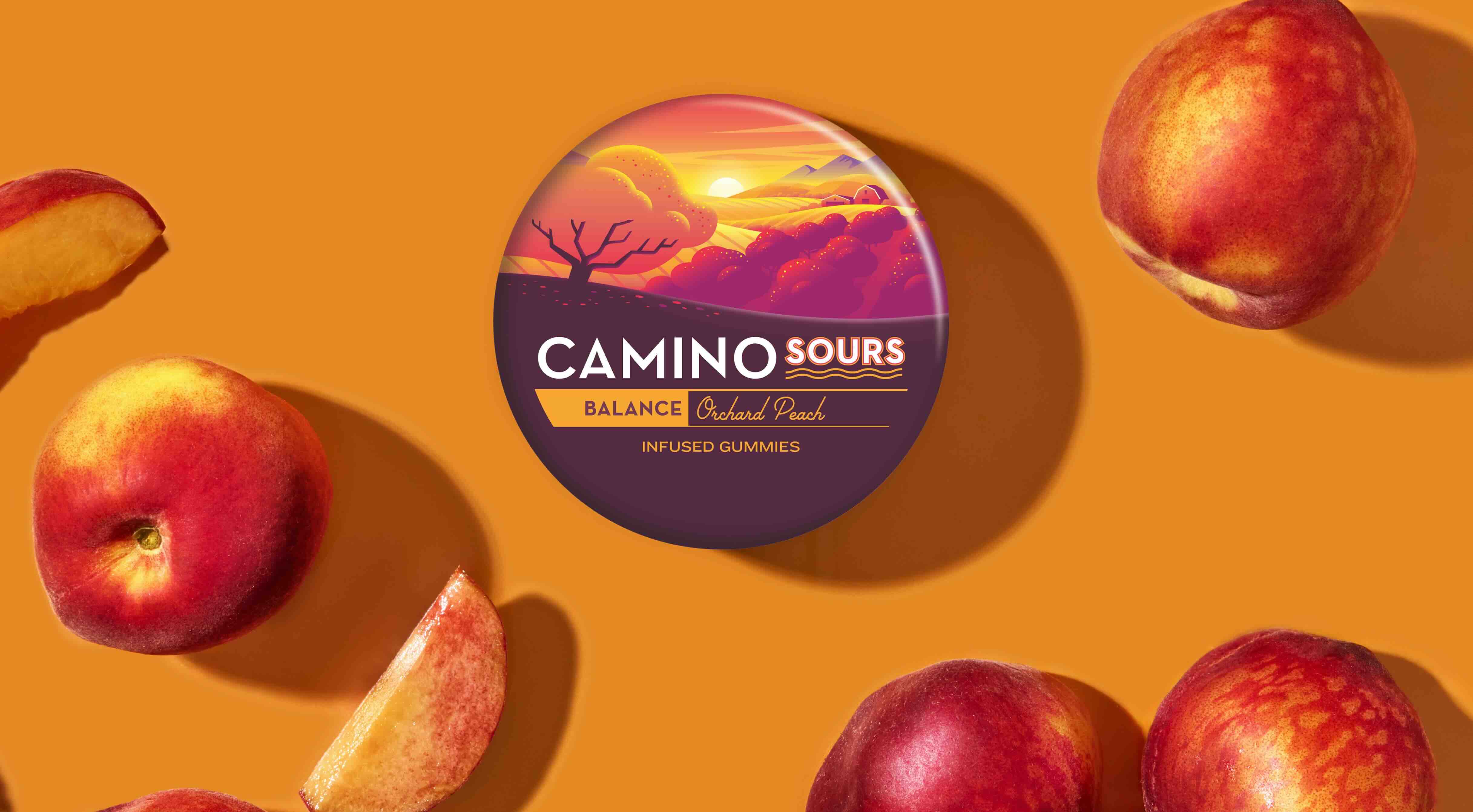 Camino's hemp-derived gummies naturally support balance and recovery without disrupting your routine, so you can enjoy reliable, consistent dosing without guesswork or habit-forming ingredients. Flavors like sparkling pear for social events and tropical-burst for recovery deliver a sophisticated, elevated taste experience — and orchard peach for balance offers everyday support for managing stress while staying clear-headed and elevated.
Learn more → |

As In Spain News observed, only 14 glaciers remain in the Pyrenees, with the region having lost almost 40 in the new millennium alone.
"Most are in advanced decline," reported Lorraine Williamson of In Spain News. "As they fragment, they lose the ability to behave as cohesive bodies of ice, speeding up melt and exposing new surfaces to the sun."
Why is glacial melt concerning?
Melting ice sheets contribute significantly to rising sea levels, fueling coastal erosion and supercharging extreme weather events such as floods and hurricanes.
It's not just coastal communities at risk, either; when glaciers thaw out, they have the potential to release long-frozen microbes that can jeopardize our health by making their way into our drinking water through rivers and runoff streams.
TCD Picks » Upway Spotlight
💡Upway makes it easy to find discounts of up to 60% on premium e-bike brands





|
How worried are you about rising ocean levels? Click your choice to see results and speak your mind. |
 Very 😰
 Glacial melt is only one symptom of human-driven global heating, but it also causes massive reverberations.
From marine and polar ecosystems that depend on sea ice to human communities and infrastructure affected by rising waters, the damage is impossible to overlook.
What's being done to protect our glaciers?
As glacial changes become harder and harder to repair under our warming climate, researchers are working to develop better ice-monitoring technologies and find ways to mitigate the damage.
Meanwhile, city planners and community leaders are taking steps to safeguard coastal infrastructure as water levels advance.
For your part, you can cut down your personal planet-heating pollution footprint with simple day-to-day changes, like upgrading your vehicle to an EV or voting for climate-conscious political candidates.

Get TCD's free newsletters for easy tips to save more, waste less, and make smarter choices — and earn up to $5,000 toward clean upgrades in TCD's exclusive Rewards Club.
Cool Picks






